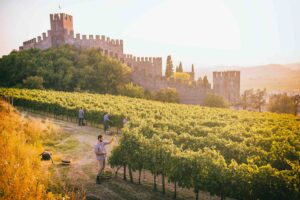






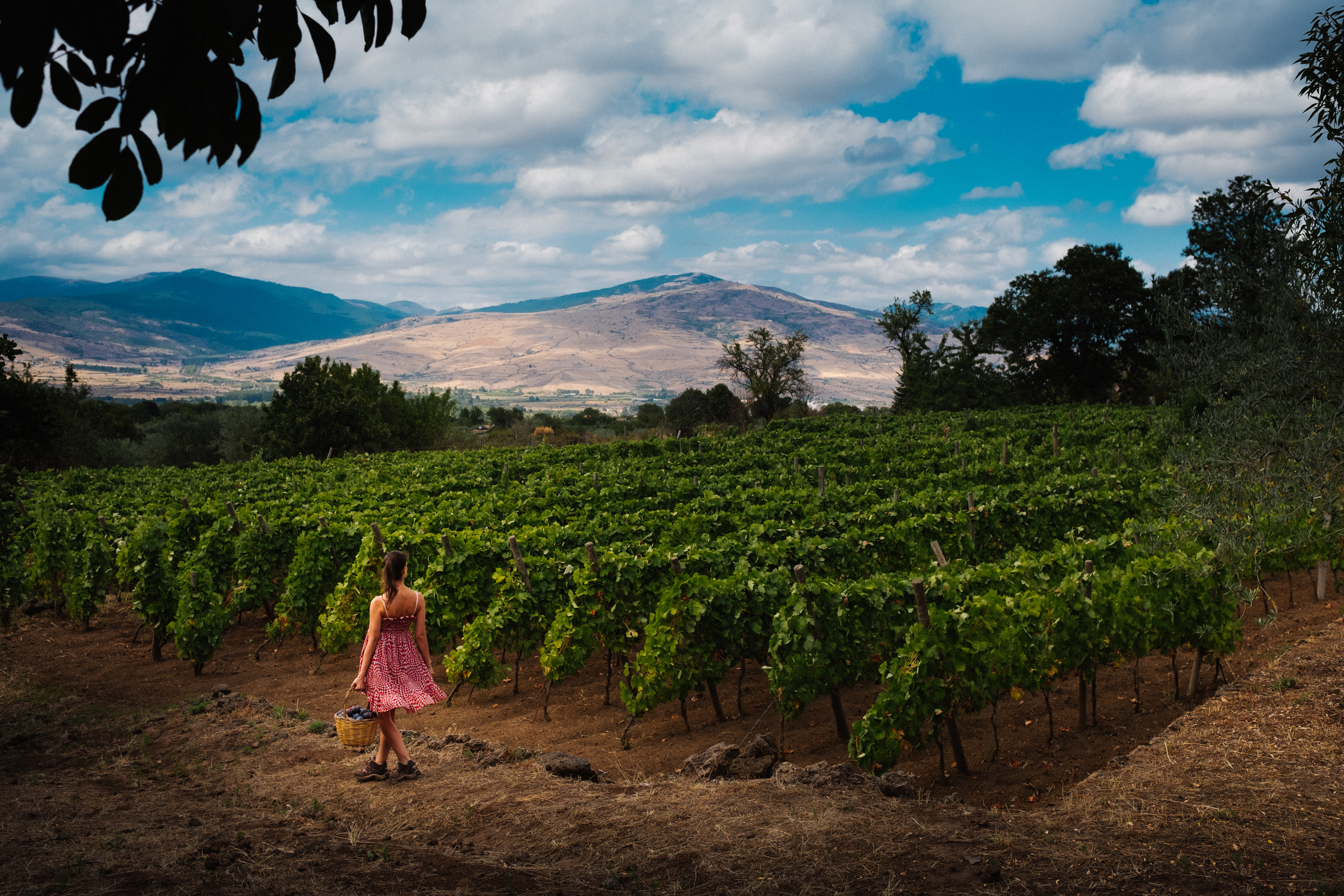
That wine is a story of the landscape is an established fact. It is no coincidence that from north to south of Italy, there are production areas “blessed” with Unesco recognition, from the Vineyard Landscapes of Piedmont, Langhe-Roero and Monferrato, to the Hills of Conegliano Valdobbiadene Prosecco Superiore DOCG, from the Alberello vines of Pantelleria to the dry-stone walls of Valtellina, Valpolicella, and not only. These territories, thanks to their beauty, have seen growing figures in wine tourism, demonstrating that wine can be a driving force for enhancing the landscape. And if, as stated in the panel organized at Slow Wine Fair No. 5, which closes today at BolognaFiere, “Il vino come racconto del paesaggio: le opportunità del turismo lento” - “Wine as a story of the landscape: the opportunities of slow tourism”, viticulture can serve as a powerful example of good practices thanks to the ingenuity and foresight of the people who have preserved nature treasures, managing and maintaining a priceless heritage from one generation to the next, there is no shortage of challenges and limits in a market and a society which are changing very rapidly. Combining the opportunities of slow tourism with the “responsibilities” of a Unesco territory is something to handle with care: “it is essential to prioritize aspects linked to safeguarding intangible heritage - explains Leandro Ventura, director of the Central Institute for Intangible Heritage (Ministry of Culture), to WineNews - because if we work properly on enhancement and preservation, we can both raise awareness of the distinctive elements of a territory Intangible Heritage and guarantee its conservation, therefore ensuring intergenerational transmission, which is a fundamental component of Unesco practices”. During the panel, Ventura explained what it means to consider wine as Intangible Heritage and therefore “a product which encompasses many elements: artisanal knowledge, the characteristics of the landscape, the bonds within communities, recreational elements, something which cuts across the various aspects of community life”.
Fabio Bonanno, Head of Agriculture and Food Policy at the Department of Agriculture of Roma Capitale, recalled what is happening in the Eternal City, the largest agricultural municipality in Europe and one of the world's most visited destinations. Since the creation of the Roma DOC denomination in 2011, the city has continued to invest in wine-related projects: “Rome must remember what it was and what it is. Out of 128,000 hectares of surface area, 40,000-50,000 hectares are agricultural land. The city must enhance the two-thirds which are not built up, or it will not survive. The project to restore urban vineyards continues. Rome was once entirely covered in vineyards, its street names refer to wine. Recreating vineyards in the city is also a way of remembering”. But, despite tradition and the work done over the years, “it is difficult to find Roman wine labels on restaurant wine lists in the city. We are considering tax incentives to encourage their presence”.
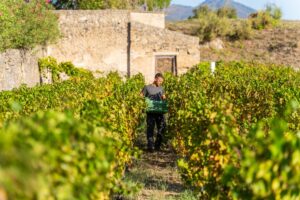
The discussion then focused on some of the wine regions that have seen substantial growth in wine tourism. Starting with Sicily and, in particular, Mount Etna, with its various slopes and more than 130 Contrade, ancient century-old vineyards, and new plantings which have restored terraces and traditional training systems, all “under the gaze” of Europe largest active volcano, a natural magnet for wine tourism. Graziano Nicosia, vigneron of Tenute Nicosia and vicepresident of the Etna DOC Consortium, explained that “on Etna, there is a type of tourism linked to the volcano. In the past thirty years, there has been a definite boom, and when we talk about slow tourism, I think of the vineyards. Mountain viticulture, despite a gap in past decades, has been passed down from generation to generation; human knowledge spreads, and this is important. We have now de-seasonalized tourism, spreading it across twelve months through collaboration”. Thanks to initiatives and ideas. “For example - continues Nicosia - we created a mini-school to learn, in a fun way, how to prune vines between February and March. And we try to tell our story in the best way possible. Today, people are increasingly looking for experiences, the language has changed dramatically, and tastings are no longer so technical. The big problem is accessibility: people want to come, but challenges remain: a tourist can’t spend 100 euros each way on a private transfer from Catania”.
Claudia Crippa, wine producer in Lombardy with the agriturismo La Costa, explained how interest in viticulture, after a period of stop, “returned to the Lecco and Como territories at the end of the 20th century (of the last century, ed). We are 28 wineries, and we believe that wine alone is not enough. We benefit from proximity tourism, Milan is just 30 kilometers away, but we are also seeing interest from all over the world, which even small realities like ours, which preserve this territory, must learn to attract. It is a major challenge because, beyond the beauty of the Lake, there is a living landscape that must not be undervalued”.
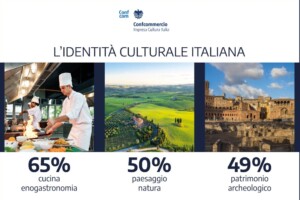
Also because, as Leandro Ventura recalled, referring to the recent recognition of Italian Coooking as Intangible Unesco Heritage, what matters is not “thinking in terms of economic gain, but in terms of preserving the cultural values that distinguish it”.
Copyright © 2000/2026
Contatti: info@winenews.it
Seguici anche su Twitter: @WineNewsIt
Seguici anche su Facebook: @winenewsit
Questo articolo è tratto dall'archivio di WineNews - Tutti i diritti riservati - Copyright © 2000/2026