


Sunday 20th of September 2026 - Last Update: 21:50






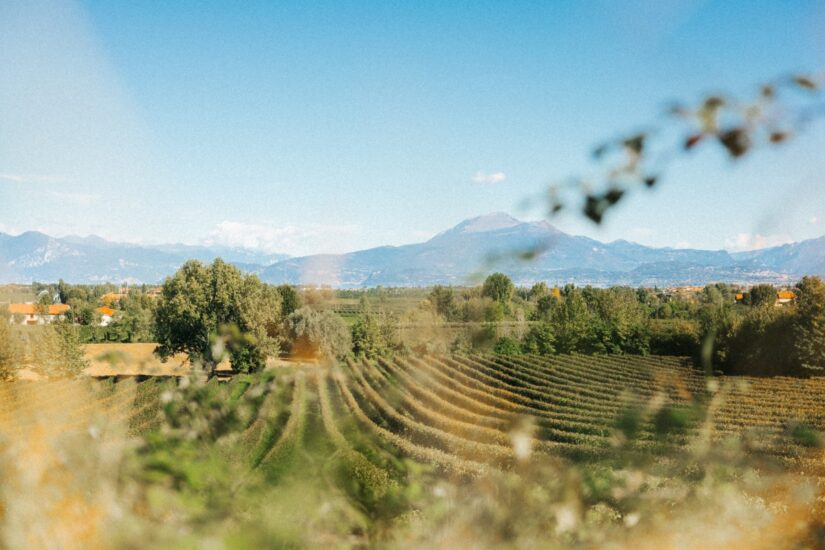
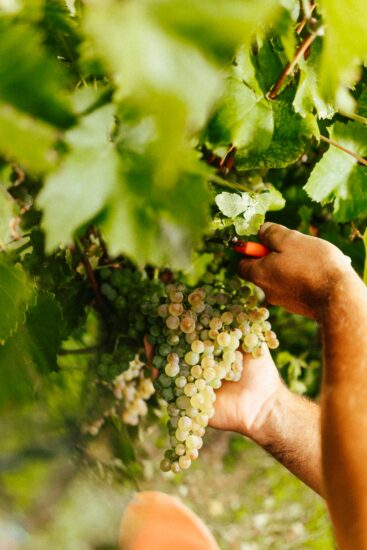
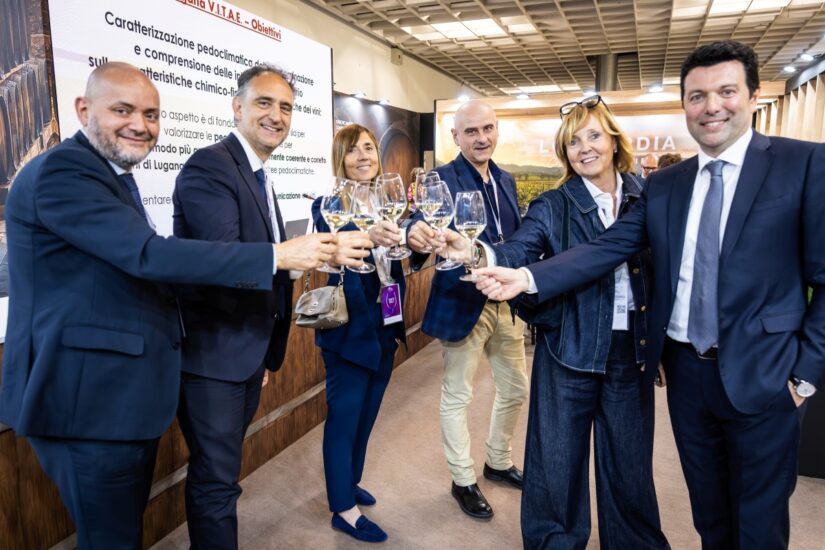
From metabolomic analyses aimed at identifying the varietal and fermentative compounds characteristic of Turbiana, the native grape of Lugana, to experimental micro- and meso-vinifications; from tastings conducted with scientific rigor to advanced studies on soil morphology through LiDAR surveys, all supported by investigations into biodiversity and the physical and structural quality of soils, using an integrated and multidisciplinary approach. The Lugana Doc Consortium has presented “Lugana Vitae” (an acronym for Vino, Influenza del Terreno e dell’AmbientE - Wine, Influence of Soil and Environment), a research project dedicated to the pedoclimatic characterization of the territory that underpins the identity of Lugana wines, namely Lake Garda, and arisen out of the awareness that the organoleptic characteristics of wines are the direct result of the interaction between grape variety, soil, and climate: the so-called pedoclimate.
A central theme for the denomination - recognized in 1967 and regulated by the Consortium since 1990, now covering 2,600 hectares with 214 producers and exporting over 60% of its production to 65 countries - addressed through a scientific and multidisciplinary approach aimed at providing a deeper and more structured understanding of the territory. The “Lugana Vitae” project will enable wineries to understand more precisely the origins of the characteristics of wines, guide production decisions, and strengthen increasingly effective and coherent communication aligned with the specific features of Lugana.
“With the “Vitae” project, the Lugana Consortium strengthens its commitment to protecting and promoting the denomination from a long-term perspective, complementing traditional valorization with an approach based on solid scientific foundations of territorial identity - explained Fabio Zenato, president of the Lugana Doc Consortium - multidisciplinary pedoclimatic analysis, supported by LiDAR surveys, together with the use of advanced technologies such as metabolomics, will allow for a systematic and in-depth exploration of the distinctive characteristics of Lugana. Collaboration with qualified research centers, including the Edmund Mach Foundation and the University of Verona, will provide the territory with a scientific “identity card” helping to reinforce the denomination positioning at both national and international levels and to competitively enhance the specific features of its terroir”.
The Consortium, as lead partner of the initiative, has involved a broad network of scientific and technical partners - including the Edmund Mach Foundation and the University of Verona - as well as Sata Studio Agronomico Benefit, in addition to several local wineries such as Ca’ Maiol, Cascina Maddalena, La Rifra, Le Morette, Perla del Garda, and Tenuta Roveglia, along with specialized institutions and consultants such as Ersaf Lombardy for pedological surveys.
“Projects like this demonstrate how decisive it is today to invest in scientific knowledge to strengthen the identity and competitiveness of our denominations - affirmed Alessandro Beduschi, regional minister for Agriculture of Lombardy - the ability to read the relationship between soil, climate, and grape variety with ever greater precision allows companies to make more informed choices and to authentically enhance what makes this territory unique. As the Lombardy Region, we believed in this path from the very beginning, supporting it because it represents a virtuous model: bringing together consortia, universities, and companies to transform research into tangible value. This is the direction we intend to continue pursuing”.
Copyright © 2000/2026
Contatti: info@winenews.it
Seguici anche su Twitter: @WineNewsIt
Seguici anche su Facebook: @winenewsit
Questo articolo è tratto dall'archivio di WineNews - Tutti i diritti riservati - Copyright © 2000/2026