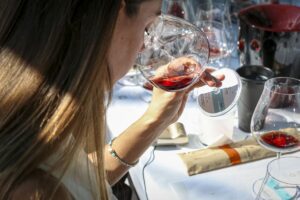




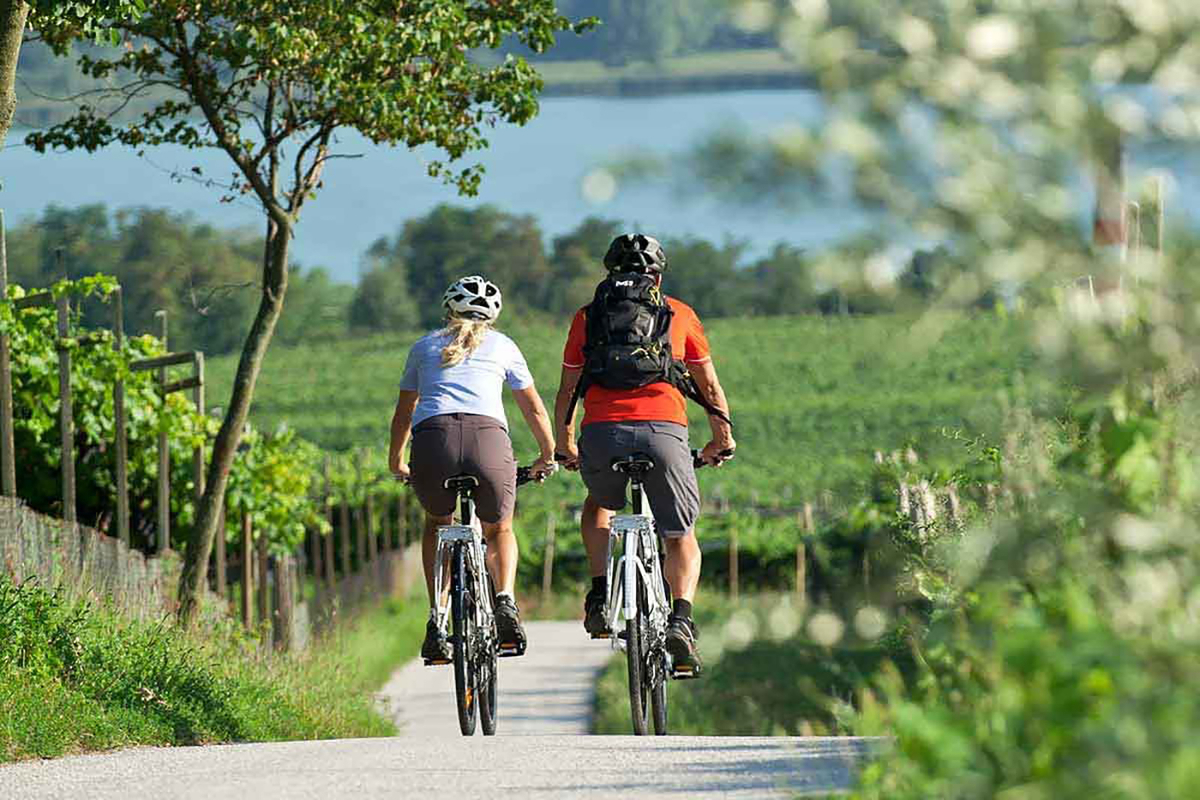
Wine tourism has by now become a strategic pillar for the growth of Italian wine companies. This has been confirmed with concrete data by Vinitaly Tourism, one of the most significant projects of Vinitaly 2026, which concluded yesterday in Verona. The initiative, a focus by Vinitaly and the Wine Tourism Hub, hosted conferences, experiential tastings, and daily networking moments, becoming an advanced observatory on the evolution of winery hospitality, direct-to-consumer sales, and the integration between wine and tourism.
The national survey, which involved 176 hospitality managers, reveals that the main challenge for 36.8% of wineries is attracting tourist flows, while a lack of financial resources weighs on 31.6% of respondents and the need for greater collaboration with local territories affects 27.6%. At a systemic level, fragmentation of the system (36.8%), infrastructure gaps (30.3%), and weak national marketing (25%) remain the main obstacles to development.
Dialogue with tourism intermediaries took place during B2B meetings between wineries and operators, highlighting key requirements demanded by tour operators, such as guides with fluent English (76%), declared group capacity (63%), time flexibility including weekends (54%), and dedicated commercial terms (41%). These expectations contrast with recurring critical issues, including slow responses, language barriers, insufficient price transparency, and the lack of online booking systems.
The figures from the 2026 report “Wine Tourism and Direct-to-Consumer Sales” by Wine Suite further reinforce this picture, a Crm and vertical digital marketing platform for the wine sector. The report indicates that in 2025 the average price per experience was 39.4 euros per person, with an average booking value of 136.6 euros and a Cagr (compound annual growth rate) of 11% over the past four years. Additionally, 43.3% of visitors come from abroad, while each winery offers an average of seven experiences and events per year.
In Italy, wine tourism involves around 15 million visitors and generates 3 billion euros in spending. In the more structured realities, visitor numbers grow by +16.8% annually, while post-visit direct sales increase by +21.4%, signaling a growing ability to turn the experience into economic value.
Contributions from Italian and international experts, ranging from insights into U.S. wine clubs to the management of food intolerances and the digitalization of processes, completed a vision focused on the professionalization of the sector.
Copyright © 2000/2026
Contatti: info@winenews.it
Seguici anche su Twitter: @WineNewsIt
Seguici anche su Facebook: @winenewsit
Questo articolo è tratto dall'archivio di WineNews - Tutti i diritti riservati - Copyright © 2000/2026