


Saturday 12th of September 2026 - Last Update: 11:47







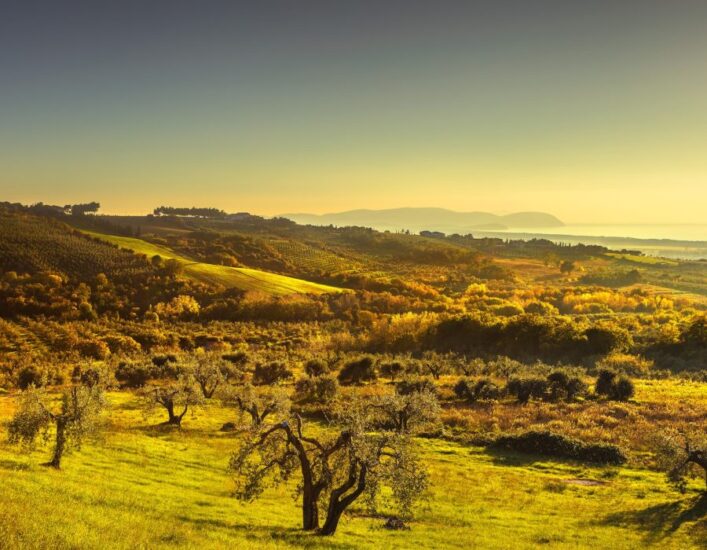
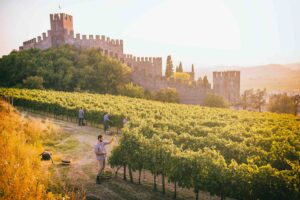
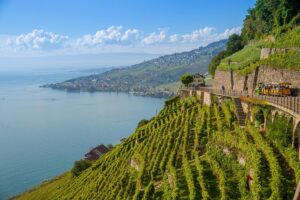
Renewable energy and landscape protection are a combination which doesn’t always seem easy to balance, and at times the wine sector also “raises its voice”. While not opposing new technologies and the energy transition, the wine industry asserts the importance of preserving the beauty of a landscape that has been shaped in part by viticulture, as well as safeguarding agricultural production. A case which has recently attracted attention is that of Suvereto, Tuscany. The Suvereto and Val di Cornia Wine Consortium has also expressed itself about the issue, expressing its “deep concern regarding the projects related to the production and management of electricity from renewable sources that are being proposed for the area. Such an extensive and widespread system, in the Consortium’s view, would have significant repercussions on the landscape, the agricultural use of the land, and the preservation of the territory identity. While fully supporting the principles of the energy transition toward renewable sources, the Consortium is therefore calling for stronger regional intervention aimed at managing the energy transition while respecting the characteristics of the local area”.
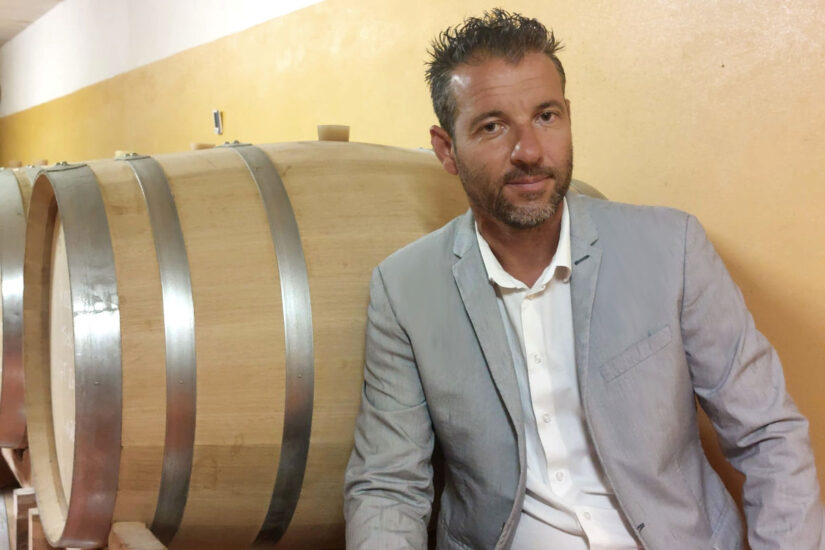
Daniele Petricci, president of the Suvereto and Val di Cornia Wine Consortium, stated that “the recent project to install a 100 Mw Bess (Battery Energy Storage System) in Suvereto risks being only the first in a series of scars on a territory that, over the last 40 years, has envisioned a future very different from an industrial one, a future based on protecting and enhancing its landscape and producing high-quality agricultural goods”.
Petricci added that “we don’t sell only wine; we sell a territory and its image. The same is true for the hundreds of tourism operators in the Val di Cornia. What is being threatened is an irreversible degradation of the landscape that would put at risk the economic sector on which our region depends”.
According to the Consortium, winegrowers are concerned not only about the production sites themselves which would take dozens of fertile hectares away from agricultural use in favor of agrivoltaic panels and wind turbines, but also about the infrastructure that would need to be developed throughout the Val di Cornia. Storage systems, underground power lines, easements, substations, and connection works would, taken together, form a network which would fundamentally transform both the landscape and the local economy”. Furthermore, the Consortium argues that “this process could move forward through expropriation procedures and would affect the entire area indiscriminately, significantly compromising agricultural productivity and, consequently, the economic stability of many family-run businesses, enterprises which form the backbone of the local socioeconomic fabric and provide steady employment for dozens of workers.
The Consortium has also appealed to the Tuscany Region, urging it to “take on a clear and recognizable coordinating role by establishing a regulatory framework capable of guiding the energy transition without shifting its effects, in a disorganized way, onto agricultural areas and local communities. The Consortium considers it essential that the Region assert its right to identify genuinely suitable areas, assess not only individual projects but also their cumulative impact, ensure transparent and participatory procedures, and place the protection of the landscape, agricultural vocation, quality production, and the tourism economy of these territories at the center of decision-making”. President Petricci emphasized that “ours is not a “No” to sustainability, a goal which our companies have been pursuing for years. What we ask is that the Region become the guiding force of a process based on dialogue and balance, taking into account the specific characteristics and needs of individual territories. This is essential to ensure that the energy transition does not turn into speculation”.
Copyright © 2000/2026
Contatti: info@winenews.it
Seguici anche su Twitter: @WineNewsIt
Seguici anche su Facebook: @winenewsit
Questo articolo è tratto dall'archivio di WineNews - Tutti i diritti riservati - Copyright © 2000/2026