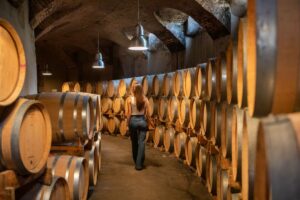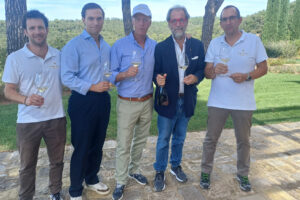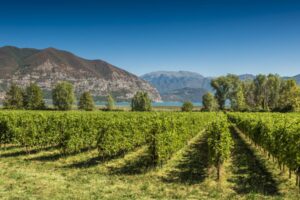







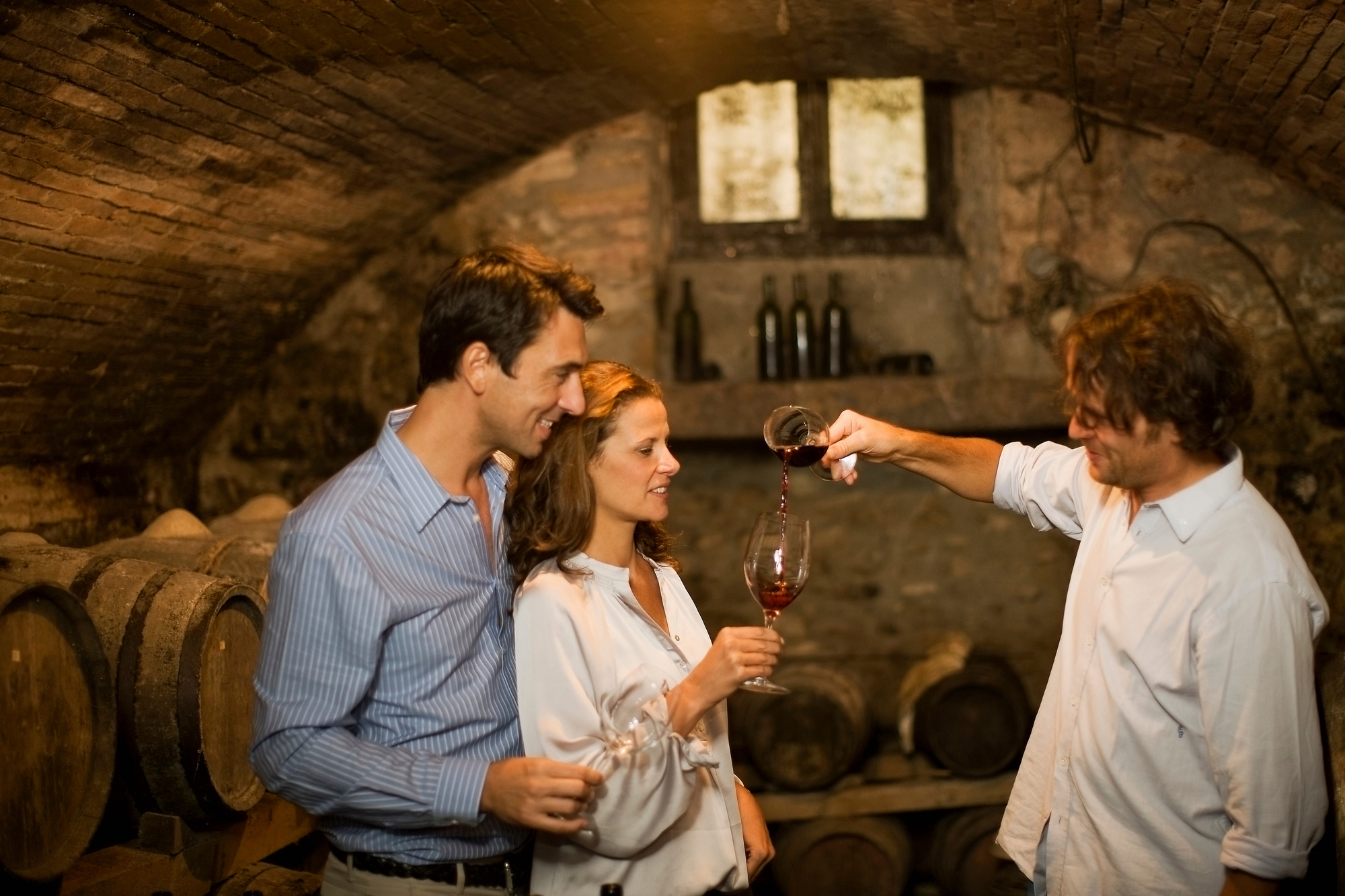
For an Italian wine sector struggling in both the domestic and export markets, direct experiences in wine regions and wineries are becoming increasingly more important. And now, further support has arrived for the ever more structured phenomenon of wine tourism, with the recent introduction of the Ministry of Agriculture Decree aimed specifically at promoting wine tourism. An important measure, which also assigns a decisive role to the Regions, was analyzed for WineNews by lawyer Marco Giuri, head of the Giuri law firm in Florence and one of Italy leading experts in wine law. In short, Giuri explains, “the new Decree represents a significant step forward because, for the first time, it formally incorporates wine tourism into the sector support measures for the wine industry. The opportunities are tangible: the promotion of wine-growing territories, winery and vineyard visits, events, trade fairs, exhibitions and other initiatives may receive funding covering up to 50% of eligible costs. However, attention must be paid to three key aspects: not all companies or associations qualify as direct beneficiaries; Regions may further restrict eligible beneficiaries and activities; and expenses may only be incurred after the application has been submitted”.
More specifically, the Decree “introduces support specifically targeted at activities that connect wine, vineyards, territories and tourism. Its objective is not to generically finance the tourism activities of individual wineries, but rather to support organized projects that use wine tourism as a tool to enhance awareness and reputation of Italy wine heritage”. In practical terms, eligible funding will cover “promotional and advertising activities that enhance the quality of wine products, traditions, food safety and environmental values”. According to the Giuri law firm, “the Decree explicitly refers to activities such as promotional advertising, recreational excursions in vineyards, winery visits, and presentations of vineyards, facilities, equipment and production methods. Events, trade fairs and exhibitions aimed at promoting and advertising wine tourism in wine-producing regions may also be funded”. The list of eligible measures may be further expanded by Agea, in agreement with the Regions.
“This opens up interesting opportunities for territorial projects that bring together wineries, vineyards, appellations, visits, events and wine tourism experiences, provided that the initiative complies with the conditions that will be concretely defined in the implementing measures”, comments Giuri. However, he also stresses that funding is not automatically available to every individual wine company. “Article 3 identifies specific categories of beneficiaries: professional organisations representing wine producers; producer organisations and their associations; interprofessional organisations; groups of producers managing PDOs and PGIs, including protection consortia authorised under Article 41 of Law No. 238/2016; producer organisations established as consortia, consortium companies or cooperatives with proven experience in the wine sector; certain interprofessional organisations classified as public-law bodies; as well as temporary or permanent associations of wine producer organisations”, explains Giuri. He adds that it is therefore “essential to distinguish between entities that can directly benefit from funding and wine businesses that may instead participate in projects promoted by eligible beneficiaries. Not all associations operating in the wine or wine tourism sectors are automatically included among beneficiaries simply because they belong to the sector. It will be necessary to assess, on a case-by-case basis, the nature of the organisation, its composition, its statutes and its eligibility under one of the categories set out in Article 3”.
Furthermore, Giuri points out that the national Decree represents only the “first level” of the regulatory framework, because a decisive role is played by the Regions, which “may establish minimum and maximum project values, reduce the contribution rate (which may not exceed 50%), identify which beneficiary categories are effectively eligible, determine whether projects may run for one or two years, introduce priority criteria and, above all, define the actions and vineyard types they intend to support. For interested companies and organizations, it will therefore be essential to follow not only the national framework, but also the subsequent regional measures and Agea provisions”.
On the funding side, Giuri further explains that “one particularly important aspect concerns the eligibility of expenses: only operations and costs incurred after the submission of the aid application are eligible for funding. If the application is not approved, any expenses already incurred remain entirely at the applicant expense and can’t be transferred to a project that may be funded in the following year. It is therefore advisable not to launch activities or incur costs in advance on the assumption that funding approval will subsequently be granted”. Another crucial aspect is that the same activities can’t be financed simultaneously through different European funding tools. “The Decree explicitly reiterates the prohibition of double funding - still explains Giuri - and provides for the use of the CUP (Unique Project Code) as a tool to prevent overlaps and duplication of interventions. This issue will have to be carefully assessed, particularly for territorial projects that already benefit from other CAP, regional or European funding measures”.
More broadly, Giuri underlines that the Decree “appears to favor an organized, territory-based project approach, in which both the stakeholders involved and the wine heritage concerned are clearly identifiable”.
Under the standard framework, applications for funding, and therefore project proposals, must be submitted by October 30th of each year. However, for this initial implementation, relating to the 2026/2027 campaign, a special deadline has been set for 15 December 2026. For this first year, the funding ranking must be finalized by 15 March 2027, and all operations must be completed in sufficient time for the contribution to be paid by the paying agency by 2027 October 15th. Therefore, “although further implementing measures from Agea and, above all, decisions from the individual Regions are still required - concludes Giuri - interested organisations can already begin assessing their eligibility, identifying the companies and wineries that could potentially be involved, and developing project ideas consistent with the objectives of the measure. It is also advisable to carry out a preliminary review of the applicant statutes and organizational structure, because simply belonging to the wine or wine tourism sector doesn’t automatically confer the right to access the funding”.
Copyright © 2000/2026
Contatti: info@winenews.it
Seguici anche su Twitter: @WineNewsIt
Seguici anche su Facebook: @winenewsit
Questo articolo è tratto dall'archivio di WineNews - Tutti i diritti riservati - Copyright © 2000/2026