


Monday 2nd of February 2026 - Last Update: 17:26






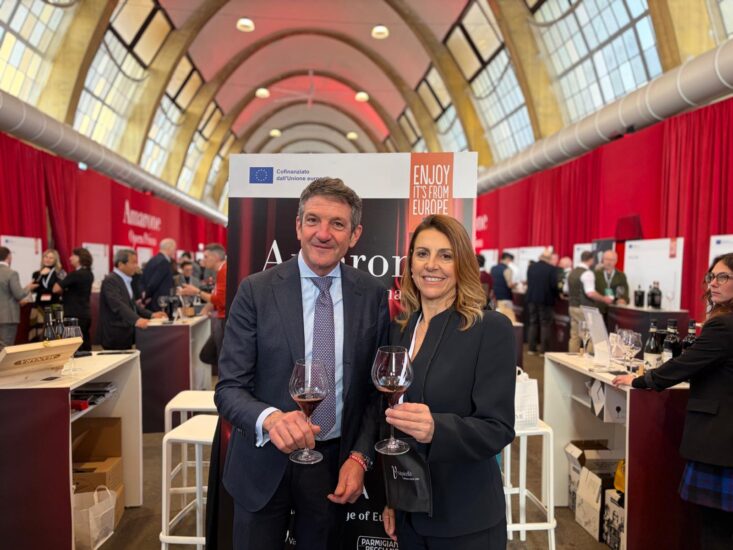



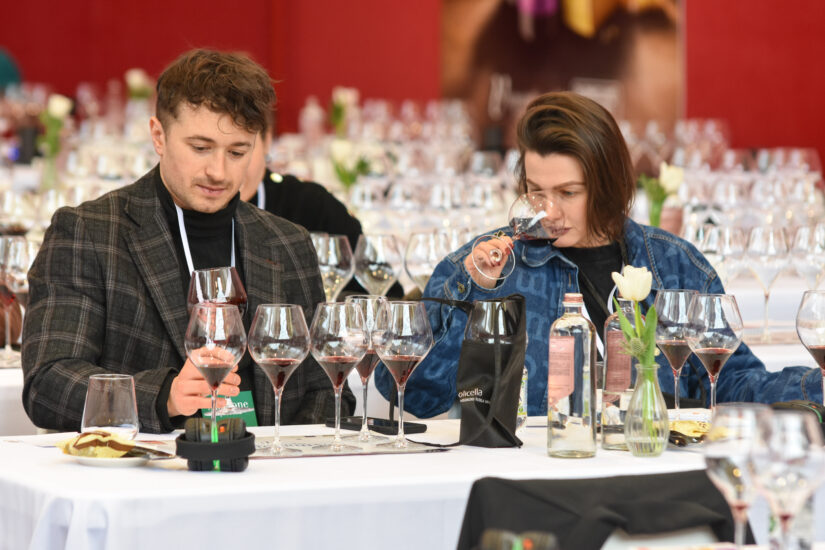
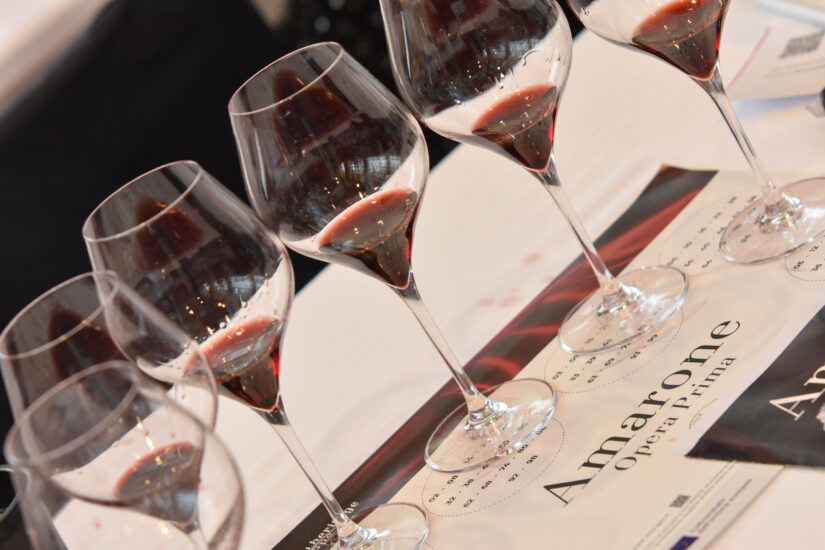
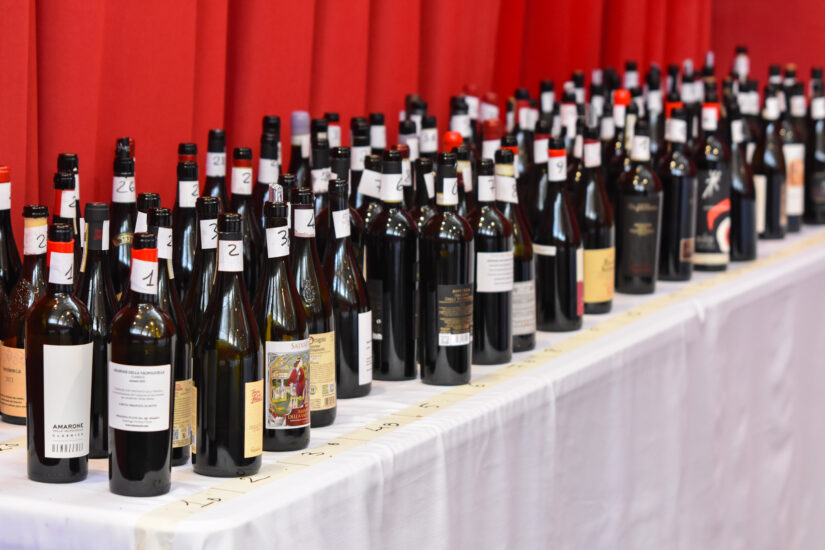
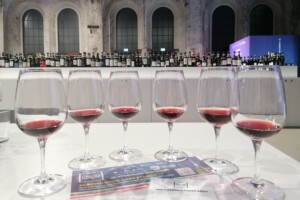
The debut of a newly presented vintage, 2021, which is expected to be comparable to the excellent 2015 and 2016, along with the celebration of Unesco recognition of Italian Cooking, closely tied to the culture of wine consumption at the table, and the upcoming Winter Olympics, whose closing ceremonies and the opening of the Paralympic Games will take place in Verona, with the flagship wine of Valpolicella, Amarone, as the star: all this is featured at “Amarone Opera Prima 2026” (closing today in Verona at the Gallerie Mercatali by Veronafiere). The event celebrated wine, cuisine, and sport, united by passion - the focus of the panel discussion of Consortium “Amarone da podio con la Cucina italiana e le Olimpiadi” - “Amarone on the podium with Italian Cooking and the Olympics” - as outstanding ambassadors of Italian lifestyle and the promotion of our country.
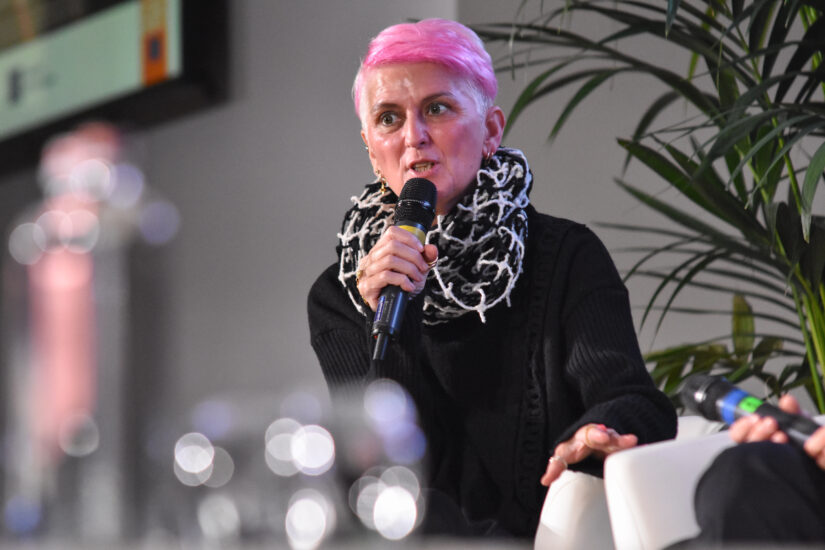
Passion is what guided Maddalena Fossati, editor-in-chief of “La Cucina Italiana”, creator of the Unesco candidacy for Italian Cuisine and president of the Promoting Committee, in what she described, recounting its origins, as “a dream come true”. “It is as if on December 10th, 2025, we won an Oscar, our reputation has increased greatly, but now we must write new scripts” - she warned, announcing the launch of a dedicated website to gather proposals and ideas from the entire agri-food sector, right down to consumers of Italian food, to contribute to the protection and enhancement of Italian food and wine heritage. A value that can’t be separated from conviviality, whose cornerstone is wine. A firm supporter of this is Cristina Bowerman, chef of Glass Hostaria in Rome and holder of 1 Michelin star, who incorporates foreign products into her cuisine “because, as in the arts, food can’t be impermeable to what happens in the world - she explained - and while innovation can’t exist without tradition, the opposite is not true. Tradition must be respected, and it can evolve through techniques that make it more contemporary”. Deborah Compagnoni, a sports legend and the only athlete to have won 3 Olympic gold medals and 1 silver, 3 world golds, and a Giant Slalom World Cup, added tenacity to passion in her life, tenacity which also appears among the key principles guiding the Valpolicella Wine Consortium. This tenacity enabled the ambassador of the “Milano Cortina” 2026 Olympics and Paralympics, raised in a family of restaurateurs “where wine was always present”, to overcome accidents which would have discouraged anyone else, and to return to winning races after each recovery. The promotion of Italian wine will soon gain new momentum, as Agriculture Minister Francesco Lollobrigida emphasized in his video message, announcing the launch of “a major communication campaign highlighting wine ability to represent the territory, environmental stewardship, and its role as an important cultural element, countering narratives that focus solely on alcohol which is certainly part of wine, but can’t be the only discussed aspect”. This renewed push will be paired, in collaboration with Ice-Agency, with efforts to strengthen major markets, starting with the United States, and open new ones, such as India”.
Looking again at wine quality, if the positive assessment of the Amarone della Valpolicella 2021 entering the market confirms that vineyard and drying-room challenges for grape resting were overcome, those of the market remain open even for Veneto leading red denomination, among the most important in Italy, which closed a difficult 2025 but experienced a good recovery in the last quarter, with an overall turnover exceeding 600 million euros. “We can’t hide the recession across many markets - commented Christian Marchesini, president of the Consortium - as in the case of Canada, an important destination for our wines, affected by Trump tariffs, whose consequences indirectly affect. And, then there are wars and anti-alcohol messaging which makes no distinction between wine, which contains at most 15% alcohol, and spirits. However, in this complicated context, we closed 2025 with limited contraction: bottled Amarone is at -2.4%, Valpolicella at -2.7%, and Ripasso at -3.7%. Promotion can be further strengthened, and good expectations are held for Mercosur, where tariffs are currently very high. These markets could once again become very important for us: until the 1970s, Brazil was our second export market. And there is optimism about India as well. In 2025, the Consortium centennial year, 75% of our budget was allocated to promotion, thanks also to the commitment of member wineries, which accepted a 15% increase in fees”. Nevertheless, some producers interviewed by Winenews during the “Anteprima” lament the lack of awareness among certain high-spending consumer segments in key markets and question the effectiveness of some promotional actions. Among the strengths of the Valpolicella denominations and the Consortium, there are the territory green assets and a new “language” of consumption involving slightly lower serving temperatures for young red wines with soft tannins - Valpolicella and Valpolicella Superiore - to expand their consumption during warmer months and in less traditional pairings, such as with fish. “In an increasingly competitive scenario - said Marchesini - Valpolicella is strongly investing in sustainability as a market lever for various consumer segments, from Northern Europe to North America, where it is considered added value. The voluntary Sqnpi certification has found fertile ground among our producers, with 47% growth in 2025 alone and 110% over the past 3 years”. According to the Consortium analysis, certified agro-environmental stewardship now covers nearly 4,666 hectares out of a total 8,600-hectare denomination. Of these, 1,100 hectares are organic (down -9%), and nearly 3,500 are certified with the Ministry sustainability label. And, then, there is the Unesco candidacy of the “ritual” for producing Amarone and Recioto, whose admissibility will be evaluated in March by the Ministry of Culture. “We await the decision - underlined Marchesini - but regardless, the path we have taken has increased our awareness and strengthened how we define and present our territory. From the terms “drying” and “grape resting” we have come to recognize this as a “ritual” with historical and cultural significance”.
All this unfolds in a general economic context that, especially for red wines, is complicated, as we have often reported. Venetian PDO red wines (excluding Amarone, as the released data cover red wines up to 15% alcohol), with Valpolicella accounting for the overwhelming majority, recorded in the first 10 months of 2025 a year-on-year drop of 2.1% in value (+0.4% in volume), a decline 3 times smaller than the national performance of the red-wine category (-6.2%). U.S. tariffs weighed heavily in the second part of the year, leading to a -5.8% value gap, along with significant declines in Switzerland (-9.8%), Denmark (-3.7%), and Norway (-6.5%). However, some key markets performed well, such as top buyer Canada (+4.8%), and also Germany (+5.1%), Sweden (+4.7%), the United Kingdom (+8.9%), and the Netherlands (+12%).
Copyright © 2000/2026
Contatti: info@winenews.it
Seguici anche su Twitter: @WineNewsIt
Seguici anche su Facebook: @winenewsit
Questo articolo è tratto dall'archivio di WineNews - Tutti i diritti riservati - Copyright © 2000/2026