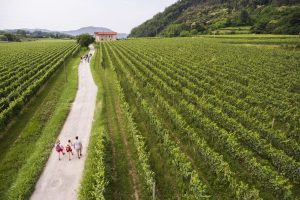








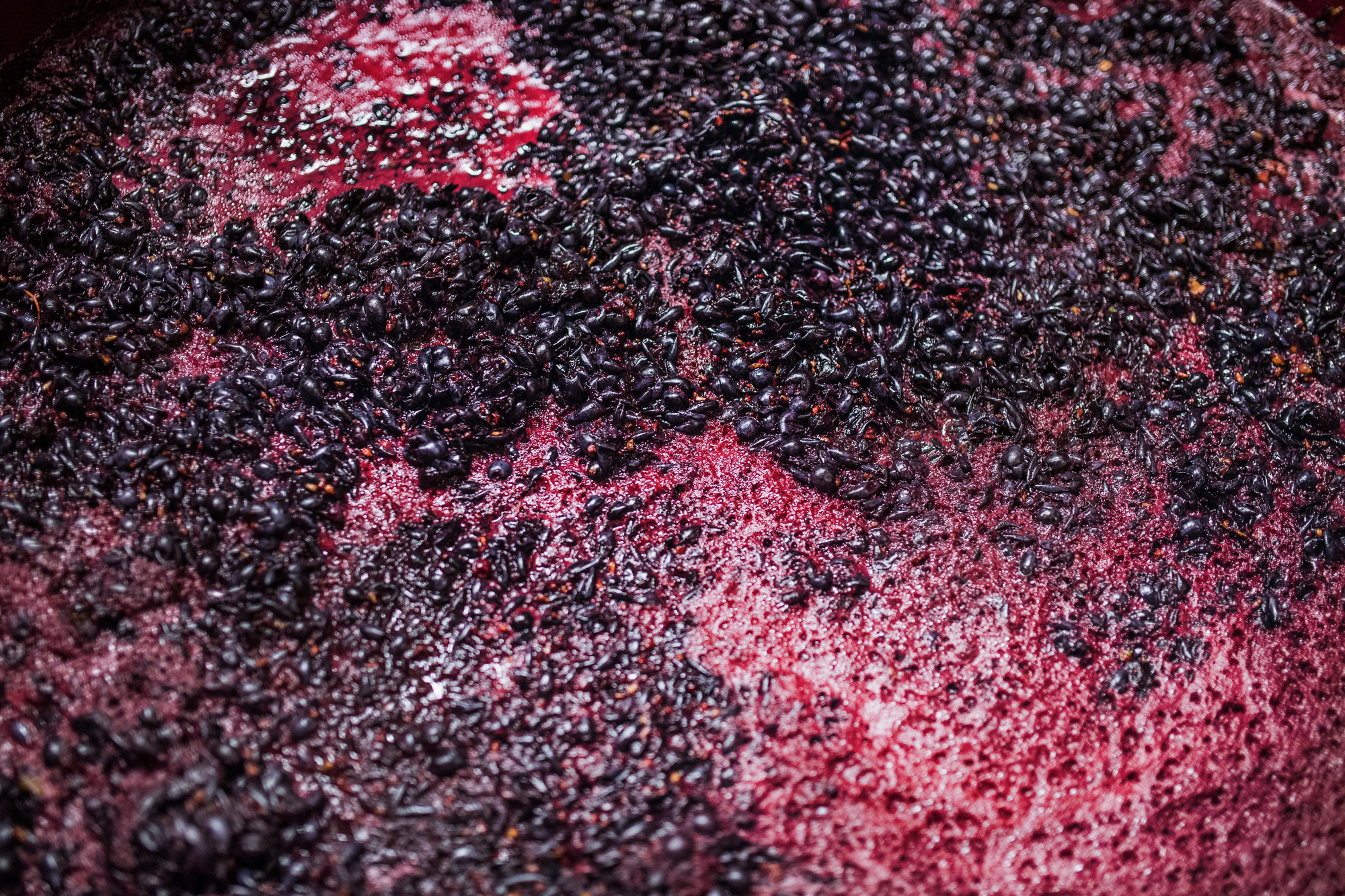
Wine production from the latest harvest amounts to 44.3 million hectoliters, according to the data communicated today by Italy to the European Commission. Contrary to earlier forecasts, notes Unione Italiana Vini - Uiv, production in 2025 is in line with the previous year (+0.7%), mainly due to a prudent reduction in yields for the main Italian denominations rather than adverse weather events. This production containment, implemented in various regions to maintain balance along the supply chain - according to Uiv - has nonetheless proved insufficient in light of the current level of wine stocks. Uiv president Lamberto Frescobaldi stated: “as of today, after 2 harvests just above 44 million hectoliters, Italian wineries hold 61 million hectoliters of wine, 6% more than in the same period last year (as we previously reported here). This figure rises to nearly 68 million hectoliters (+7.5%) when including musts. This means that we can no longer afford harvests which align not only with the average of the last 10 years - at 47.5 million hectolitres - but not even those with volumes previously considered low, like those of the past two years. It is necessary - added Frescobaldi - to revise the current production framework at a central level through reforms to the Unified Text that ensure a flexible system capable of expanding or contracting depending on market dynamics”.
Wine stocks in Italian cellars, underlines Uiv, show a substantial surplus (+11.3%) for common/varietal wines and for white IGT wines (+10.5%). The trend for PDO wines is more contained, at +3.6% (31.7 million hectoliters).
“The situation remains delicate - said Uiv secretary general Paolo Castelletti - with product outflow rates down by about 20% not only compared to early 2024, when strong demand came from the United States due to imminent tariffs, but also compared to 2023, a year not influenced by external events. Despite a production volume which is not particularly abundant, bulk wine pricing remains overall quite weak, with quotations for common white wines (those with the largest market, due to their use as sparkling base wine) showing average declines of more than 10% compared to last year in major producing regions. Tensions are also evident for denomination wines, where upward price movements are extremely rare and trends are either stable or declining. These dynamics - he concluded - are fueled by market difficulties in Italy and abroad, particularly in non-EU countries where a 7% drop in exports for the whole of 2025 is estimated”.
According to Uiv, there are urgent corrective measures which need to be discussed. These start with reducing grape yields per hectare, including the end of derogations for generic wines, and aligning denomination yield procedural guidelines with actual yields recorded over the past 5 years. It is also important to suspend new planting authorizations, which each year allow the Italian vineyard surface to expand by nearly 7,000 hectares.
Copyright © 2000/2026
Contatti: info@winenews.it
Seguici anche su Twitter: @WineNewsIt
Seguici anche su Facebook: @winenewsit
Questo articolo è tratto dall'archivio di WineNews - Tutti i diritti riservati - Copyright © 2000/2026