


Sunday 20th of September 2026 - Last Update: 21:50






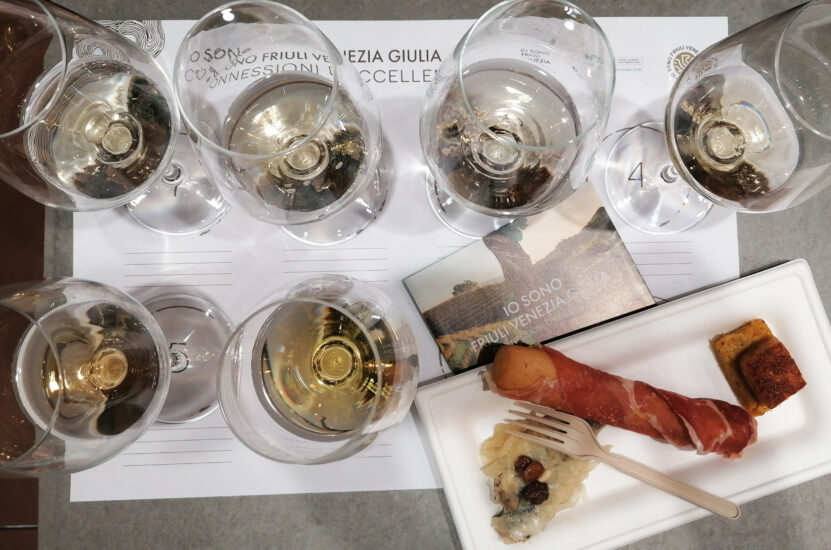
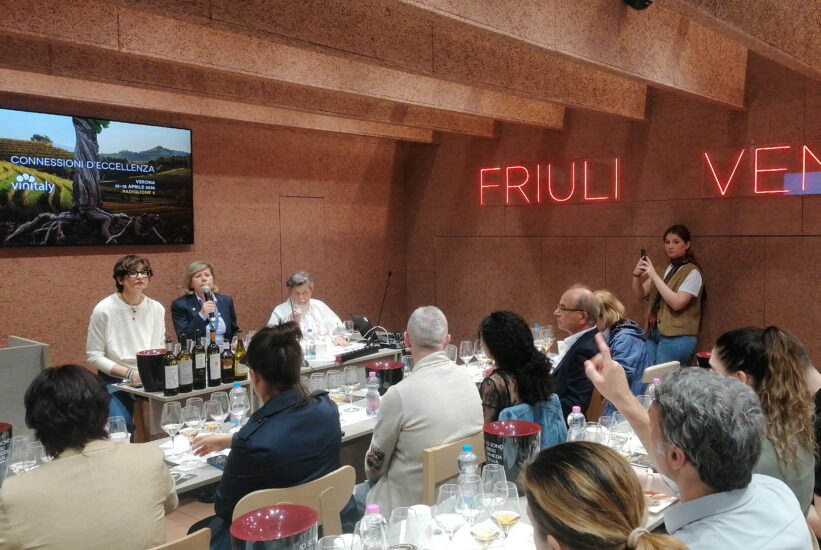
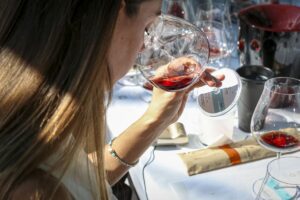
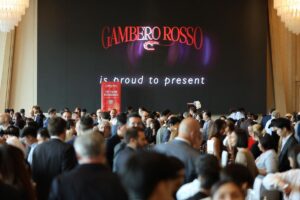
The excellence of Friuli-Venezia Giulia’s white wines is now universally recognized, both in Italy and abroad. However, the association of white wines with aging potential remains a taboo: again, both in Italy and abroad, especially regarding Italian whites. There are, however, exemplary cases of wineries or regions that invest resources and time to overcome this preconception - South Tyrol first and foremost - and at Vinitaly 2026, held in Verona in recent days, Friuli-Venezia Giulia demonstrated this through this tasting, drawing strength from its small-scale, high-quality production (it produces only 3% of Italy’s total wine output), its native grape varieties, and its geography, which together possess all the characteristics needed to succeed in this endeavor, convincing even the most skeptical. Organized by Donne del Vino of Friuli-Venezia Giulia, the masterclass led by winemaker Lorenza Scollo and sommeliers Liliana Savioli and Rosa Prisciandaro put six regional white wines to the test, with great success: two Friulans, two Malvasias, a Pinot Grigio, and a blend, on a brief journey spanning the vintages from 2023 to 2017, passing through 2022 and 2021, accompanied by three tastings of typical regional dishes (breadsticks with San Daniele DOP prosciutto; sarde in saor; crostini with frico). The leitmotif of the tasting, in addition to the longevity of the region’s white wines, is the female influence: the wines being tasted were, in fact, all produced by women in various roles (as winemakers or owners). Tastings like these are also intended to demonstrate how women are now at the forefront of leadership and decision-making roles, bringing skills that can improve the wine industry and contributing cutting-edge knowledge and ideas. Lorenza Scollo, who describes herself as a “hybrid winemaker” because she has held various roles both in the winery and in the vineyard, including that of brand ambassador in the sales department, introduced the masterclass. “When we talk about long-lived wines”, she began, “our thoughts immediately turn to red wines, but the agronomic and oenological knowledge we have acquired now allows us to produce great white wines as well. This is a challenge and an opportunity that is not limited to just the big names in wine and should not be confined to a mere exercise in style: longevity, in fact, increases the value of the wine, becoming an important commercial opportunity as well”.
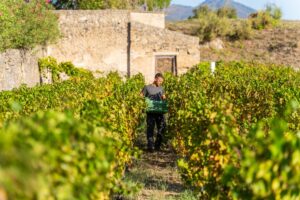
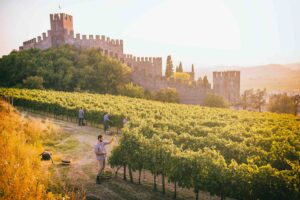
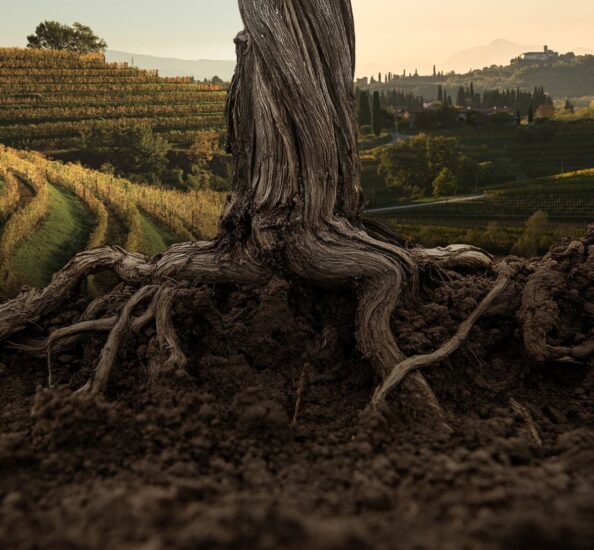
For a wine to have aging potential means it has the capacity for positive evolution, where acidity, structure, body, and aromas remain in balance and harmony over time, while simultaneously gaining in complexity. And how is this capacity achieved? There are factors related to the vineyard and factors related to the winery. Among the former are the grape varieties: those considered best suited for aging are able to maintain good acidity even under less-than-ideal climatic conditions, such as those we face today, with increasingly mild winters and increasingly hot summers. “Native grape varieties are also idea”, added Scollo, “because they have adapted well to their territory, accompanying it through the changes it undergoes. Generally, suitable terroirs are hilly and breezy areas that experience significant temperature fluctuations, which help develop aromas, with less fertile soils that reduce vigor”. Then there are the growers’ agronomic choices that promote the aromatic and structural concentration of the grape, which contributes to the wine’s longevity: such as canopy management or yields per hectare. The decision not to uproot old vineyards also supports this approach, because older vines are typically less vigorous and more balanced: they produce fewer grapes, but the grapes are more balanced in their components. They represent a heritage worth preserving, and today many more wineries are aware of this, to the point of implementing agronomic practices that ensure the vineyards last as long as possible.
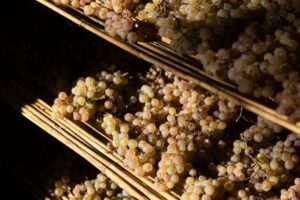
Certainly, today’s market, which demands light, low-alcohol wines, is moving in the exact opposite direction of full-bodied wines capable of aging. And the climate isn’t helping either, with sharply rising temperatures that increase sugar levels more quickly, drastically reducing acidity and the time needed for the grapes to develop other nutrients essential for aging. In such cases, older vines can mitigate the consequences of the climate crisis, but early harvesting can also help, as can good work in the cellar.“Through gentle pressing, for example, and extended aging on the lees. Until just a few years ago, the time between fermentation and release was very short, especially for white wines. However, we have discovered that the role of yeasts does not end with fermentation and their death, because they are still capable”, concluded Scollo, “of influencing the wine’s body, color stabilization, and organoleptic components. In fact, the cell walls of dead yeast contain mannoproteins that bind certain aromas no longer detectable by the nose, releasing them instead in the mouth thanks to the heat generated in the oral cavity. And thus contributing to the wine’s persistence”.
Copyright © 2000/2026
Contatti: info@winenews.it
Seguici anche su Twitter: @WineNewsIt
Seguici anche su Facebook: @winenewsit
Questo articolo è tratto dall'archivio di WineNews - Tutti i diritti riservati - Copyright © 2000/2026