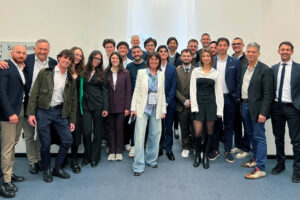




Tenute Piccini, Mezzacorona, Frescobaldi, Villa Sandi, Marchesi Antinori, Cavit, Zonin1821, La Marca, Cantine Riunite & Civ (which includes Gruppo Italiano Vini - Giv) and Terre Cevico: these are the 10 top wineries in the digital world based on an overall evaluation of parameters such as social media channels, e-commerce, languages used, digitalization, and not only, according to the edition No. 12 of the study “Il gusto digitale del vino” - “The digital taste of wine” 2025 by Omnicom Pr Group Italia, carried out on a small but significant sample, seen that the digital strategies of the top 25 Italian wine companies by turnover are taken into consideration (according to Mediobanca data, ed). And, special awards were also given: Antinori received the “Social Media” award for the best social strategy, Herita Marzotto Wine Estates earned the “Climate & Sustainability” award for being the first Italian wine company to achieve “Carbon Neutral” certification, recognizing its commitment to sustainability and biodiversity, and Tenute Piccini received the “Education & Social” award for its investment and dedication to educational and social projects that promote wine culture and strengthen ties with the community and environment. In extreme summary, explains the research, that for the third consecutive year, LinkedIn confirms the most significant growth in terms of new followers for wineries (+29%) and remains the most monitored platform along with Instagram and Facebook, which continues to have the largest fan base at around 1.3 million users. The use of Messenger chat is declining, with only 5 out of 25 wineries (20%) providing personalized answers within 24 hours, while 11 have implemented an automated bot. 40% of wineries have renewed and invested in their web properties (website or its content), improving the user experience.
Looking more closely at social media analysis, it emerges that LinkedIn is now used by 21 out of 25 wineries (unchanged compared to last year) with an aggregate follower increase of over 29% compared to 2024 (which had already grown by +13% compared to 2023). The platform is mainly used to connect companies and industry professionals to products, although it is increasingly replacing Facebook for storytelling about started or implemented initiatives. Instagram shows slight growth with an aggregate follower increase of 0.1% compared to 2024 (it was 6% in 2024 compared to 2023). Today, 21 out of 25 companies have an official account (unchanged data). Facebook, on the other hand, records a decline of -5.6% in followers (it was -0.9% in 2024 compared to 2023) and is monitored by 21 wineries out of 25 (against 22 in 2024). YouTube remains lightly used by 17 companies (against 18 in 2024), while X (formerly Twitter, ed) is used by only 8 wineries (against 10 in 2024), showing a significant drop in fan base of -14.1% compared to 2024. Only 7 wineries are present on Wikipedia (unchanged compared to 2024), useful for Serp visibility. TikTok shows a slight increase with 7 companies out of 25, compared to 6 out of 25 in 2024.
On the e-commerce front (a channel which seemed destined to boom during Covid), after the decline in proprietary e-commerce sites in 2024, 2025 sees a slight increase, with 13 out of 25 wineries having their own online shop, compared to 12 the previous year. Despite updates, the user experience remains basic, limited to product presentation and purchase process management, without expanding consumer engagement. However, it is clear that leading companies aim to accompany consumers through all stages of the brand-consumer relationship.
But, the research also shows that companies have set aside online experiences in favor of in-person activities and are increasingly trying to go beyond the traditional winery boundaries to reach a broader and more diverse audience. In this context, 64% of the wineries analyzed, for a total of 16 out of 25 (compared to 15 in 2024) offer various types of in-person experiences. Beyond those directly related to wine, some companies organize events and meetings outside the winery, such as music and entertainment festivals to engage younger audiences. In education, companies offer experiences like sustainability and enology-themed masterclasses and academies. In sports, there are vineyard horseback tours or yoga classes among the vines.
Still, in 2025, as well as in 2024, in-person activities are preferred, with 17 wineries out of 25 (against 15 of the previous year) featuring sections dedicated to tasting routes (compared to 52% in 2020 and 2019) or experiential activities. Wineries offer various experiences such as workshops and dedicated special events. The most advanced ones use their hospitality facilities to provide a complete experience (including 5 with their own restaurants, 2 with lodging facilities, and 2 with a museum).
The “food pairing” trend (wine-food combinations) involves 18 companies out of 25 (slightly down compared to 2024, they were 19 out of 25) remaining an interesting phenomenon, although the quality and quantity of dedicated information is generally declining compared to previous years. Conversations about dealcoholized wine are increasing, promising to be an area to be monitored for new consumer tastes with some wineries already experimenting it. Regarding other contents, 64% of companies mention native grape varieties (compared to 72% in 2024): 16 wineries have dedicated content on their websites. The level of detail has slightly decreased, but some of the most advanced companies go beyond mere mentions, providing descriptions of grape varieties and explaining their choices, while others dedicate entire sections to the topic enriching information with details on usage programs and resource recovery.
Compared to the previous analysis, sustainability initiatives related to the territory (Environmental) remain strong, with 23 wineries out of 25 (unchanged data from last year) mentioning projects to protect grape varieties and biodiversity, control of fertilizers (especially natural ones), and pesticides. They also publish guidelines on recycling packaging (bottles, corks, plastics, boxes), using renewable resources for energy and irrigation, and collaborating with local and international institutions for certifications or protection projects.
Italian wineries also maintain strong commitment to social impact initiatives (Social), mentioned by 22 wineries out of 25 (unchanged data compared to 2024). These include sharing family traditions and passions, bonds with local culture, support for cultural institutions like museums, educational wineries, school initiatives or scholarships, and support for associations promoting social inclusion and consumer well-being.
Communication and sharing of good company governance practices (Governance) have increased, with 21 wineries out of 25 (against 19 in 2024) reporting organizational models aimed at ensuring innovation, territorial spirit, ethical supplier relations, and employee treatment, with particular attention to long-term pay and contract policies. However, there are no significant references to inclusivity, diversity, management mediation, or power balance.
In an increasingly more global and “multilingual” wine market, beyond Italian, English (24 wineries out of 25, the same as in 2024), German (8 out of 25, against 10 in 2024), French (3 out of 25), and Russian (2 out of 25) are the most common languages on company websites to cover key export markets. Chinese has decreased from 4 out of 25 wineries in 2024 to 1 out of 25. On social channels, 16 companies out of 25 offer content in foreign languages (against 15 in 2024).
Regarding chat - all on Messenger - 5 companies out of 25 responded to information requests within 24 hours, compared to 7 in 2024 (9 out of 25 in 2023, 10 out of 25 in 2021, and 15 out of 25 in 2020). The trend confirms wineries prefer automated responses, often directing users to send an email or visit a dedicated website section. Meanwhile, 11 out of 25 wineries have implemented an automatic bot on their Messenger profiles.
“One of the trends emerging from our research is the consolidation of corporate storytelling in the Italian wine sector, with LinkedIn proving to be the most suitable channel for visibility and conversations. This is also confirmed by communication on Esg topics, which, while declining in other industries, remains stable and well-managed thanks to comprehensive content”, affirms Massimo Moriconi, General Manager and ceo of Omnicom PR Group Italia. Who adds: “in the immediate future, one of the opportunities for the sector will be optimizing digital assets for new Ai-based search engines (Generative Search Optimization), which provide assertive responses capable of shaping initial perceptions of brand behavior and products. It will therefore be crucial to create qualified media visibility and focus on information consistency”.
Copyright © 2000/2026
Contatti: info@winenews.it
Seguici anche su Twitter: @WineNewsIt
Seguici anche su Facebook: @winenewsit
Questo articolo è tratto dall'archivio di WineNews - Tutti i diritti riservati - Copyright © 2000/2026