


Friday 20th of March 2026 - Last Update: 12:05






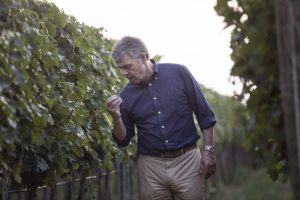
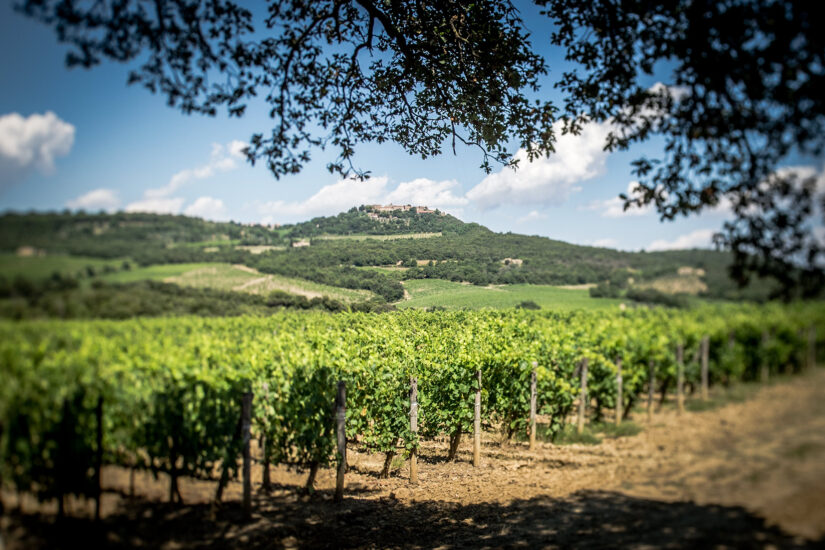
I vigneti di San Felice, in Chianti Classico
Il convegno “Rigenerare per crescere” di Bayer, a San Patrignano
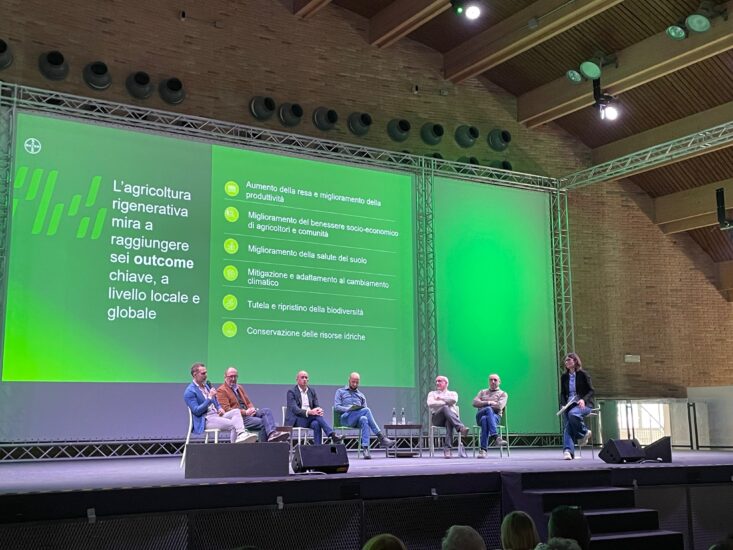
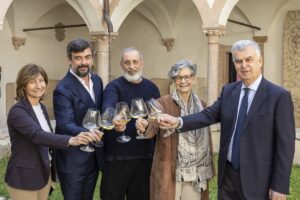
If economic issues, given current events, have forcefully taken center stage in discussions and communication around wine in recent months, the future of the sector continues to hinge on the sustainable management of the supply chain and, above all, of the vineyard. And while much of Italian viticulture has long embraced environmental stewardship, the concept of “regenerative agriculture” is now gaining ground among the rows of vines. This approach not only seeks to use as few natural resources as possible, but aims to actively regenerate them through sound agricultural practices, as well as by embracing the innovations emerging from research. This was the focus of “Rigenerare per crescere” - “Regenerate to Grow”, an event held in recent days at the San Patrignano Auditorium - the recovery community founded by Vincenzo Muccioli in Coriano, in the province of Rimini, which promotes the social and professional reintegration of young people in difficulty through viticulture and other agricultural and non-agricultural activities. The event was promoted by Bayer, one of the leading global players in the health and agriculture sectors (reporting 45.6 billion euros in revenue in 2025, with 5.8 billion euros invested in Research & Development), with the aim of showcasing and sharing a concrete regenerative agriculture project applied to the wine sector. The initiative underscores Bayer commitment “to fostering a form of viticulture capable of combining innovation with the socio-economic well-being of farmers and communities, while protecting natural resources and profitability. All this to contribute to the development of a more resilient, long-term-oriented agriculture”. Several wineries shared their experiences of translating these principles into practice, including San Felice, a prominent Chianti Classico estate owned by the Allianz Group; Fontanafredda, the historic Barolo producer now owned by the Farinetti family; Montaribaldi, based mainly in the Barbaresco area; and Marcello del Majno, an agricultural and wine-producing estate in the Treviso and Prosecco DOC region.
They also discussed the outcomes and insights from the 2025 growing season, the first year of Bayer initiative, along with their goals for 2026, set against the backdrop of an increasingly challenging wine growing landscape. “The sector must contend with the effects of climate change, the evolution of pathogens and pests, the alteration of the vine phenological cycles, a stringent regulatory framework, and the market growing focus on environmentally friendly production. In this scenario, Bayer aims to play an active role in the transition, supporting farmers embarking on a regenerative path”, explains a note.
“Rigenerare per crescere” project involves partner wineries in Piedmont, Tuscany, and Veneto, integrating agronomic practices implemented by the wineries themselves, innovative crop protection solutions, and digital decision-support systems (Dss). These activities are complemented by dedicated biodiversity monitoring efforts and communication initiatives designed to spread knowledge and encourage change throughout the supply chain.
“For Bayer, regenerative agriculture is a production model based on achieving key outcomes - affirms Greta Pignata, Communications & Regenerative Agriculture Expert at Bayer Crop Science Italy - such as increasing yield and productivity, improving the socio-economic well-being of farmers and communities, enhancing soil health, mitigating and adapting to climate change, preserving and restoring biodiversity, and conserving water resources. This project is framed within these overarching goals”.
The partner wineries described how the regenerative approach translates into everyday vineyard management through practices such as permanent cover cropping, reduced tillage and soil compaction, the preservation of wooded areas, the adoption of innovative and sustainable crop protection solutions, the use of forecasting models to support plant-health decisions, and an increasingly community-focused mindset. “San Felice is one of the pioneers of sustainable viticulture in Tuscany and actively participates in international networks dedicated to regenerative viticulture”, underlines Carlo De Biasi, dg of San Felice. “We have long worked to restore soil fertility and protect biodiversity. In particular, “Rigenerare per crescere” project has provided a concrete, measurable framework to strengthen this commitment. “The use of sexual confusion for the management of Lobesia botrana (European grapevine moth, ed) has allowed us to maintain production quality while reducing soil trampling, supporting beneficial entomofauna, and decreasing water consumption for insecticide treatments, all with tangible benefits for soil and the environment”, explained Alberto Grasso, Technical Director and Head Agronomist at Casa E. di Mirafiore - Fontanafredda. Alberto Fregonese, Technical Director at Marcello del Majno , highlighted the outcomes achieved: “our connection with the local community is central to our company mission. This regenerative viticulture project enables us to systematically manage biodiversity enhancement and, thanks to the integrated use of innovative crop-protection products and digital tools, preserve grape quality while optimizing inputs, with positive impacts on economic efficiency and our relationship with the territory”.
“The use of digital tools for disease monitoring, as envisaged in the collaborative project “Rigenerare per crescere” - concluded Sergio Belmonte, technical director of vineyard and winery Montaribaldi - has made downy mildew management more effective in a context of climate change. The optimization of treatments has enabled us to reduce environmental impacts and avoid unnecessary passes in the vineyard, with tangible benefits in terms of costs, efficiency, and productivity. A specific focus was then dedicated to biodiversity. Since 2025, Bayer Crop Science has been collaborating with 3Bee, the nature-tech company specializing in the measurement, protection, and regeneration of biodiversity”.
“As part of “Rigenerare per crescere” project, satellite analyses and environmental parameters were integrated into the four partner companies, along with the monitoring of pollinating insects through eight Spectrum IoT sensors, non-invasive bioacoustic devices developed by XNatura, the Nature Intelligence division of 3Bee. These activities were complemented by the development of site-specific Biodiversity Action Plans to guide potential improvement measures. The first collected data shows ecological conditions above the market benchmark for all the vineyards involved, confirming the value of the regenerative practices adopted and the role of technology as a scientific and replicable assessment tool. “The collaboration with Bayer and the wineries derives from the awareness that monitoring and preserving local biodiversity means protecting the integrity of the territory and the unique identity of the wines. At a time when the agricultural sector is called to confront the challenges of climate change and habitat loss, we have implemented a concrete and scientifically grounded approach to understand, quantify, and improve the relationship between viticulture and nature”, declared Daniele Valiante, Agronomist & Biodiversity Strategist at 3Bee.
Bayer project will continue in 2026, with the involvement of new companies interested in regenerative viticulture and the strengthening of regenerative defense strategies against the main vine adversities, supported by the measurement of specific KPIs (Key Performance Indicators), as well as the implementation of training activities. “The goal is to make regenerative viticulture an accessible, measurable, and replicable model on a broader scale - concludes Bayer - building together with winegrowers a path capable of combining the protection of natural resources with competitiveness and value across the entire supply chain”.
Copyright © 2000/2026
Contatti: info@winenews.it
Seguici anche su Twitter: @WineNewsIt
Seguici anche su Facebook: @winenewsit
Questo articolo è tratto dall'archivio di WineNews - Tutti i diritti riservati - Copyright © 2000/2026