








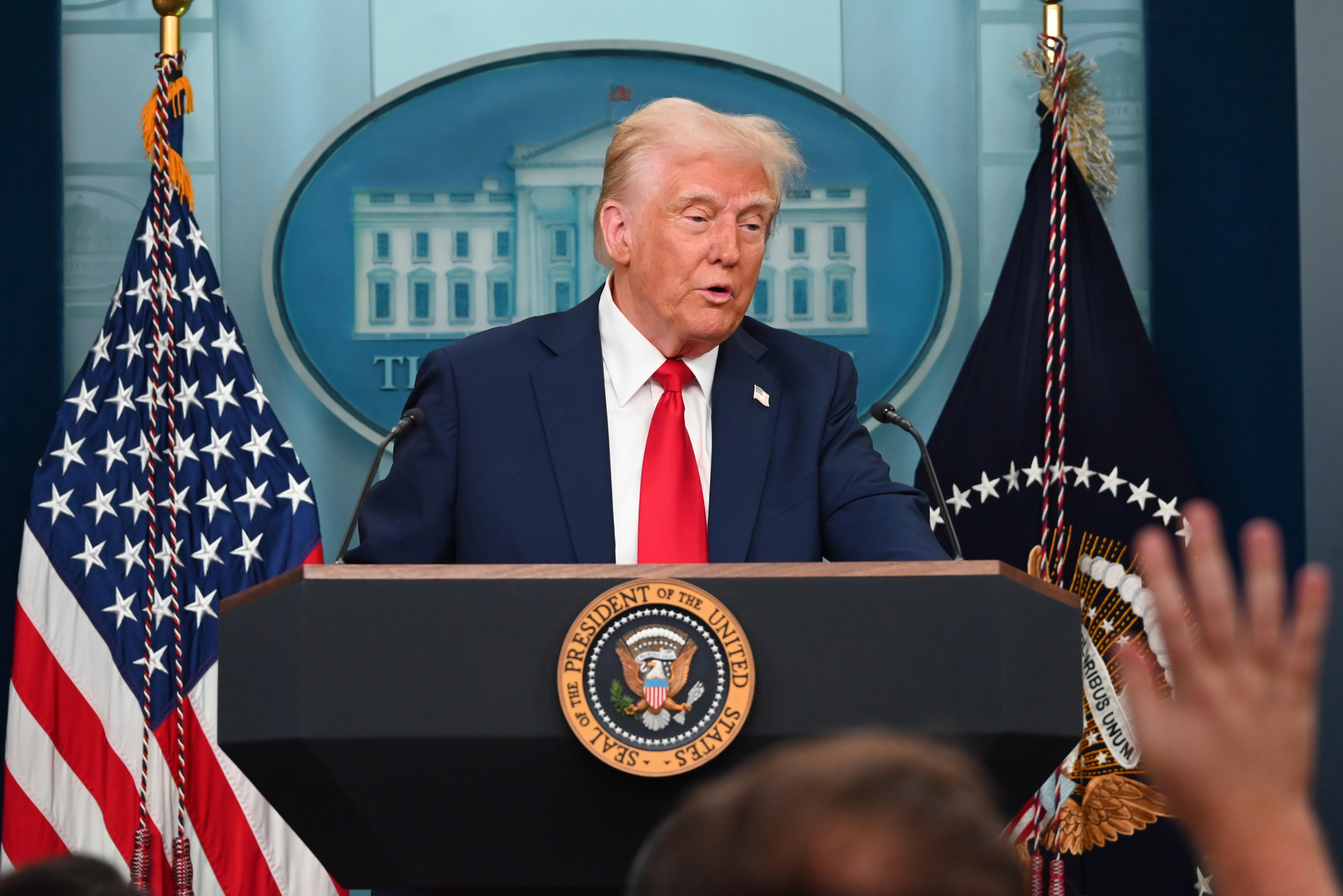
If wineries and wine merchants from all over the world, especially in the European Union and the United States, and more generally, much of global trade, are looking with interest and hope to the U.S. Supreme Court ruling on the legitimacy of the tariffs applied (and constantly modified, raised, lowered, or threatened) by U.S. president Donald Trump, a decision that is being postponed day after day (according to Cnn, the next scheduled date is February 20th, in a case that began in September 2025, ed), there are those who are cooling expectations of any positive developments. Because while some of the most important players in the U.S. wine market told WineNews that there are difficulties, clear ones, but it can’t be described as a collapse, Mitch Frank, Senior Editor of the American magazine “Wine Spectator”, recently wrote an editorial which leaves little room for interpretation, urging readers “not to expect tariff relief anytime soon”. He recalls the recent threats, some of which have since eased, made by Trump himself: from the 200% tariffs on Champagne in response to French president Emmanuel Macron “refusal” to join the “Board for Gaza”, to the increases applied to certain European countries, whose goods, including wine, currently face a 15% tariff, connected to the “Greenland affair”.
But above all, according to Mitch Frank (as also noted by several Italian wine producers, as we previously reported here), the worrying aspect is that American wine consumers have not yet fully come to terms with the effects of the ongoing trade wars. “during his stay in Davos, Amazon ceo Andy Jassy told Cnbc that prices for many products on the company platform are rising because of U.S. tariffs. Last summer, company officials denied that American consumers were paying more due to tariffs, claiming instead that sellers were absorbing the cost. That is starting to change. Some sellers are now choosing to pass those higher costs on to consumers, said Jassy to Cnbc. Some decide to absorb them to increase demand, while others take a middle path”.
And the same is happening with wine, because until now, Frank notes, producers and importers have generally worked together to cushion at least part of the impact of tariffs, aware that it was not the right moment to raise prices during an already declining consumption phase. This was possible thanks in part to the large inventories accumulated between late 2024 and early 2025. Now, however, everyone is hoping for the cancellation of tariffs, an unlikely scenario, to avoid further price increases that can no longer be postponed, both for premium wines and for American wines, which also depend on imports for corks, bottles, and so on. All of this unfolds within a context where the only certainty is that there are no certainties. And this, certainly, doesn’t support business or consumption of wine and not only.
Copyright © 2000/2026
Contatti: info@winenews.it
Seguici anche su Twitter: @WineNewsIt
Seguici anche su Facebook: @winenewsit
Questo articolo è tratto dall'archivio di WineNews - Tutti i diritti riservati - Copyright © 2000/2026