


Sunday 20th of September 2026 - Last Update: 21:57







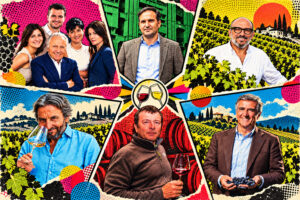
Enthusiasm, beauty, experimentation, hope for stability, resilience, accessibility and not only: these are the key words which will define Italian wine in 2026. At least according to the leaders of the 24 wineries in Consortium Italia del Vino, interviewed by WineNews (video coming in the next few days) which brings together companies such as Angelini Wines & Estates, Banfi, Bisol1542, Cà Maiol, Collis Heritage, Di Majo Norante, Diesel Farm, Drei Donà, Duca di Salaparuta, Ferrari Fratelli Lunelli, Gruppo Italiano Vini - Giv, Gruppo Mezzacorona, Herita Marzotto Wine Estates, Le Monde, Librandi Antonio e Nicodemo, Lunae Bosoni, Marchesi di Barolo, Medici Ermete & Figli, Mesa, Oniwines, Terre de La Custodia, Torrevento and Zonin1821, along with the new entry Donnachiara from Irpinia. Yesterday, during the assembly held in Rome, the consortium reconfirmed Roberta Corrà (already head of Gruppo Italiano Vini - Giv) as president and presented a 2025 report “positive in terms of growth and representation, confirming its role as a benchmark for Italian wine with total revenues exceeding 1.5 billion euros, an export share corresponding to 15% of the national total and ownership of 15,000 hectares of vineyards. These figures highlight the strength of a group now composed of 24 companies across 18 regions, committed in valorizing territories, supporting member businesses and promoting Italian wine in global markets, with attention to new consumption trends and talent education”, and which, over the past 15 years, has invested more than 100 million euros in international markets, explains a note.
“In 2025, the wine market in Italy recorded a further slowdown in consumption: domestic purchases are more selective, daily consumption continues to decline, and the importance of special occasions is growing, where white, rosé and especially sparkling wines perform better than traditional red wines”, explains Roberta Corrà. Who adds: “this is not a collapse, but a steady erosion linked both to the cost of living and to a cultural shift: the average Italian consumer drinks less but chooses more carefully, favoring freshness, versatility and drinkability”.
The trend is also reflected abroad: the United States, Germany and the United Kingdom, Italy main markets, show declining volumes compared to 2024, due to persistent inflation, greater caution in distribution and the introduction of U.S. tariffs on European wine. “Even in this case, demand rewards the most contemporary segments, with Prosecco remaining the locomotive of Italian exports and continuing to grow as a “comfort” category even in times of economic uncertainty”, continues Corrà.
Looking ahead to 2026, stabilizing inflation and the clearing of stock in some markets open the door to a more favorable scenario: “it is reasonable to expect a moderate rebound in demand, driven by white and sparkling wines, and by more modern communication capable of engaging new consumer segments. Companies which can interpret contemporary languages and speak to younger targets will have an advantage. This is also why we created the Wine Business Academy, an Advanced Training Course for the wine managers of tomorrow, in collaboration with Luiss Business School - underlines president Corrà - which recently completed its first module and will now continue its training program supported by Gate 39, Veronafiere, Colangelo & Partners and Wine Enthusiast.
Copyright © 2000/2026
Contatti: info@winenews.it
Seguici anche su Twitter: @WineNewsIt
Seguici anche su Facebook: @winenewsit
Questo articolo è tratto dall'archivio di WineNews - Tutti i diritti riservati - Copyright © 2000/2026