


Monday 14th of September 2026 - Last Update: 17:49






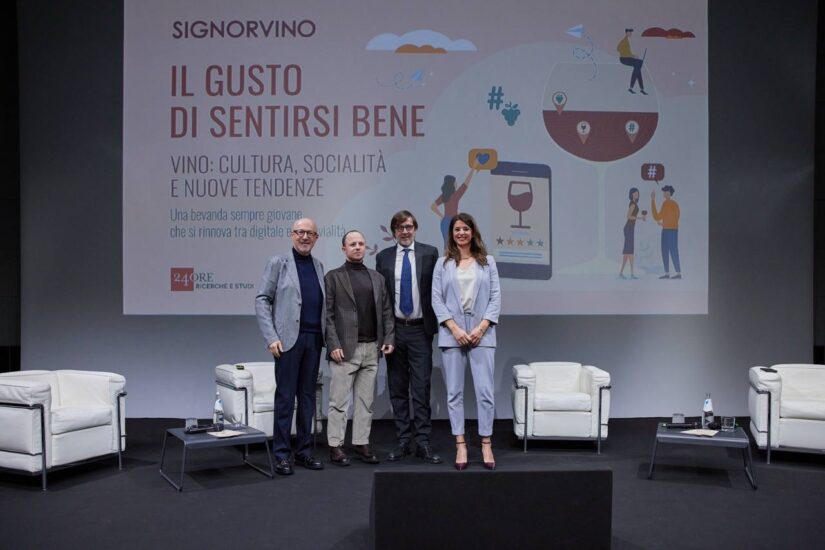
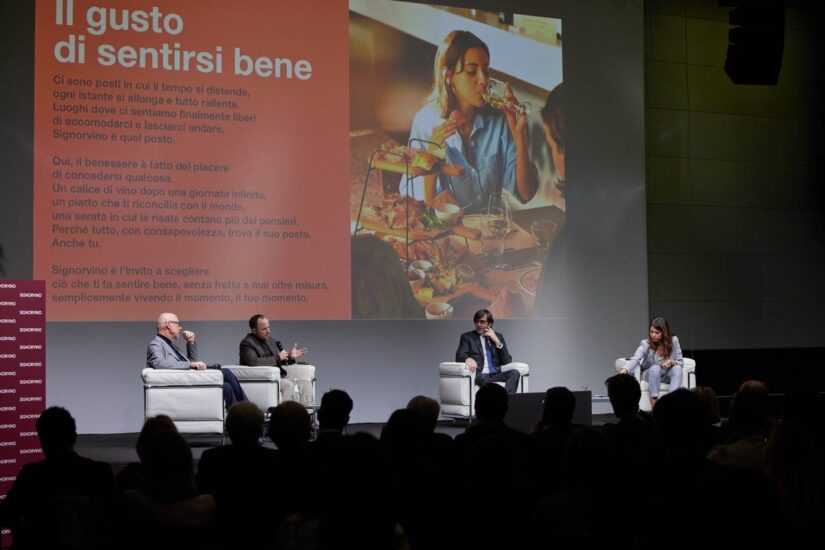
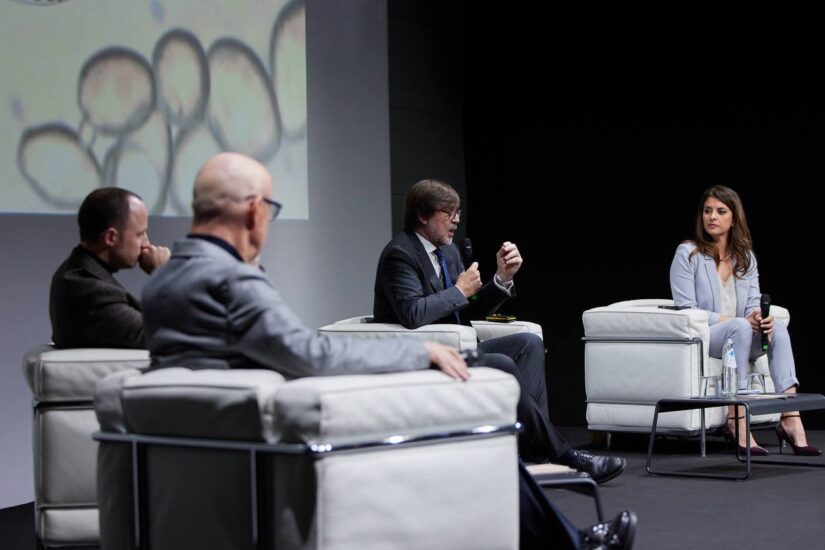
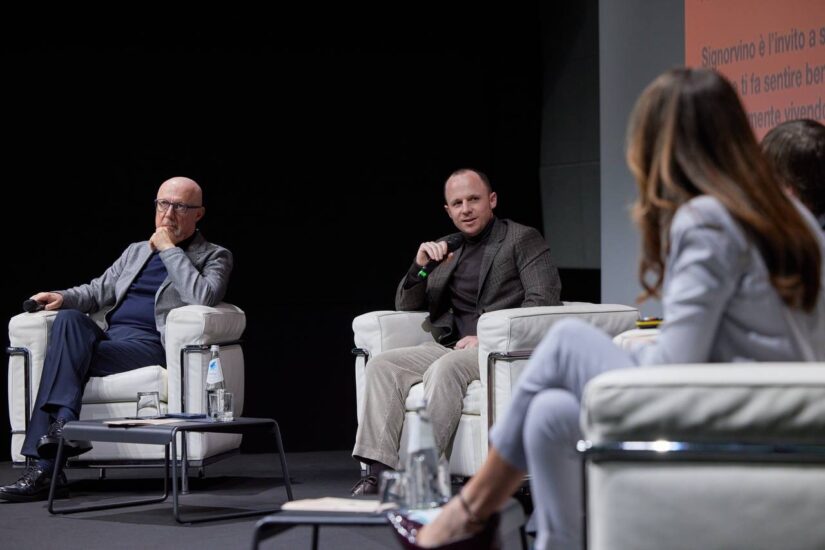
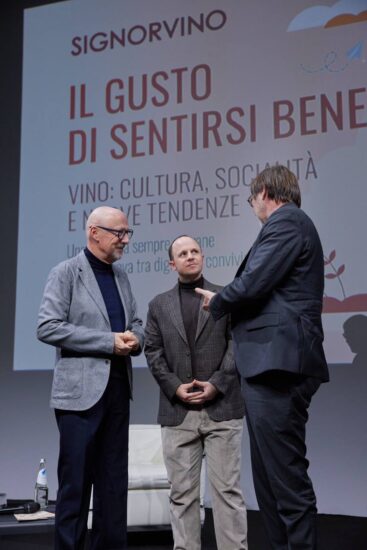
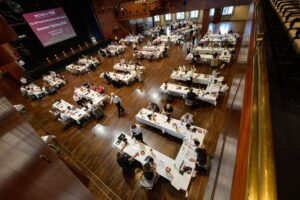
Aggregate leading Italian companies, those whose brands have driven the most and least renowned denominations of Italy around a communication project which scientifically explains the value of moderate wine consumption for maintaining health. This is the “counteroffensive” against a narrative that, in recent years, has often focused on the “demonization” of wine, failing to distinguish it from spirits in anti-alcohol abuse campaigns, overlooking its role at our table and in our culture, where it represents sociality and sharing, and generating uncertainty among consumers and industry operators. This initiative was launched yesterday by Signorvino. In a complex context for the sector, marked by declining consumption, consumer uncertainty, a more restrictive regulatory climate, and public communication adopting an alarmist and oversimplified approach, the call is to engage in dialogue, transforming fear into culture by investing in wine promotion and communication not in a commercial sense, but in a bio-evolutionary and cultural one. The focus is on the Mediterranean lifestyle, where moderate and mindful consumption has a clear place, and on education rather than prohibitions. This was discussed during the talk “Il gusto di sentirsi bene. Vino: cultura, socialità e nuove tendenze” - “The pleasure of feeling good. wine: culture, sociality, and new trends”, aimed at bringing the debate on wine consumption back to a cultural dimension, scientifically informed and oriented toward awareness with an audience of producers, stakeholders, and industry journalists, including WineNews, and moderated by Benedetta Rinaldi, host of Rai 3 medical program Elisir, at Oniverse near Verona, the Veronesi family group which includes brands such as Calzedonia, Intimissimi, Tezenis, and Falconeri, as well as Oniwines, which, alongside Italy largest chain of wine shops with kitchens dedicated to promoting Italian food and wine excellence, brings together wineries such as Tenimenti Leone nei Colli Albani in Lazio, La Giuva in Valpolicella, Podere Guardia Grande in Sardinia, Villa Bucci, a jewel of the Marche and Verdicchio dei Castelli di Jesi, the historic Pico Maccario in Monferrato (the latest acquisition, ed), and now Trentodoc with Ert1050 (with revenue nearing 100 million euros).
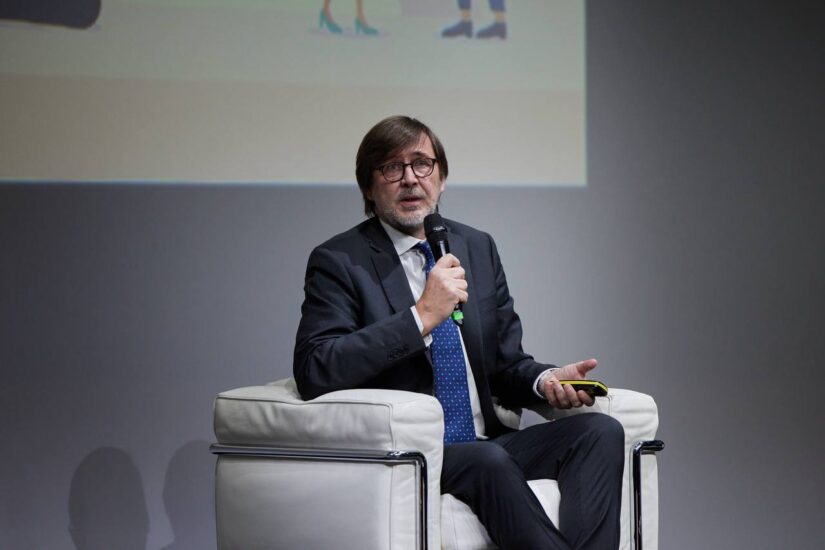
The call for sector proactivity and future planning derives from the principle expressed by “Mr. Calzedonia” Sandro Veronesi, Oniverse president, that agri-food companies can shape sociocultural habits rather than merely adapt to them. “A counteroffensive against misinformation about wine is necessary - affirmed with strength the founder of the Group - creating a movement which invests in communicating scientific studies on the benefits of moderate wine consumption”. It is no easy task to unite wineries around a movement or project given the fragmentation of the Italian wine sector and often opposing views. Yet, there is no alternative. “Large companies undoubtedly influence the public, as Coca Cola does or as brewers did with the claim promising to “live a hundred years” by drinking beer - said Sandro Veronesi - our case is different, but together we can advance ideas inspired by behaviors rooted in our culture, our way of consuming wine at the table with food and others unlike customs in other countries, such as the United States, where people don’t usually eat together and wine is often consumed alone”. From there, Veronesi warns: “either we wait for the wind to change, or we come up with ideas and work together to influence its direction”.
Wind that, according to Sandro Veronesi, in an interview with WineNews, has brought wine into a “phase of normality”, meaning that, as in all consumer product sectors, supply now exceeds demand. Wine had experienced a “bubble” where demand almost exceeded supply, and now effort is needed to sell wine.
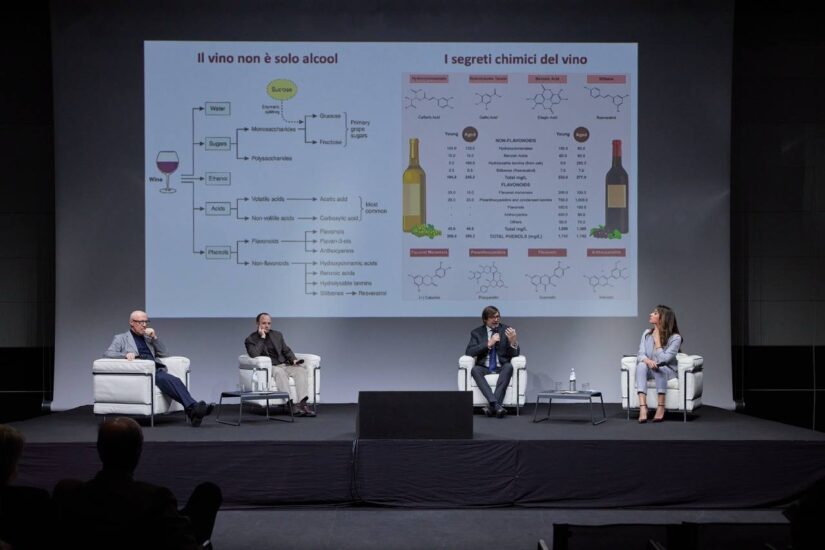
Scientific data exists and comes from prestigious sources, as professor Giovanni Scapagnini explained in a research about the deep bond between wine and humanity explored from his point of view, an authority in nutritional geroscience and aging, physician, researcher, professor of Clinical Nutrition, and scientific director of the Garda Valley Foundation (who explored the deep link between wine and humanity from a scientific perspective). Research by Scapagnini and other leading scientists clearly shows wine positive role. Among the benefits of moderate consumption, there are cardiovascular health, metabolism, cognitive function, and emotional well-being. In this framework, Scapagnini highlighted that, according to healthspan pillars: psychological well-being, cognitive functions, and cardiometabolic health - since stress is a key factor for quality of life and longevity, moderate wine intake, especially during meals and in a social context, is associated in some centenarian populations with reduced perceived stress and better psychological balance.
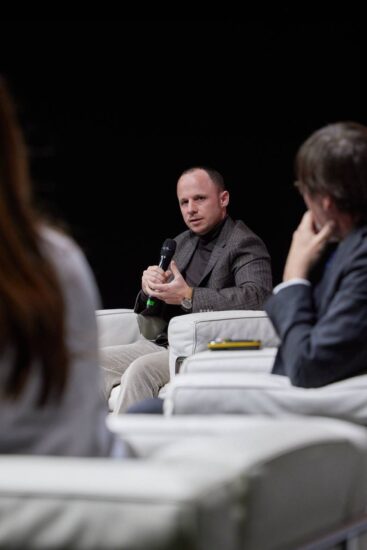
“Today’s meeting - explained Federico Veronesi, head of Oniwines and Signorvino ceo - is intended as a starting point for a path we feel necessary given the current negative discourse around wine. Involving leading companies that have most contributed to making denominations and their brands famous is an important step we are already taking under the Signorvino umbrella. However, the project must move forward without the narrow interest of individual brands, but solely under “the banner of wine”, aiming to benefit the entire sector: that will be its strength. It is not easy. Today we don’t have a specific project, but during “Sober January”, we wanted to launch ideas which will take shape in the near future. Many overlook the positive effects of wine consumed in moderation on psychological well-being, as shown by Professor Scapagnini research, which demonstrates wine as a natural anti-stress agent in a society who consumes many psychotropic drugs, especially in old age, when wine benefits are even greater. And, then, there is the role of wine in conviviality. We believe wine is not just a product but an ecosystem of relationships, culture, and responsibility. I strongly hope these reflections don’t end here today but eventually change people behavior when facing a glass of wine, helping them understand it is not just a product or an alcoholic ferment, but something much deeper, part of our culture. Popular wine events are lacking, unlike beer festivals. Let’s all think together about putting wine back at the center so it can be drunk and experienced again”.
Starting from the table, where wine is the most faithful companion surrounded by local products - reason why food and wine communication, as we have long argued, must increasingly focus on the wine-food-territory mix - alongside Italian Cuisine, now recognized as Unesco Heritage.
Copyright © 2000/2026
Contatti: info@winenews.it
Seguici anche su Twitter: @WineNewsIt
Seguici anche su Facebook: @winenewsit
Questo articolo è tratto dall'archivio di WineNews - Tutti i diritti riservati - Copyright © 2000/2026