


Sunday 20th of September 2026 - Last Update: 21:57







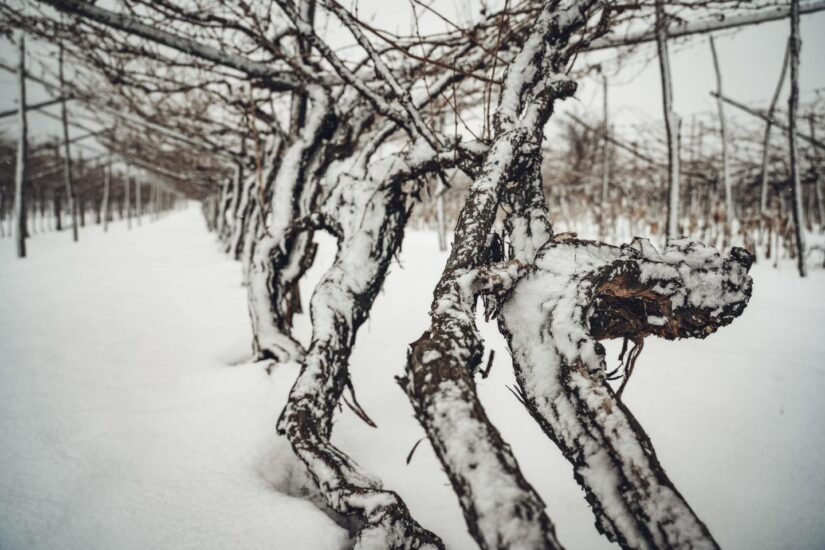
“Ungrafted vines represent a priceless heritage, both from a historical, social, and landscape perspective, and for their richness in biodiversity. This biodiversity can also have a practical role in addressing issues related to climate change and shifts in consumer preferences. The landscapes of ungrafted vineyards, with their extraordinary beauty and uniqueness, can become a driving force of interest for new consumers who are increasingly demanding and attentive to the close link between wine, territory, and traditions”. These, in summary, are the reasons stated by Mariano Murru, president of Assoenologi Sardegna and delegate of the Italian Committee for the Protection of Ungrafted Vines, which make the “custody” of these vineyards necessary and urgent.
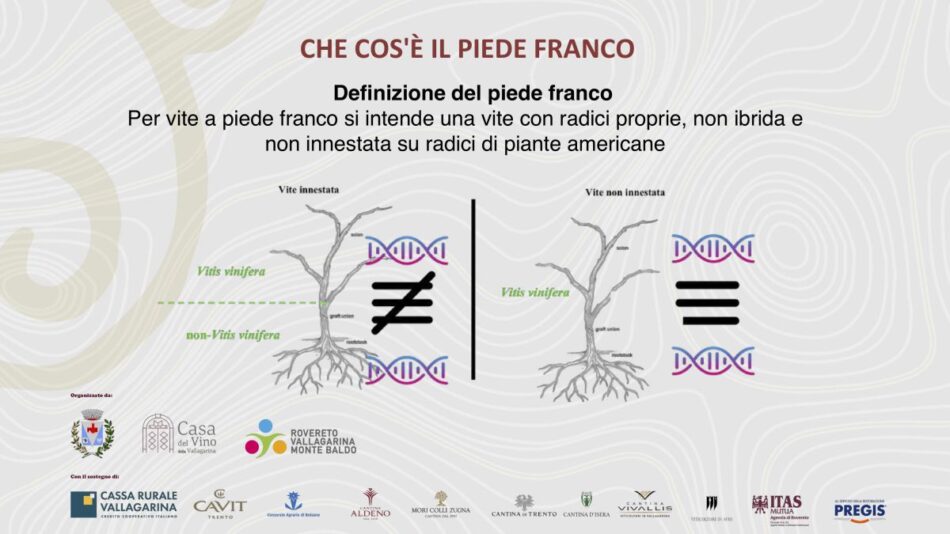
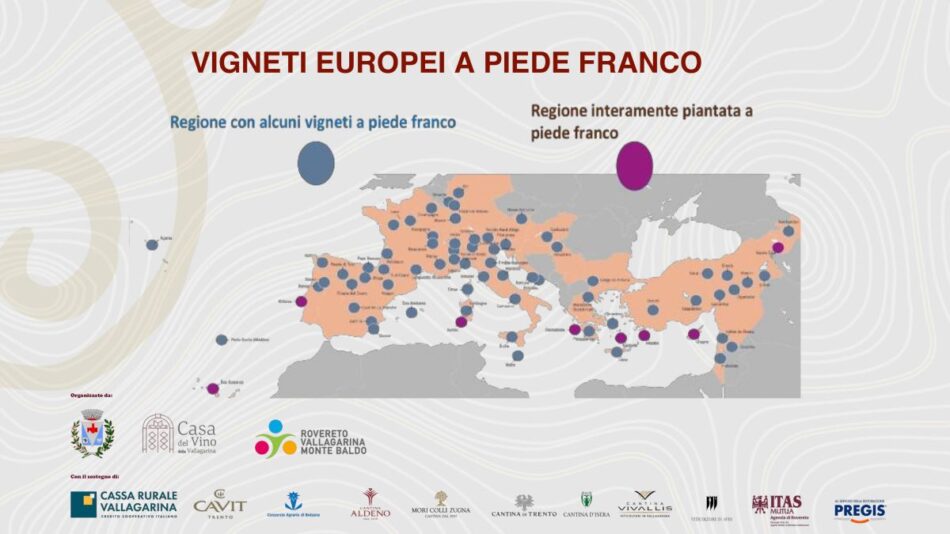
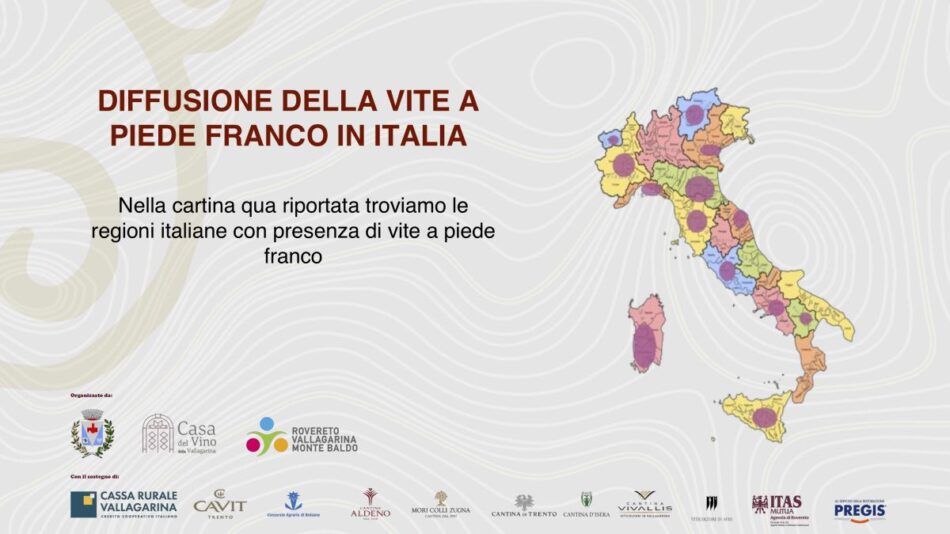
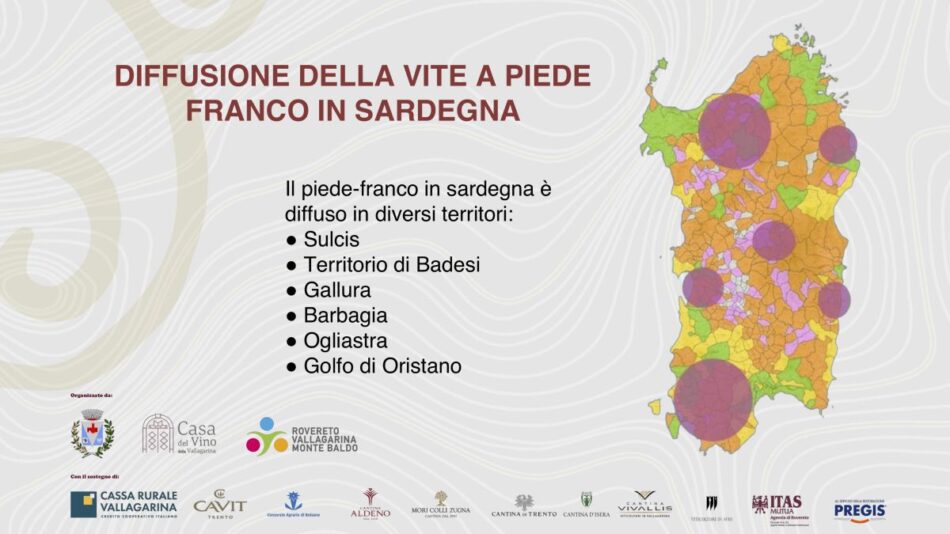
Phylloxera, which arrived from overseas in Europe in 1863, was responsible for the destruction of viticulture in the Old Continent, which was “reconstituted” through the use of American rootstocks resistant to the parasite. Ungrafted vines, in vineyards which are often more than a century old, have resisted phylloxera, preserving their original European roots (Vitis vinifera) thanks to sandy, volcanic, and high-altitude soils which characterize the areas where they still exist today, preventing the insect from surviving or completing its life cycle. In Italy, Sardinia has the largest surface area of “ungrafted” vineyards, with over 430 hectares, while the total Italian hectares are unknown, partly because many of these vineyards are not registered but are found where conditions are suitable and modern viticulture has not replaced them.
In January 2025, an international project was launched from Naples to obtain Unesco recognition for the uniqueness of this heritage during an event organized by the Italian Committee for the Protection of Ungrafted Vines in collaboration with the French association Franc de Pied. This important project is supported by an international network of producers, researchers, enologists, and sommeliers from many countries, including France, Spain, Switzerland, Greece, Turkey, Argentina, and various Italian regions such as Sardinia, Valle d’Aosta, Trentino, Lazio, Basilicata, and Campania. At Vinitaly 2025, during a conference organized by Laore Sardinia with the Department of Agriculture of the University of Sassari, the monitoring and characterization activities of Sardinian ungrafted vineyards were presented. In October, Trentino, at the Casa del Vino in Isera, once again drew attention to these vineyards at risk of “extinction,” with interventions by Silvano Ceolin, president of the Italian Committee for the Protection of Ungrafted Vines, and Murru.
“We are carrying forward this “crusade” with Silvano Ceolin and other friends, as well as with many producers, enolgists, and agronomists throughout Italy who are embracing the cause because they realize that we are losing an extremely important heritage for everyone - explains Mariano Murru to WineNews - we fight to ensure that the tradition of pre-phylloxera vineyards is maintained in the countries where it historically exists and has been carried on for centuries because there are the ideal conditions to do that. It would truly be a shame to lose the biodiversity of these old vineyards because there are countless biotypes and lesser-known grape varieties which could respond to extreme events induced by climate change and produce wines with lower alcohol content and even “new” profiles to meet market demands. Preserving them is essential to protect the strong link between a territory and its history, including its viticultural heritage: once they disappear, nothing can be done except adapt to existing varieties and genetic materials. These vineyards are disappearing because they are not very profitable and, therefore, are being abandoned”.
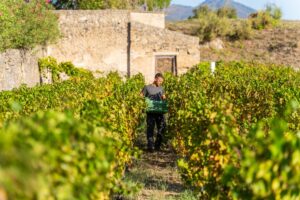
Their abandonment is widespread due to low productivity and high management costs: on the island of Sant’Antioco, where most of Sardinia ungrafted vineyards are concentrated, only 10% of those that existed 30-40 years ago remain. Murru himself has “adopted” some abandoned vineyards about 90 years old, where he harvested grapes with a group of young people fascinated by the opportunity to taste many different grape varieties. “For them, it was an incredible discovery - he explains - they were introduced to the world of the enologist, who imagines from the taste of ripe grapes what the wine will be like, in an experience which can become a unique form of wine tourism”.
Including century-old ungrafted vineyards in wine tourism circuits could help prevent their definitive loss. However, other measures would be immediately effective. “In addition to enhancing their wines - explains Murru - an important step would be to clearly include them in the category of historic and/or heroic vineyards provided for by the Consolidated Wine Law and among those activities recognized and financed, such as ecosystem services for the conservation of biodiversity and landscape”. Various regulatory, bureaucratic, and technical obstacles hinder ungrafted vineyards from meeting the conditions set by Article 7 of the Consolidated Wine Law (Law No. 238/2016). Regarding “historicity,” many surviving ungrafted vineyards lack cadastral records or historical aerial photos proving their age and planting before 1960, the date set by law. Sometimes these vineyards don’t fall under PDO or PGI production, perhaps because they consist of relic or native varieties not always included in production regulations, and it can also be difficult to demonstrate the “special historical and environmental value” required by law. Regions, which are responsible for establishing and managing lists of historic vineyards, adopt different criteria, in addition to respecting the constraint of integral conservation of the historical structure, which prevents modernization. Regarding “heroicity”, many ungrafted vineyards located on sandy plains don’t meet the slope or altitude criteria required. Added to this, there is the small size of plots, often below the minimum required for access to funding.
From past to future: planting new ungrafted vines is prohibited in the European Union to protect existing vineyards from the risk of phylloxera attacks. However, exceptions are allowed for specific areas with sandy, volcanic, and high-altitude soils. For example, some Mediterranean islands such as Santorini, where planting ungrafted vines is a traditional and prevalent practice, and Pantelleria, where the tradition is no longer widespread, benefit from these exceptions. In Italy, Sardinia is the only region that, under pressure from winegrowers, particularly on the island of Sant’Antioco, has legislated on the matter, allowing exceptions to the grafting requirement for new ungrafted plantings in sandy soils (with >60% sand), requiring a granulometric soil analysis and the use of certified virus-free plant material. Through the project “Caratterizzazione e Valorizzazione della Viticoltura di Montagna e delle Isole minori” - “Characterization and Enhancement of Mountain Viticulture and Minor Islands” by Laore Sardinia with the University of Sassari, about 350 hectares of ungrafted vineyards have been identified on the two minor islands of Sant’Antioco and San Pietro. “Future goals - concludes Mariano Murru - include creating a regional geographic archive of ungrafted viticulture and a massal and clonal selection plan for Cannonau, Carignano, and Vermentino based on these vines, defining guidelines for the “certification” of ungrafted vines, and characterizing the wines produced from them”.
Copyright © 2000/2026
Contatti: info@winenews.it
Seguici anche su Twitter: @WineNewsIt
Seguici anche su Facebook: @winenewsit
Questo articolo è tratto dall'archivio di WineNews - Tutti i diritti riservati - Copyright © 2000/2026