


Wednesday 28th of October 2026 - Last Update: 17:39





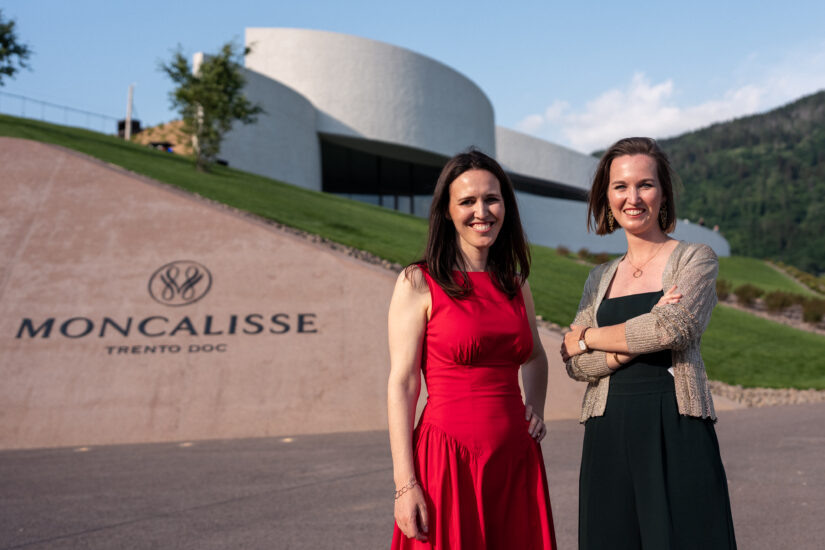
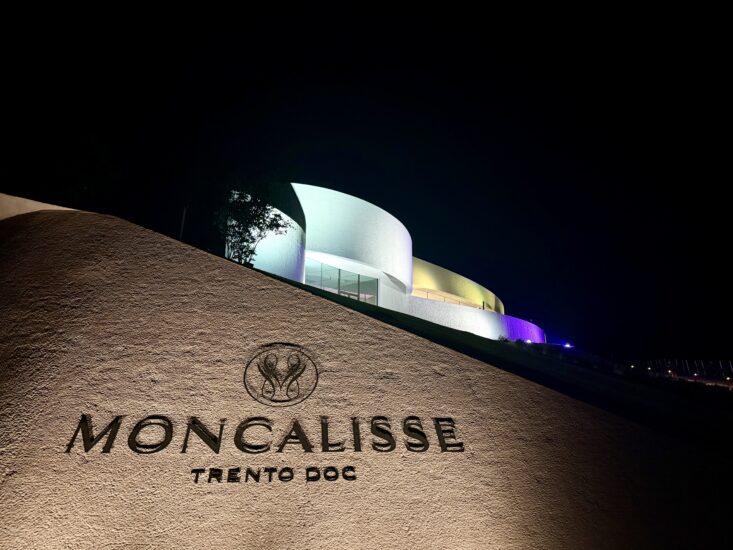
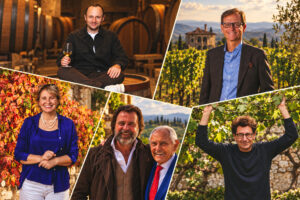
With an unusual journey which saw them “bring together” their South Tyrol with neighboring Trentino, under the banner of Trentodoc, with joy and emotion Julia and Karoline Walch, who run the renowned South Tyrolean winery together with their mother Elena Walch, officially inaugurated, 10 years after the start of the project and with an investment of 8 million euros, their new Moncalisse winery in Civezzano (Trento), northeast of Trento at an altitude of 600 meters, in the Trentodoc production area. Their goal is to produce 100,000 bottles within 8-10 years, also focusing on hospitality for those who appreciate refined living, design, and wish to immerse themselves in the world of “mountain sparkling wines”.
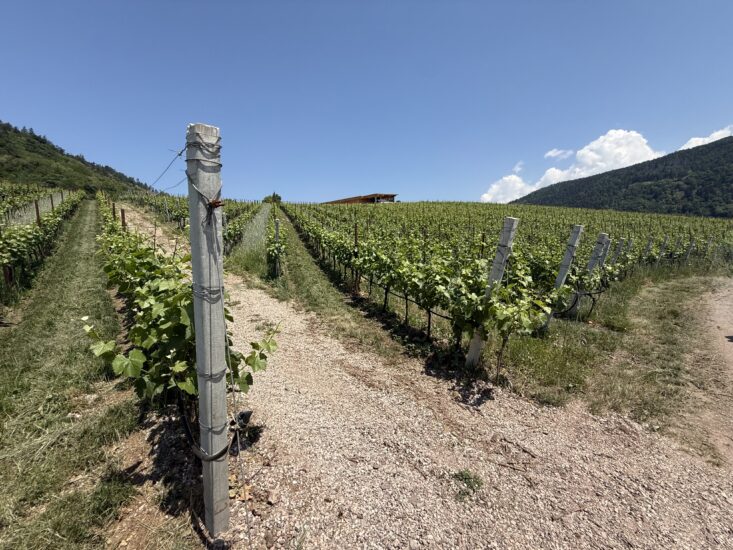
“It was 2016 when we discovered this extraordinary vineyard on the slopes of Monte Calisio (from which the estate takes its name), opening like a natural amphitheater, with views stretching from the Adige Valley to Valsugana, protected by mountains behind it”, recalled the Walch sisters, adding that “it’s not easy to explain in words, it was one of those moments when you feel that the place is choosing you. The latitude, the microclimate, the geological complexity, the presence of a noble parcel of old Chardonnay vines, and also the symbolic and almost esoteric dimension this site has preserved since ancient times are the elements that made us realize something new had to be arisen here, something worthy of being told with its own identity. It was a combination of many factors and ideal conditions to create a sparkling wine of great elegance, finesse, structure, and above all longevity. And so Moncalisse arose, with the ambition that its wines represent the territory, reflect the identity of their origin, the freshness of the Alps, the minerality of the soil, the depth and complexity of old vines, right through to long bottle aging”.
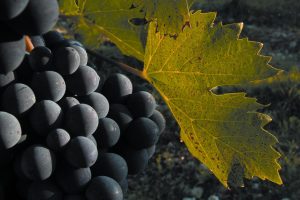
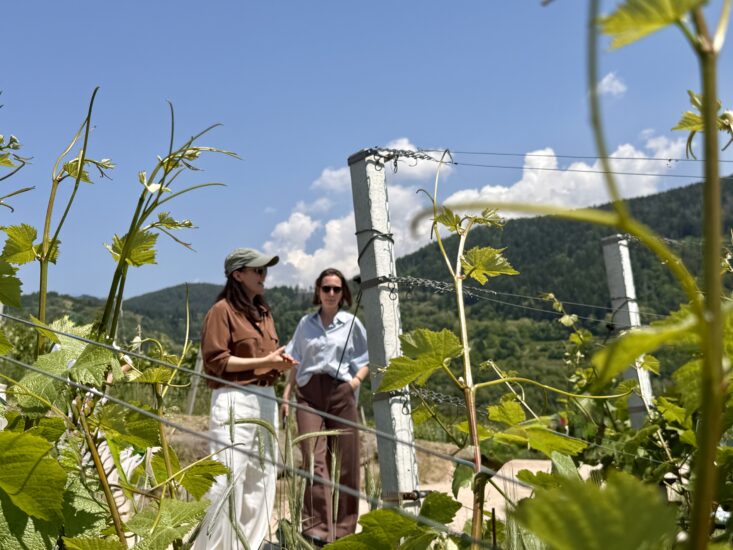
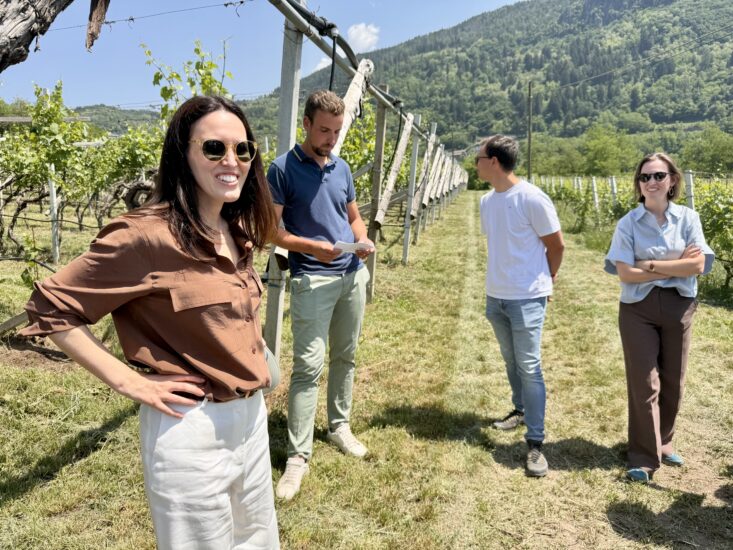
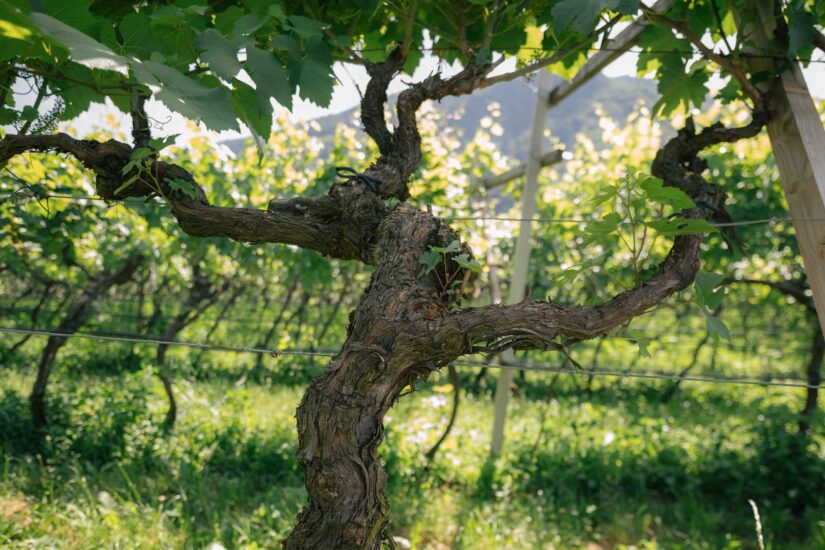
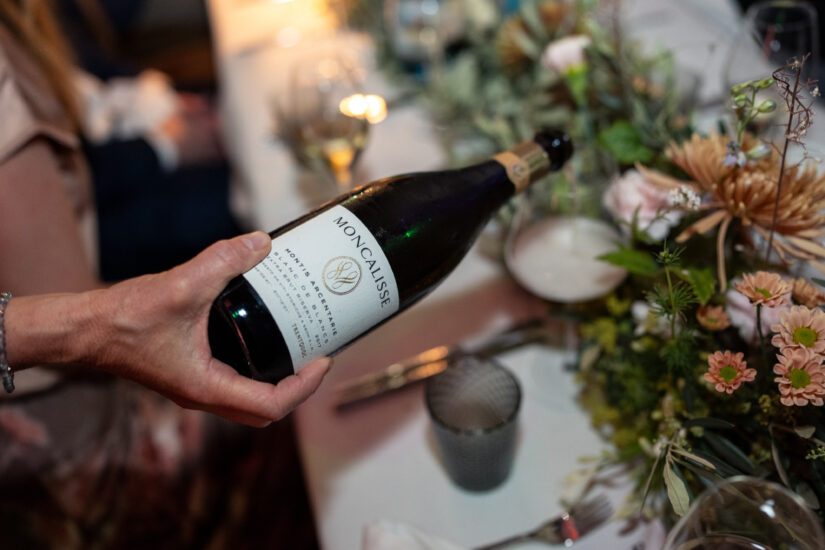
The “noble parcel”, with pergola-trained Chardonnay vines over 65 years old, is the heart of the project that gives life to Montis Arcentarie Blanc de Blancs Extra Brut Riserva, Moncalisse flagship Trentodoc. “When we arrived, the vineyard was almost abandoned - explained company agronomist Michael Dezini during the vineyard visit - but the old vines have very deep roots, capable of withstanding water stress and producing concentrated, rich grapes. We restored the vineyard while preserving the historic plants, which are a true viticultural heritage of the area. Sustainability is a pillar of our agronomic management: permanent grass cover, self-produced compost, no herbicides or synthetic fertilizers, and the use of weather stations and tensiometers to minimize irrigation and treatments. For us, it is not marketing, it is the only way to ensure healthy, long-lived vines”.
“South-facing exposure and constant ventilation, together with strong temperature variations, ensure perfect phenolic ripeness - added winemaker Stefano Bolognani - resulting in long-lived, balanced wines with great concentration”.
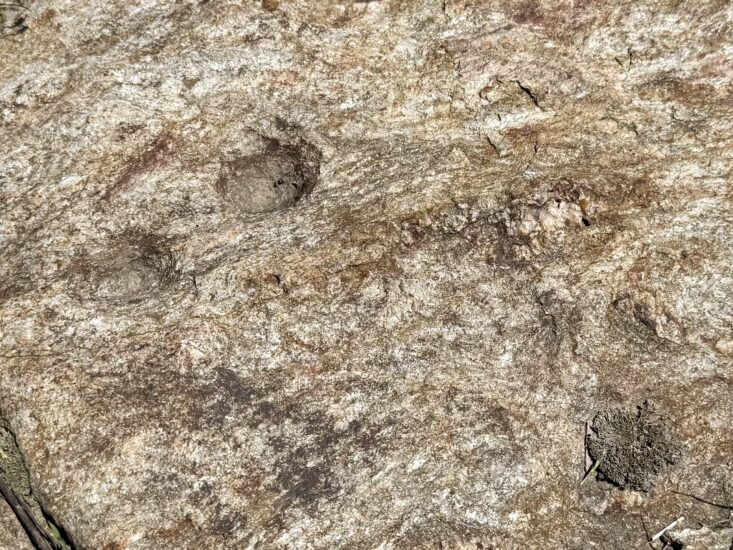
This old vineyard also preserves a cultural and historical soul dating back thousands of years. Among the rows, there are prehistoric “cup marks”, small cavities carved into rock dating back to the Bronze and Iron Ages. “We are on a plateau that has always been a natural crossroads - explains Ivan Pintarelli, director of the Argentario Ecomuseum - these cup marks were votive and symbolic places, and in the Middle Ages this area became a center for the extraction of silver-bearing galena, which made Trento famous and wealthy through the minting of silver coins”.
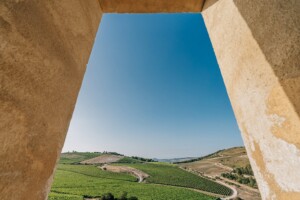
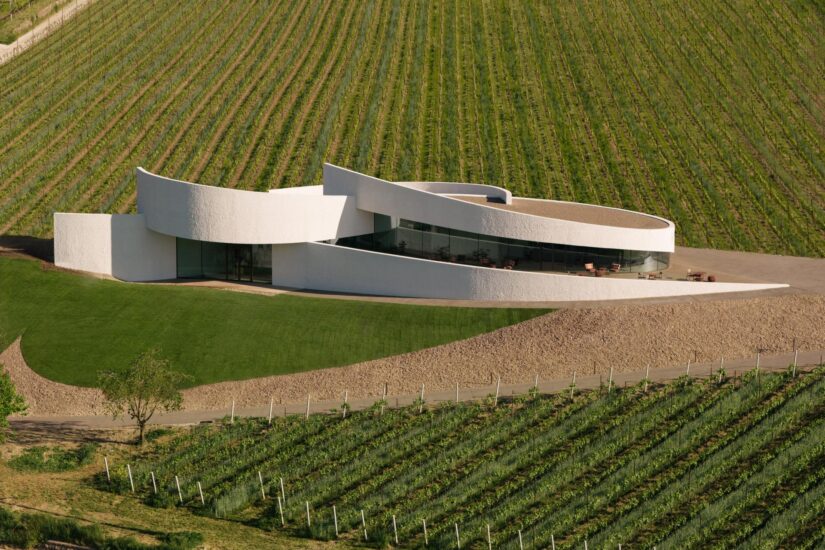
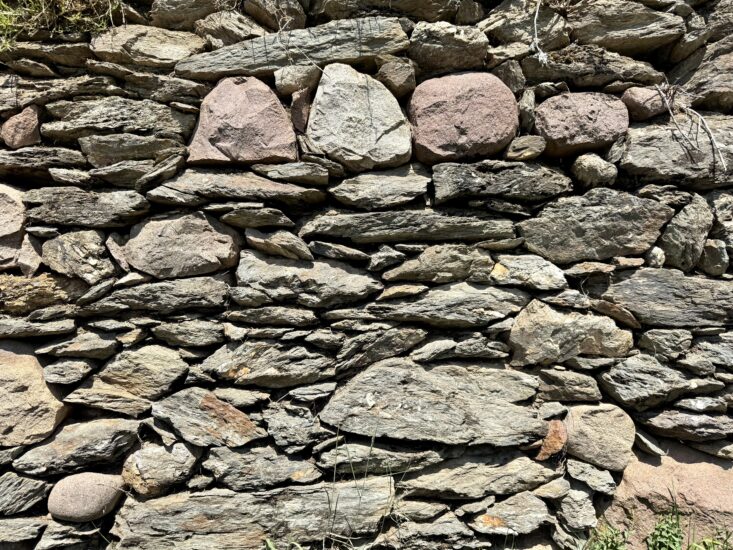
The winemaking project - also benefiting from the collaboration of Odilon de Varine, renowned winemaker from Champagne, who acted as a facilitator “to provide a broader perspective and an external viewpoint - foresees the production of only Trentodoc Riserva wines from Chardonnay and Pinot Noir grapes, with very long aging periods ranging from 56 to 80 months. Starting from the 2025 harvest, these wines have found their “home” in a structure/sculpture designed by South Tyrolean architect David Stuflesser, together with partner Nadia Moroder, in harmony with the surrounding territory. “From the very beginning of the project in 2021, our goal - explained David Stuflesser - was to integrate the winery into the landscape, respecting the nature and history of the area, while also creating something new and lasting. The winery is divided into two parts: an underground functional section for production and an above-ground visible section, conceived as an elegant, sinuous building, almost feminine. We wanted to translate the idea of vineyard dry-stone walls into architecture: the white plaster evokes limestone and the brightness of the bubbles. In this way, the silence of the cellar merges with the visual impact of the exterior in a space with an almost mystical character, like a cathedral”. The architecture develops through a dialogue between two worlds: the hidden and silent one of the underground structure, where production takes place, and the visible, open one of the emerging part, designed to express the identity of Moncalisse and welcome visitors into the world of Trentodoc sparkling wines, with guided tours of the winery and vineyards, masterclasses with dedicated tastings, and a route completed by a new bistrot. Placing most of the volume underground allows the natural temperature of the soil (around 13 degrees) to be exploited, ensuring the consistent thermal conditions required for long aging under Metodo Classico. In this hidden space, even grape processing follows the architecture: vinification takes place entirely by gravity, a principle that preserves the raw material with extreme gentleness to ensure the highest quality standards.
“We were already able to vinify grapes from the 2025 harvest, but it took two years and 8 million euros to complete the works, including the areas open to the public - explained Karoline Walch told WineNews - we currently produce about 13,000 bottles, with the goal of reaching 100,000 bottles within a maximum of 8-10 years”. This significant investment was supported by Julia and Karoline parents “because” - their mother Elena Walch explained to WineNews - we saw how motivated and determined they were to follow their own path. 5 years ago, we stepped aside to let them take full responsibility, even refraining from giving advice, as often happens between parents and children”. “A special thanks goes to our parents, who followed the construction of the winery step by step, passing on trust and a sense of responsibility - the Walch sisters confirmed concluding the presentation of the nre structure - a thought our father left us continues to guide us: never take for granted the privilege of working such precious land, to preserve what we have received and pass it on to future generations at least in the same condition, if not better. Every generation leaves its mark: our ancestors founded the Walch estate in 1869, our mother built the reality you know through her entrepreneurial vision, and today it is up to us, with enthusiasm, respect, and responsibility, recalling that we are only temporary custodians of this heritage”.
Copyright © 2000/2026
Contatti: info@winenews.it
Seguici anche su Twitter: @WineNewsIt
Seguici anche su Facebook: @winenewsit
Questo articolo è tratto dall'archivio di WineNews - Tutti i diritti riservati - Copyright © 2000/2026