


Saturday 14th of March 2026 - Last Update: 18:35



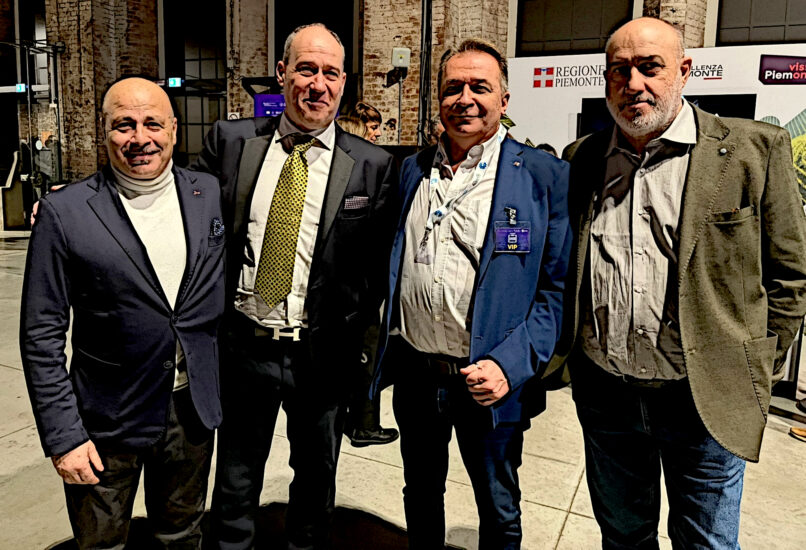
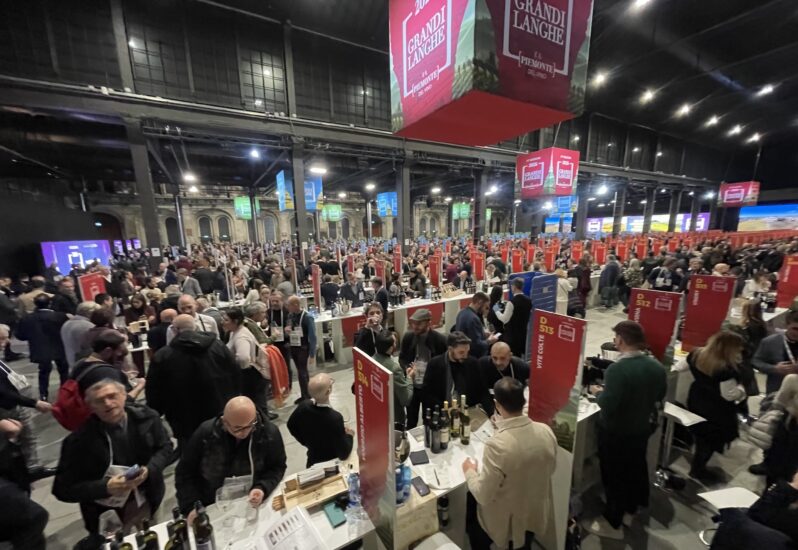
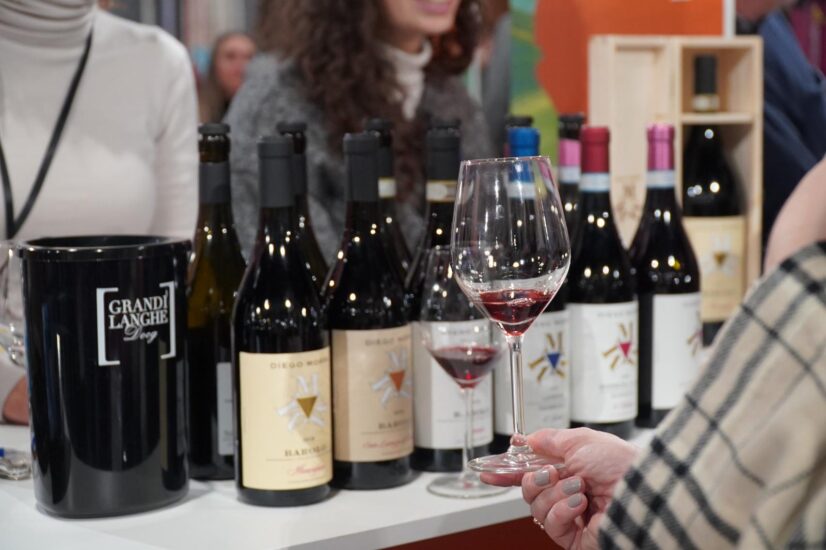
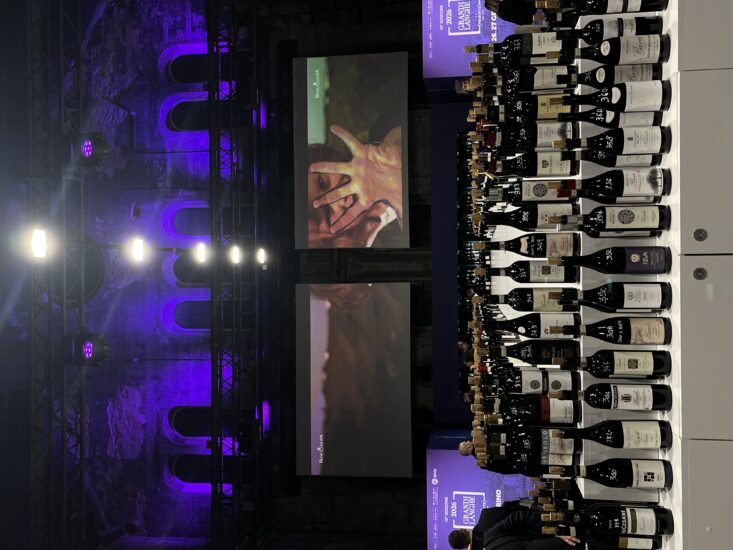
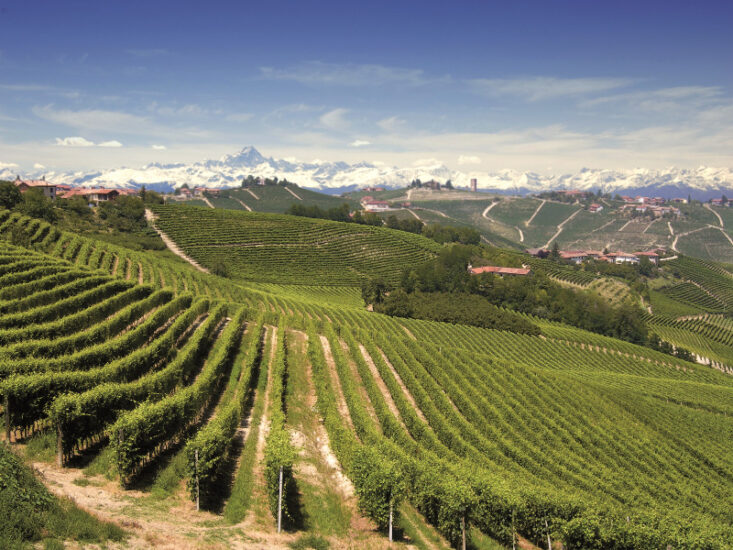
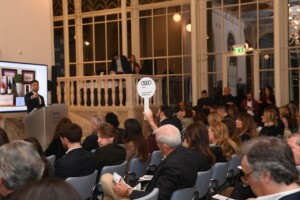
The Mole Antonelliana, the (former) Fiat, Juventus, Nutella, hazelnuts, Fassona beef, white truffle and, of course, great wine. These are just some of the many symbols that evoke Piedmont. Piedmont, even before the individual food and wine denominations of this region, rich in history, the “cradle” of unified Italy and one of the engines of the country's economic boom. A name, Piedmont, which may soon be allowed on labels, for those who wish, alongside the great and better-known (and more highly quoted) wine denominations of Piedmont, from Barolo to Barbaresco, to Barbera to the smaller or lesser-known ones, from Roero to Freisa d’Asti, from Dolcetto to Brachetto, from Dogliani to Grignolino d’Asti. This is because practically all Piedmontese wine consortia have embraced the proposal launched in 2025 by “Grandi Langhe e il Piemonte del Vino” - “The great Langhe and Piedmont of Wine”, and now, a year later, the goal is near. If bureaucratic steps and regulation updates proceed swiftly, the 2026 harvest could already see the first wines carrying “Menzione Geografica Allargata” - the “Extended Geographical Mention” on the label (with the idea that for some wines released several years after the harvest, a “retroactive” rule may apply, ed). One more tool to enhance Piedmont wine heritage, which every year generates well over 1 billion euros in exports (553 million euros in the first 6 months of 2025, according to Istat data), nearly 15% of the national total, with a 2025 production of over 2.1 million hectoliters, 93% of which are denomination wines (60 PDO wines, including 19 DOCGs and 41 DOCs), worth 1.1 billion euros at production value, grown on more than 43,792 hectares of vineyards (7% of Italy total). This is one of the topics of “Grandi Langhe e il Piemonte del Vino” 2026, the edition No. 10 of the professional showcase created by the Barolo, Barbaresco, Alba, Langhe and Dogliani Consortium and the Roero Consortium, now also supported by the Piemonte Land of Wine Consortium. The event is dedicated not only to the new vintages of Barolo, Barbaresco and Roero, but also to all other wines that express the wine excellence of the Piedmont hills, and takes place today and tomorrow at the OGR-Officine Grandi Riparazioni in Turin. With more than 500 wineries from across the region, led by Langhe and Roero, but also including areas such as Tortonese, Ovadese, Chierese and Canavese, the event increasingly involves producers who demonstrate how the showcase has become the en primeur event of all Piedmontese wine. The region, in fact, is working to promote itself as a united front, starting from the labels of its excellences, as explained to WineNews by the leaders of some of the main regional wine consortia and by the Regional Councillor for Agriculture of Piedmont Paolo Bongioanni (here is our audio interview).
According to Francesco Monchiero, president of the Piemonte Land Consortium, which brings together all the most important wine consortia of Piedmont, “this will certainly be a very significant step forward, because we tend to assume that people, the final consumers, know all our 425 Italian denominations, of which Piedmont probably has the most, since we have as many as 60, and perhaps not even all of us Piedmontese producers know them. But one thing is certain: consumers around the world have already heard the word “Piedmont” for many reasons. And wine is certainly one of the most frequent - explains Monchiero - because thanks to our producers, and especially thanks to certain denominations, Piedmontese wine has now reached the four corners of the world. So people know that Piedmont is one of the most important quality-producing regions. It is a simplification for the final consumer, who will be able to find on the label the names of denominations which represent specific territories, for example Freisa di Chieri, which we Piedmontese know well, but which may mean nothing to people elsewhere in the world. And if we add Piedmont, then a consumer who already appreciates Piedmontese wines might feel curious, reassured, and perhaps more inclined to try that wine”. An important change, then, now approved by all regional denominations, and which “should come into force with the 2026 harvest, so starting in 2027 we might see the first labels carrying the name of the denomination followed by Piedmont. And it will be important that, especially for denominations with long aging periods, the rule can be “retroactive”, thus applying to previous vintages”.
Sergio Germano, president of the Barolo, Barbaresco, Alba, Langhe and Dogliani Consortium, shares the same view: “it is a very interesting project, which will need to be incorporated into each individual set of production guidelines. But the idea is to present ourselves under the banner of an important region, perhaps less well known than others because it has had many different identities, but which we now want to bring together as we do at “Grandi Langhe”. The event was originally created by Langhe and Roero, but later came to include the full diversity of Piedmontese wine production: I believe it sends a strong message to the world. Because if a city or a denomination is just a tiny dot on a map, a region is larger, easier to place geographically, and it may even spark the desire to visit Piedmont and discover the small particularities of each territory. And, I think this is important for all denominations. Even Barolo and Barbaresco are more famous than others, but many times when we travel abroad people ask whether we are in the north or the south of Italy. So I think that beginning to offer one more piece of clear information, promoted and shared by a great number of producers and messages, is certainly helpful”.
“In Piedmont, all wine is tied to food, and therefore the idea of communicating the territory—in the broadest sense through its excellent wines, which are in turn linked to excellent foods, under the name Piedmont, is, in my view, a powerful driver for everyone - adds Filippo Mobrici, vicepresident of the Barbera d’Asti and Monferrato Wines Consortium - so I believe the wine world did well to embrace this idea, suggested by the Agriculture Councillor Paolo Bongioanni, because it allows us to promote the entire territory as a whole”. And if, as mentioned, all consortia have embraced the idea, it is now important that the wineries do the same, starting with the most prominent ones. “Yes, because brands matter, but naturally - says Mobrici - a brand works for itself, for the company it represents, whereas the Piedmont label represents an entire territory. But if the brands of individual companies support this project, the result is essentially guaranteed. Our task, as institutions and consortia, is to encourage these major producers, already present on the market, to make greater and greater use of the Piedmont’ label”.
This is a process the Piedmont Region has supported from the very beginning and will continue to support, even by allowing the possibility of retroactivity, as mentioned, for past vintages still in the cellar, as explained by the Agriculture Councillor Paolo Bongioanni himself. “I attended nearly all the assemblies of the various consortia, meeting representatives of all denominations and presenting the project. There was unanimous support, which led to a positive vote on the regulatory changes allowing the word “Piemonte” on labels. Not everyone, of course, when reading the word “Piemonte”, will know exactly what it means, but they will know that it stands for quality because Piedmont means quality. They will know the wine will be high-level and will associate it with something positive. If there is a desire to discuss retroactivity, all the better, it will certainly help build this new path for Piedmontese viticulture”.
Copyright © 2000/2026
Contatti: info@winenews.it
Seguici anche su Twitter: @WineNewsIt
Seguici anche su Facebook: @winenewsit
Questo articolo è tratto dall'archivio di WineNews - Tutti i diritti riservati - Copyright © 2000/2026