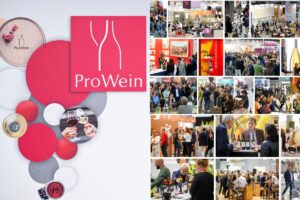





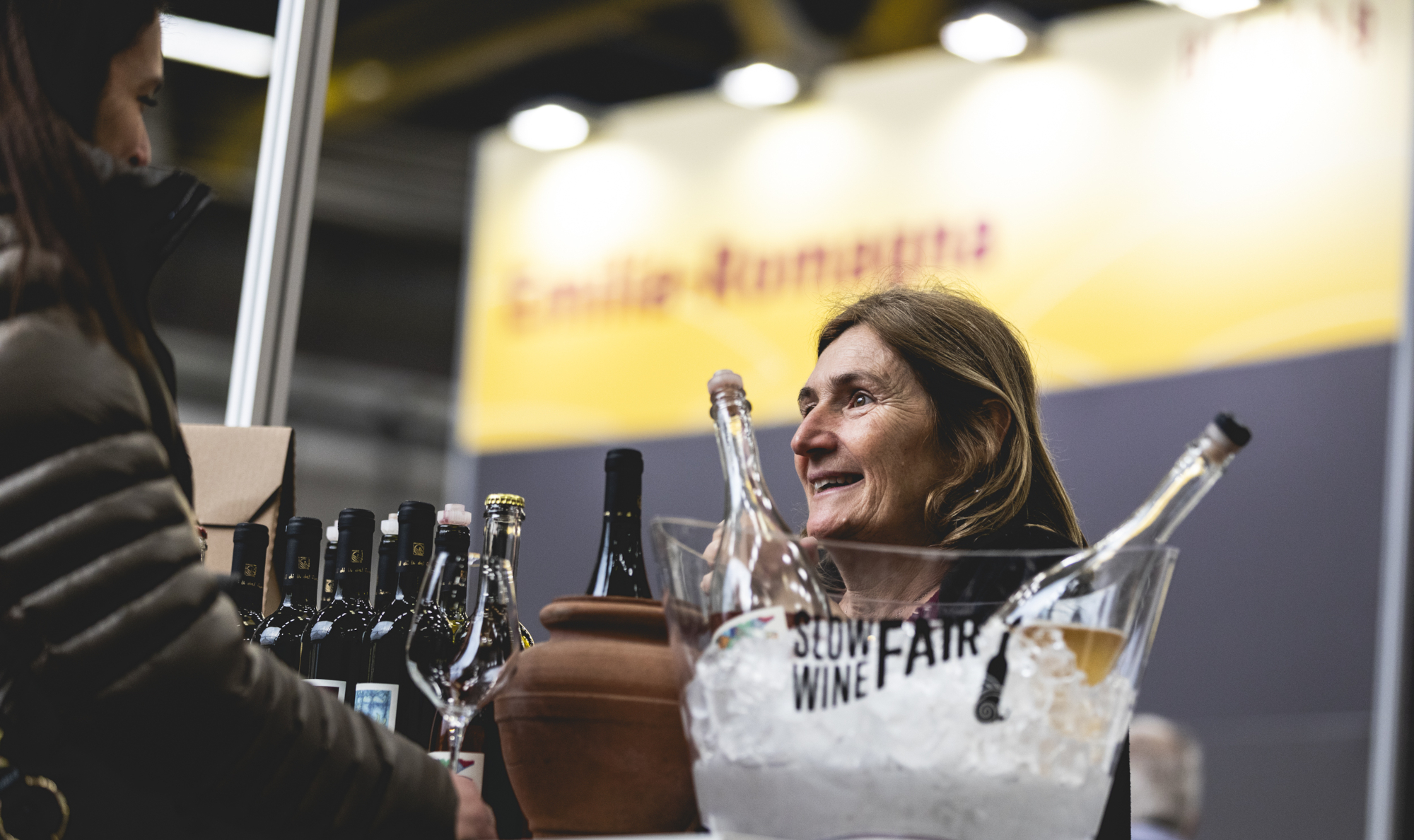
A key business moment, as every trade fair should be, especially in a complex market phase like the one wine has been experiencing for several years, but also a platform for reflection on important issues such as gender equality, the depopulation of internal areas, and not only: this is what the Slow Wine Fair 2026 will be, taking place at BolognaFiere from February 22nd to 24th, once again in synergy with Sana Food (consolidating Bologna role as a wine hub, alongside events such as Champagne Experience of Excellence Sidi which brings together Italy leading fine wine distributors, and Mercato dei Vini dei Vignaioli Indipendenti della Fivi - Fivi Independent Winemakers Wine Market, ed), the fair will also focus on “the positive impact wine can have on territories and communities, as a driver of development and social inclusion”.
Over 1,000 exhibitors are expected for the fifth edition of the Slow Wine Fair, which, as explained today by Gianpiero Calzolari, president of BolognaFiere, and Giancarlo Gariglio, coordinator of the Slow Wine Coalition opens a new front for reflection and dialogue: that of fair wine, exploring the social dimension of the wine supply chain. “After examining soil health, packaging, and logistics as key elements of sustainability, the 2026 edition broadens its perspective placing at the center not only the organoleptic and environmental quality of wine but also its impact on people and communities. A truly good and clean wine, according to Slow Food vision, must also be fair: produced without exploiting workers and territories, capable of generating shared value, respectable work, inclusion, and new opportunities”.
These are the themes that make Slow Wine Fair 2026 a space for dialogue among producers, experts, researchers, consortia, institutions, buyers, and Horeca professionals. Through conferences and meetings - both online starting in January and in person at the fair - the event invites reflection on “the social role of wine as a tool for integrating foreign workers, promoting female and youth entrepreneurship, and regenerating highland areas, often marginalized but rich in potential. A complex challenge that has no single answer but requires vision, alliances, and bold production choices”.
“Slow Wine Fair confirms itself as a platform that combines cultural value, international vision - said Gianpiero Calzolari, president of BolognaFiere - and a supply chain increasingly more attentive to sustainability. The theme of fair wine broadens the view of the social dimensionof the sector focusing on respectable work, inclusion, and responsibility toward territories. For BolognaFiere, Slow Wine Fair and Sana Food represent key events dedicated to the Horeca channel and the quality of out-of-home consumption, areas where we aim to generate content, connections, and new business opportunities. The synergy with Slow Food strengthens this path toward building an ecosystem that promotes skills, responsibility, and a food and wine culture capable of creating value for the entire supply chain”.
“With the 2026 edition of Slow Wine Fair, we want to clearly state - added Federico Varazi, vicepresident of Slow Food Italy - that wine quality can’t be separated from work quality. Talking about a wine that is “good, clean, and fair” means taking political responsibility toward territories and the people who inhabit them. Today, in an economic system which rewards a race to the bottom, it is unacceptable that agriculture and hospitality, sectors which symbolize our cultural identity, are among the most exposed to labor exploitation and illegal recruitment. Defending agricultural work means defending rural communities, guaranteeing dignity to migrant workers, and creating opportunities for young people and women who want to build businesses in rural and highland areas. It also means advocating for a different development model, capable of generating widespread wealth rather than profits concentrated in a few companies. Every bottle of wine tells all this: how the vineyard is cultivated, the relationships between producers and workers, the care or neglect of territories. This is why we ask wine drinkers to make a political and cultural choice, not just a gastronomic one. Because social and environmental justice are not an accessory to wine, they are its essence”.
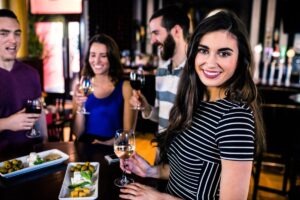
“At the fifth edition of Slow Wine Fair, we can take stock of the identity the fair is assuming. First of all - emphasized Giancarlo Gariglio, coordinator of the Slow Wine Coalition - the extremely high quality of the wineries involved, selected both for their wines and for the agricultural and winemaking practices they employ. Equally distinctive is the percentage of certified organic, biodynamic, or transitioning producers, which exceeds 60%. This great homogeneity among exhibitors means the Fair now attracts a high-level audience of Italian Horeca operators - also thanks to “Premio Carta Vini Terroir e Spirito Slow” - the “Terroir and Slow Spirit Wine List Award” which continues to grow in both candidates and winners - and interest is also increasing among foreign operators who have realized something important is happening in Bologna. But the Fair is not just about wine. For other sectors as well - recalls Gariglio - our commitment is to excellence, as seen in the selection of bitters, the roasters bringing some of the best Italian and international coffees, and the offerings of ciders and spirits, which are also growing this year. Alongside the uniqueness of the products presented, Slow Wine Fair stands out for initiating debate on issues related to environmental sustainability, landscape protection, and social justice in agriculture. And, moreover, it engages a young audience of enthusiasts, the real segment of consumers who seem less close to wine consumption but may simply need to discover the product from a perspective which is more aligned with their ideas”.
Nevertheless, the fair remains a business moment, as underlined by Brunella Saccone, executive at Ice - Agency for the promotion abroad and internationalization of Italian companies, who highlighted “the cutting-edge themes and trends emerging from Slow Wine Fair. In its four previous editions, it has grown in international interest, with increasingly significant attention from buyers, because Bologna truly creates the conditions for meaningful encounters with small realities we can call heroic: tiny companies to which the Bologna fair offers the chance to create new commercial connections”.
And, as mentioned, Slow Wine Fair will once again take place alongside Sana Food, the professional format dedicated to healthy, sustainable, and quality food for the Horeca channel and specialized retail. The 2026 edition marks a further step forward in the collaboration between BolognaFiere and Slow Food: for the first time, Slow Food Promozione will officially enter the Sana Food Pavilion bringing producers from Slow Food networks, training sessions, tastings, and discussions on the main challenges of the agri-food sector. Thanks to a single ticket, adjacent pavilions, and shared values, the synergy between Slow Wine Fair and Sana Food creates an integrated platform which combines food and wine, business and culture, with the goal of offering professionals concrete tools to meet the growing demand for responsibility, transparency, and sustainability.
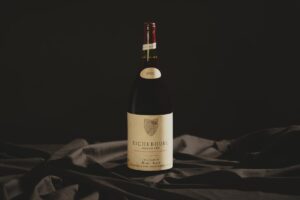
As for wine, there will be more than 1,000 wineries from Italy and abroad, with winemakers and vignerons at Slow Wine Fair who “share the commitment of “Manifesto per il vino buono, pulito e giusto” - the “Manifesto for good, clean and fair wine” putting into practice principles of environmental sustainability, respect for landscape and terroir, enhancement of farming communities, and protection of biodiversity”. Among the novelties, there is a new area dedicated to old vintages, provided by Banca del Vino di Pollenzo - the Wine Bank of Pollenzo after 20 years of activity, featuring rare bottles and hard-to-find vintages, often absent even from their original wineries. “Slow Wine Fair thus becomes an opportunity to taste these wines accompanied by stories of their journey. The experience includes two formats: daily rotation of labels in the Wine Emotion and Temporary Tastings, more intimate and scheduled events”. Also selections of bitters, spirits, ciders, and coffee are present, while “Premio Carta Vini Terroir e Spirito Slow” - the “Terroir and Slow Spirit Wine List Award” will return as said.
Copyright © 2000/2026
Contatti: info@winenews.it
Seguici anche su Twitter: @WineNewsIt
Seguici anche su Facebook: @winenewsit
Questo articolo è tratto dall'archivio di WineNews - Tutti i diritti riservati - Copyright © 2000/2026