


Wednesday 25th of March 2026 - Last Update: 19:22






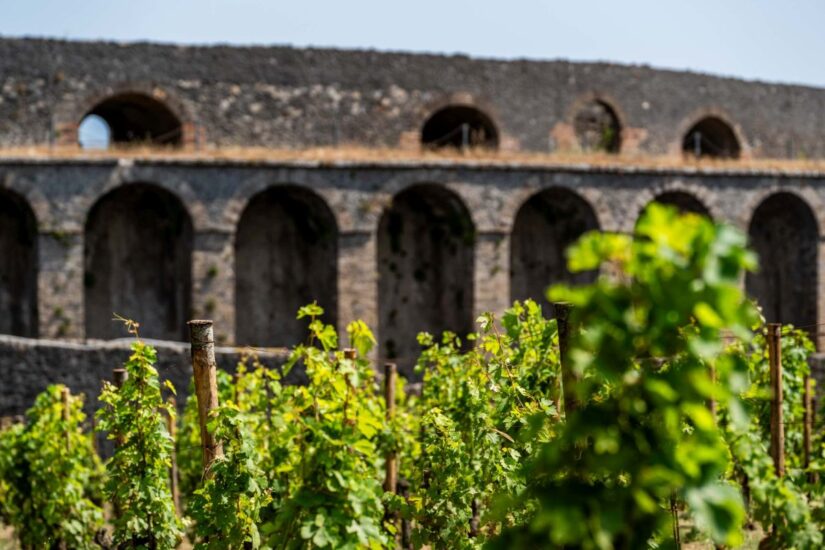
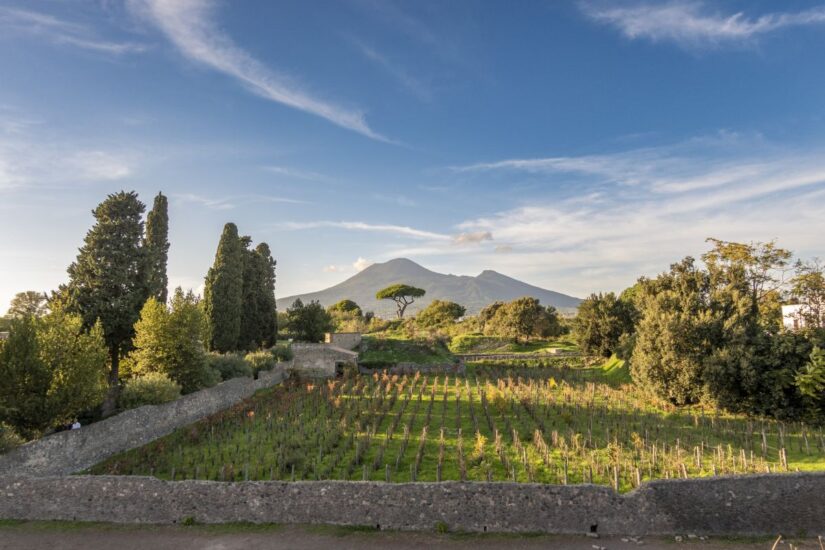
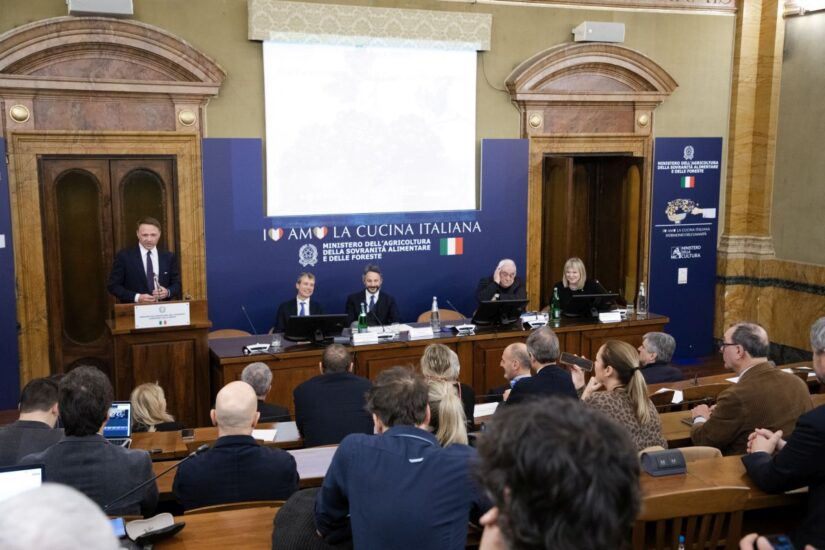
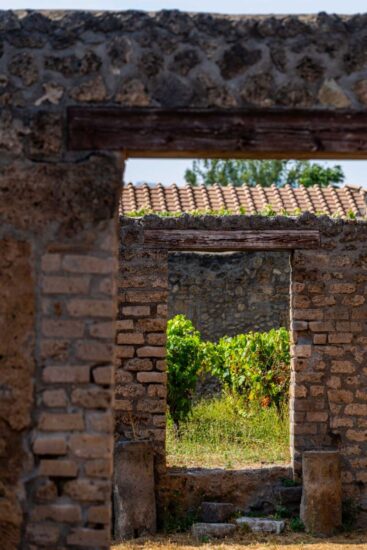
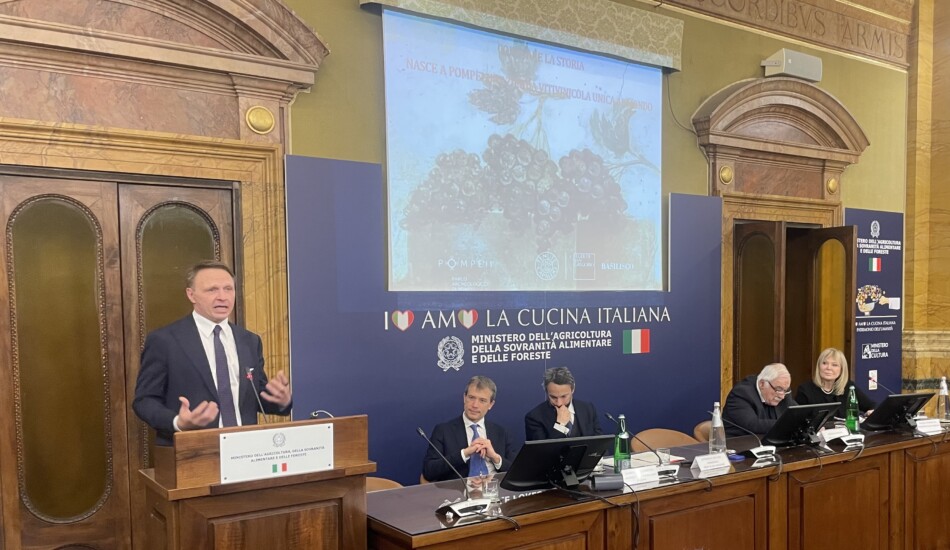
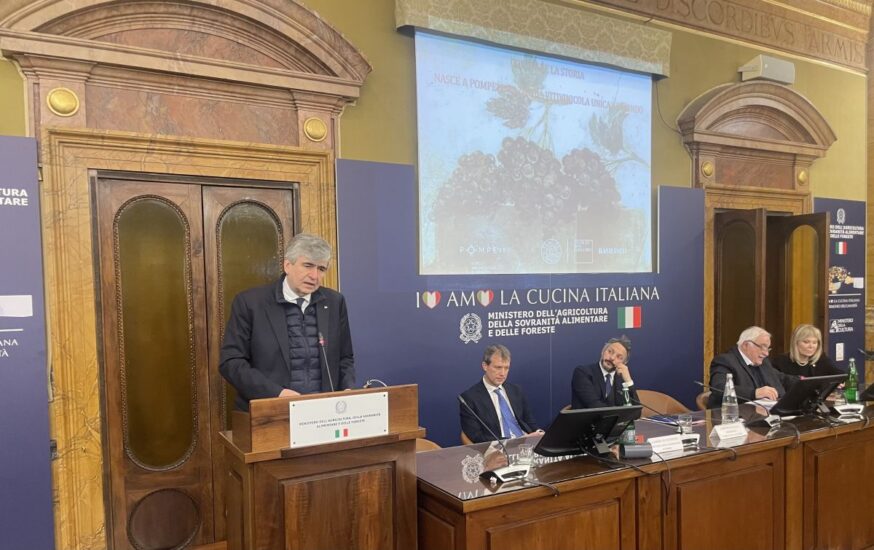
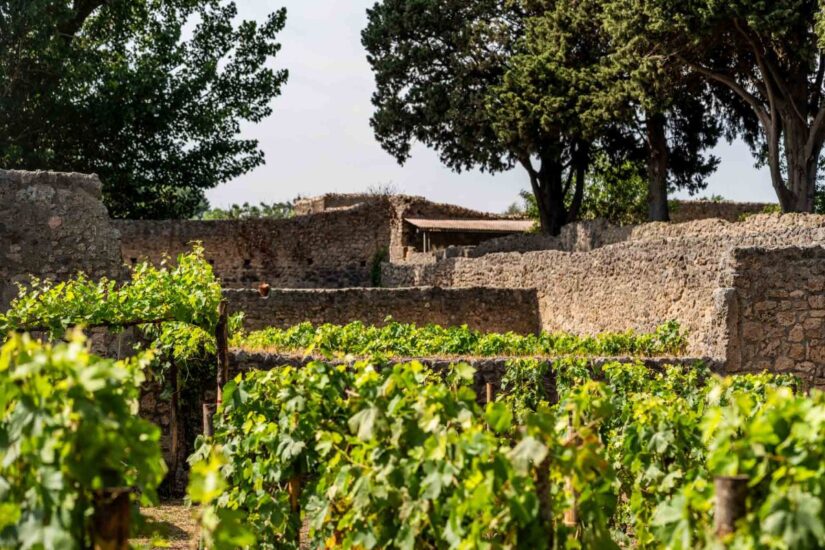
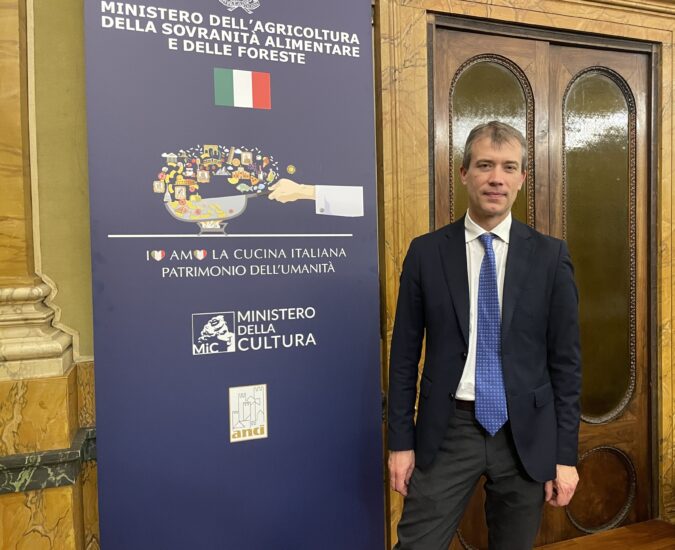
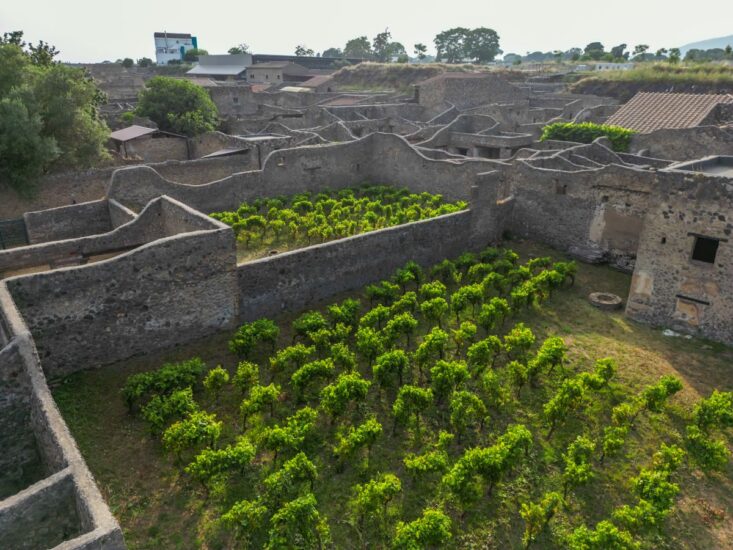
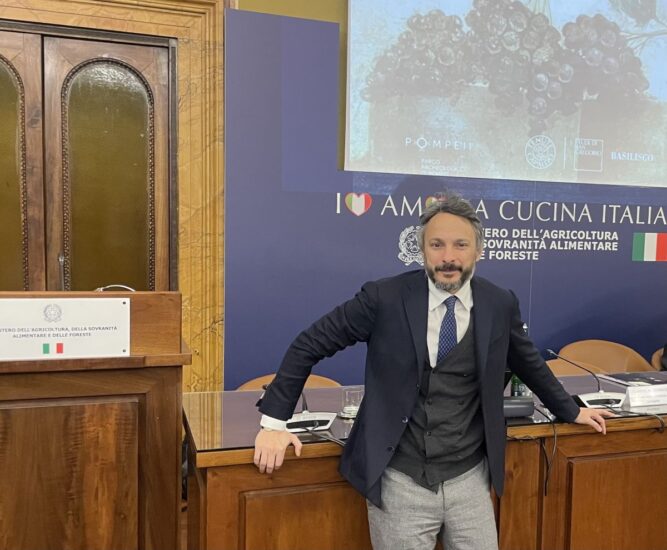
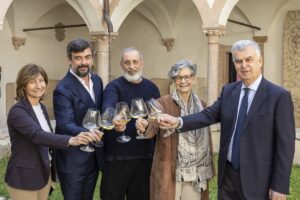
A true “archaeological vineyard” which, over time, will exceed 6 hectares, with local native grape varieties growing on soils untouched for over two thousand years along with the creation of a winery featuring a complete production cycle and organic management. Winemaking and aging facilities will be built within the perimeter of the Park, bringing back the production of “Pompeian wine”.. This wine is unique in the world not only because, thanks to Italian enological expertise, it is rearisen from antiquity among the ruins of the Roman city buried by the eruption of Vesuvius in 79 AD, an iconic place of Italian beauty and world culture, but also because it narrates the importance of wine in our civilization. A new chapter is taking shape for viticulture and for the cultural and natural heritage of Pompeii, of Italy, and of the world, thanks to a special public-private partnership between the Archaeological Park of Pompeii and the Tenute Capaldo Group, particularly the wineries Feudi di San Gregorio and Basilisco - the project builds on extensive research on local native grape varieties and their cultivation over the centuries, in collaboration with Attilio Scienza, professor of Viticulture at the University of Milan and one of the world leading experts in the field, as well as on the consolidated agronomic expertise of Feudi di San Gregorio and its production manager, Pierpaolo Sirch, an agronomist of international renown - and, who,today, at the Ministry of Agriculture in Rome, they presented the project currently being implemented in Italy most famous archaeological site, and one of the most important in the world which surpassed 4 million visitors from all corners of the planet in 2025.
“Today we need to tell the story of wine again to generations who may know it less. For previous generations, the relationship with the countryside was something normal, part of a food system in which families explained and taught even moderate wine consumption”, underlined Agriculture Minister Francesco Lollobrigida to WineNews. He described the Pompeii project as a virtuous collaboration between public and private sectors, “replicable in other parts of Italy”. This cooperation between the world of wine and that of culture is “the right one, because wine is much more than a beverage or a food; it is not just alcohol, as the Minister himself rightly noted, but much more, it is culture - reiterated Gianmarco Mazzi, undersecretary for Culture - and, it tells a story that spans millennia of human history. It is unquestionably a heritage to protect”.
The Tenute Capaldo Group, as we have reported since the project launch, following it step by step for its significance not only to wine but also to Italy cultural heritage - will support the Park in the management and historical valorization of the vineyards within the archaeological site. The group draws on experience gained in recent years on some already existing vineyards and on its 40-year commitment to researching and enhancing Campanian native grape varieties, including the centuries-old vines of Taurasi - the so-called “patriarchs of the vine” preserved at Feudi di San Gregorio in Sorbo Serpico, in the heart of Irpinia. For the winery, the project aligns with its mission to enhance local territories and communities (a commitment included in its corporate charter upon becoming a Benefit Corporation in 2021). “The Archaeological Park of Pompeii is one of the most significant cultural sites in the world and represents a fundamental cornerstone of our region identity - underlined Antonio Capaldo, president of Feudi di San Gregorio and head of the Tenute Capaldo Group - we joined this project with enthusiasm, offering our expertise to the Park to jointly develop an innovative agricultural and agronomic initiative. We want Pompeii to live again not only as a place of research and knowledge but also as a center of production and exchange, returning to its historical roots. This will take time and significant investment, but that does not intimidate us, quite the opposite: having the courage to take new paths, looking at this millenary project with fresh eyes, aligns our vision with that of the Park. The approach is strongly cultural and not speculative, guided by long-term thinking which looks beyond immediate returns and considers the future of coming generations, ensuring a sustainable future for this extraordinary place”.
The execution of this long-term project does not rely on traditional public-private collaboration tools (such as concessions or contracts), but is instead ensured through a partnership in which the Park and Tenute Capaldo combine their respective experience and expertise. “Since the 1990s, the Archaeological Park, through botanical studies conducted by its internal Laboratory of Applied Research, has analyzed ancient Pompeii vineyards to investigate their historical and scientific characteristics, viticultural techniques, and thus dietary habits. Since then, various initiatives have been implemented to enhance these vineyards as a way to tell and reveal different aspects of the ancient city - explains Park director Gabriel Zuchtriegel - today, the Park is investing in a broader strategy of valorization and protection of natural heritage, landscape, and the environment, all of which are integral elements of the archaeological area. The winery is part of a larger archaeo-agricultural” project involving other activities as well, such as the enhancement and cultivation of olive groves, orchards, and social farming projects within the “social and cultural farm”. And to achieve important results for the entire surrounding area, we believe the winning approach is to involve private partners with specific expertise”. Zuchtriegel further explained to WineNews that the vision is to revive “Greater Pompeii”, enhancing not only the excavations but the entire surrounding territory. “We have more than 100 hectares of green areas, which we want to transform from a cost into a source of development, revenue, and also an extraordinary educational opportunity. The history of humanity, from the Neolithic onward, is the history of agriculture, and agriculture which shares a root with the word culture, is essential to understanding Pompeii and all of Roman and medieval history”.
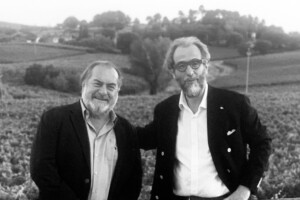
The new winery - located in the Stabiae area, where part of the vineyards will be planted alongside those within the domus, will be deeply integrated into its territory not only culturally and productively, but also socially, involving Third Sector organizations in processing activities - is based on extensive research into traditional vine-training and grape-processing techniques, carried out in collaboration with professor Attilio Scienza, and on the agronomic expertise of Feudi di San Gregorio and its production manager, Pierpaolo Sirch. The aim is twofold: on the one hand, to produce authentic, high-quality wines; on the other hand, to integrate viticulture into the historical and visitor experience of the Archaeological Park. The project importance is amplified because it “gives us the opportunity to continue sharing with the world the millenary culture of wine and, for this reason - said Antonio Capaldo in a one-on-one interview with WineNews - I feel a great responsibility”.
Copyright © 2000/2026
Contatti: info@winenews.it
Seguici anche su Twitter: @WineNewsIt
Seguici anche su Facebook: @winenewsit
Questo articolo è tratto dall'archivio di WineNews - Tutti i diritti riservati - Copyright © 2000/2026