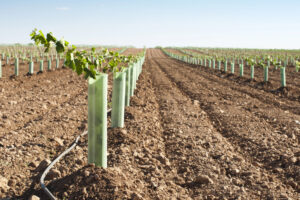









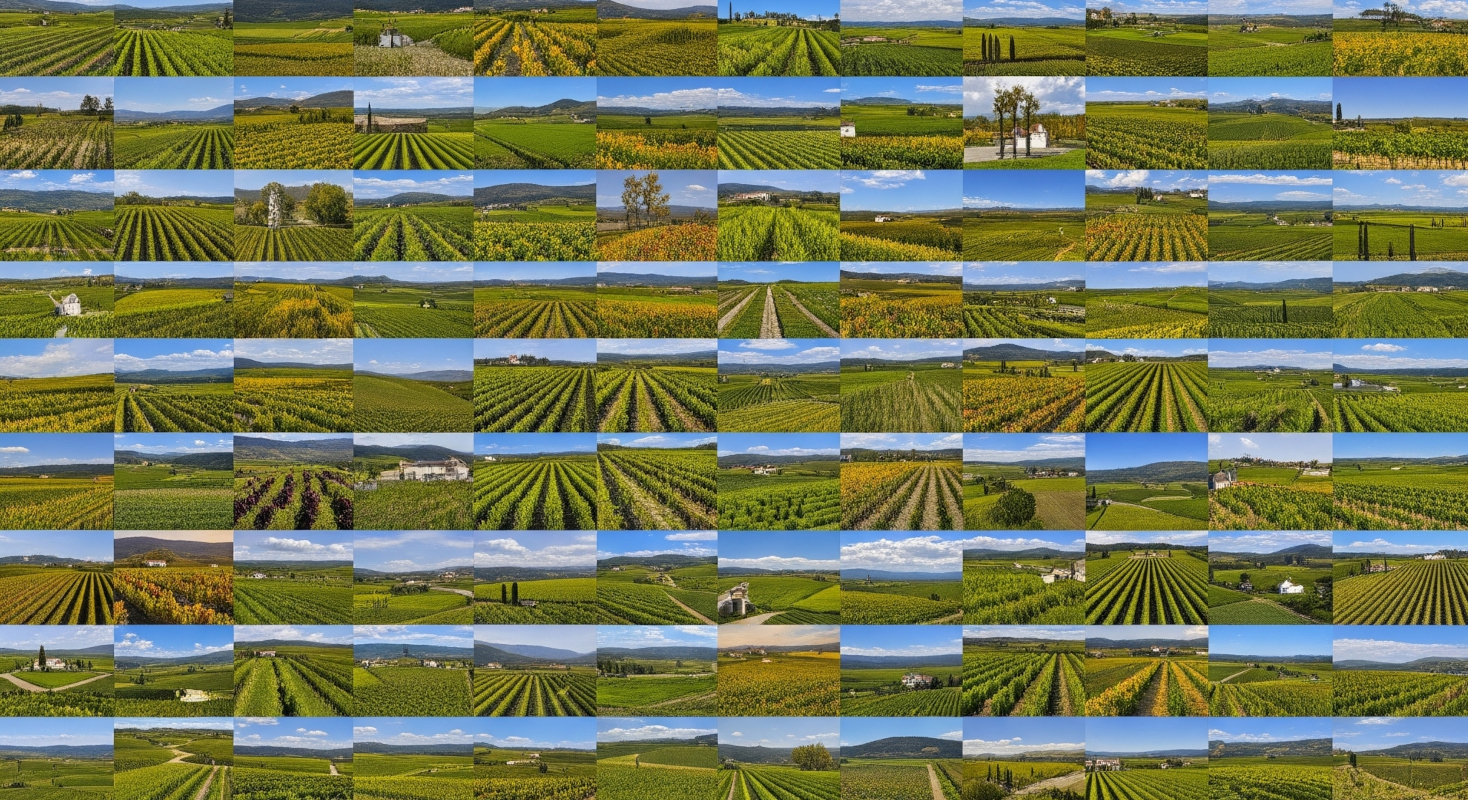
The international context is becoming increasingly more complex, because new conflicts have been added to old ones, further heightening commercial tensions and driving up the costs of energy, raw materials, and transport, while U.S. tariffs remain in place and continue to weigh heavily. This scenario is generating strong concern among businesses in the wine sector, including the cooperatives affiliated with Legacoop Agroalimentare which, during today meeting of the Coordination Committee in Rome, set out their positions. They began by calling, indeed, defining it as a “necessity” for the temporary suspension of authorizations for new vineyard plantings (while, in recent days, the Ministry of Agriculture extended the deadline for submitting authorization applications for new plantings for the 2026 cycle until April 17th, ed): “each year, the current system allows for the planting of almost 7,000 hectares of vineyard - explains Legacoop Agroalimentare president Cristian Maretti - but in light of the possibility introduced by the EU “Wine Package” to reduce the allowance even to 0%, the Coordination Committee considers it urgent to assess a temporary suspension of new authorizations in order to avoid further increasing supply at a time when the market is already showing possible imbalances between demand and production”.
According to the National Association of Agro-Fish-Food Cooperatives affiliated with Legacoop, reducing yields is not enough: a clearer and more detailed picture of inventories is needed (whose upward trend continued in February 2026, according to the latest update of the Icqrf “Cantina Italia” report). These inventories vary greatly depending on product categories, types, and territories. A uniform assessment, they explain, could therefore prove ineffective, given that the wine market is not a single entity but is made up of different segments with very diverse dynamics and destinations. “Any solution that does not take this level of detail into account appears, in our view, superficial and ineffective”, underlines Maretti.
Crisis measures such as distillation and extirpation (also foreseen in the “Wine Package”) should not be ruled out in advance for those areas or denominations facing structural difficulties.
Finally, the analysis conducted by the cooperative wineries brought to light another critical issue: the growing lack of liquidity in wine businesses. “This situation affects investment capacity, promotional activities, and numerous operational aspects - says Maretti - for this reason, Legacoop Agroalimentare believes it is necessary to support tools that enable a greater flow of liquidity to enterprises, given yet another exceptional phase the sector must confront. It is also important to highlight the need for timely disbursement and adequate amounts of public funds linked to rankings from various tenders: this represents a potentially important liquidity channel for businesses, which far too often suffer bureaucratic delays and slowdowns which prevent them from receiving resources they are legitimately entitled to”.
Copyright © 2000/2026
Contatti: info@winenews.it
Seguici anche su Twitter: @WineNewsIt
Seguici anche su Facebook: @winenewsit
Questo articolo è tratto dall'archivio di WineNews - Tutti i diritti riservati - Copyright © 2000/2026