

Sunday 20th of September 2026 - Last Update: 21:57





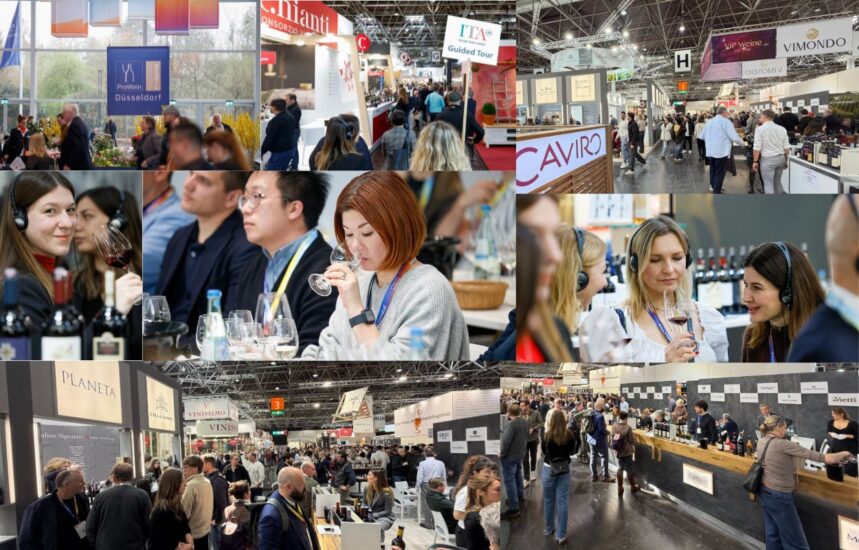
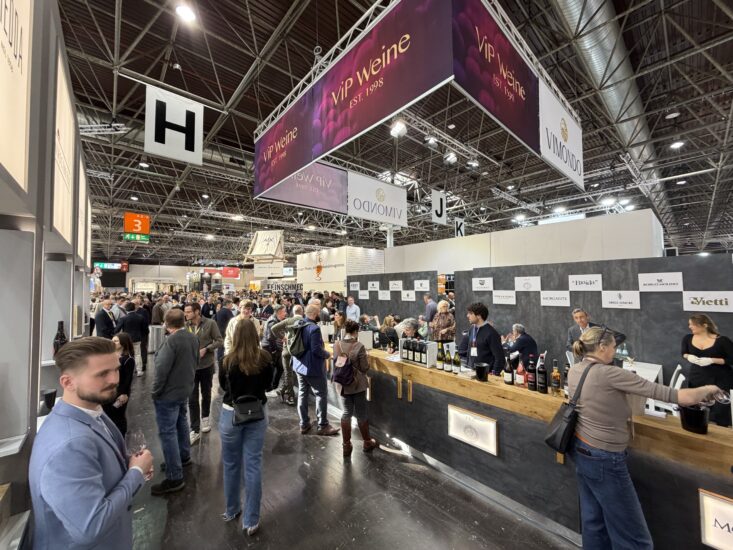
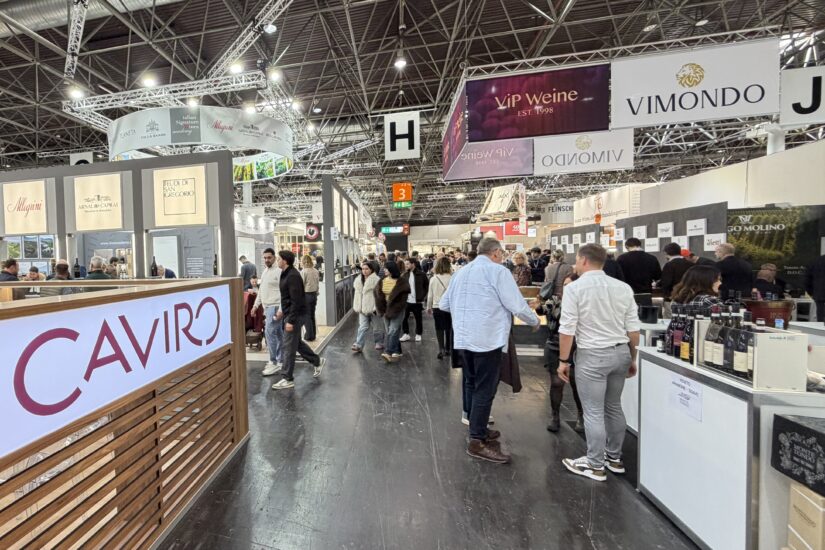
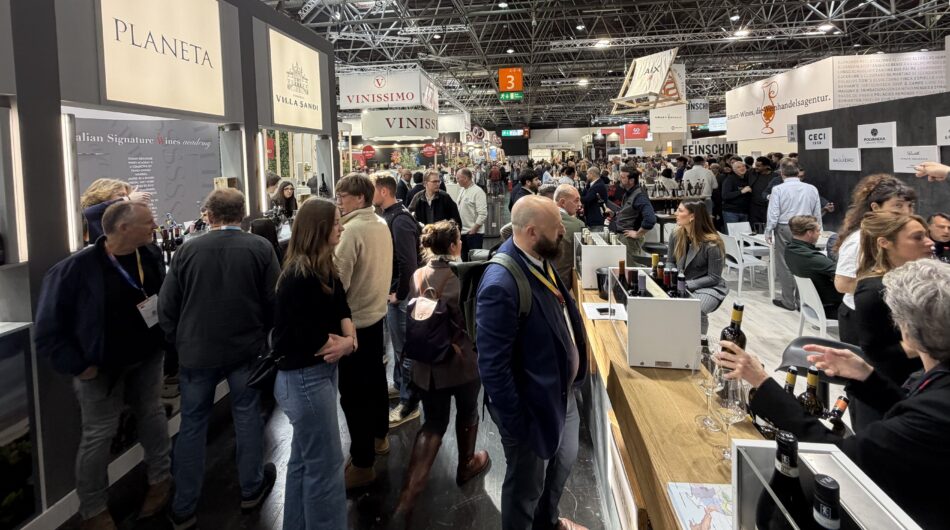
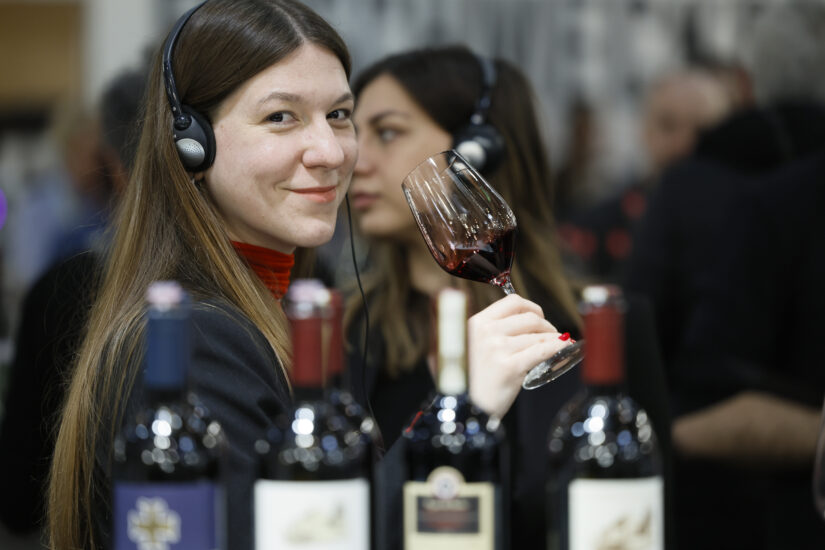
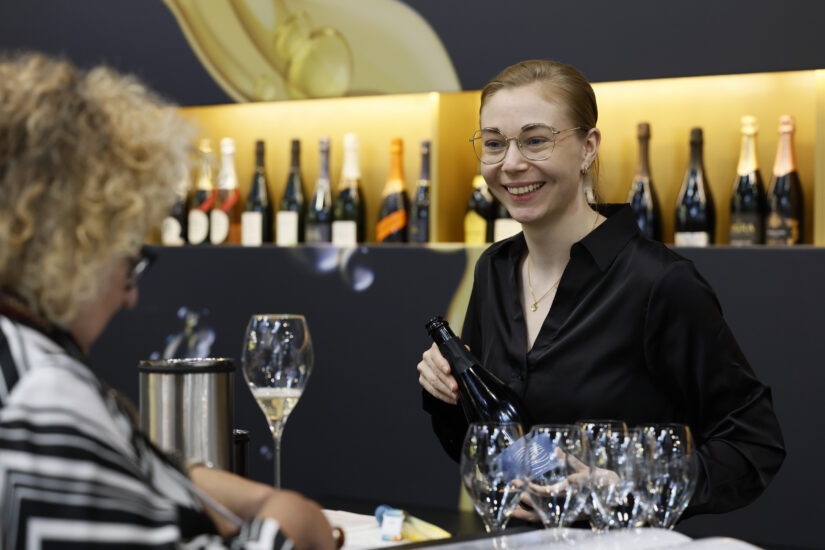
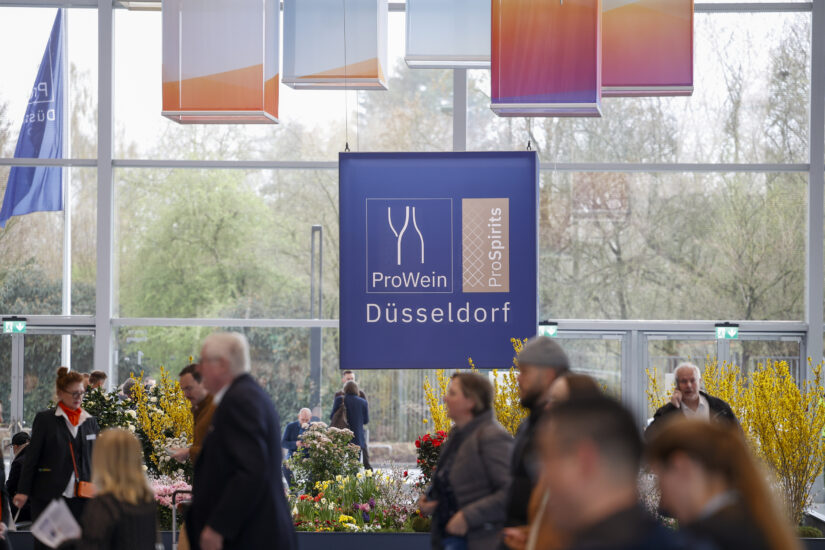
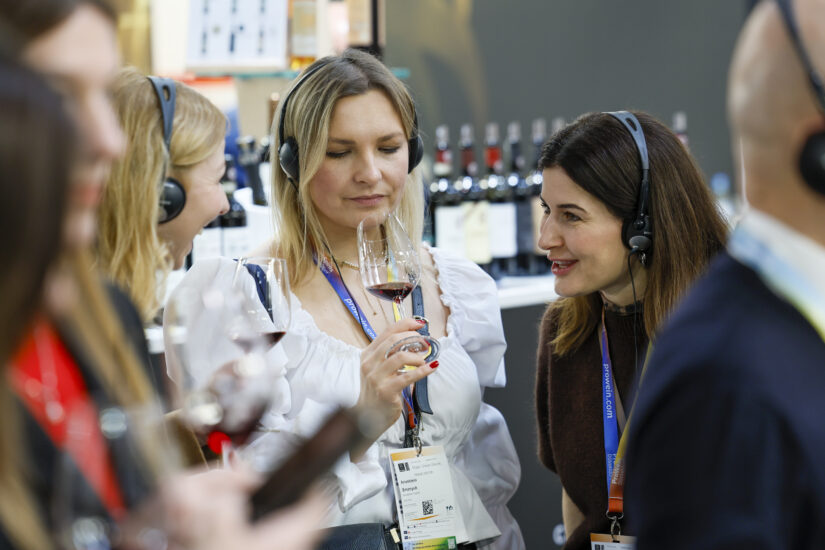
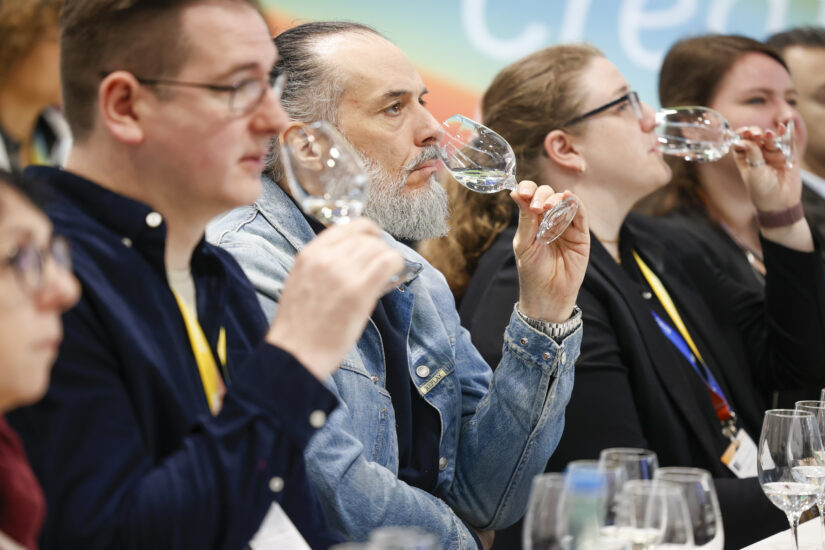
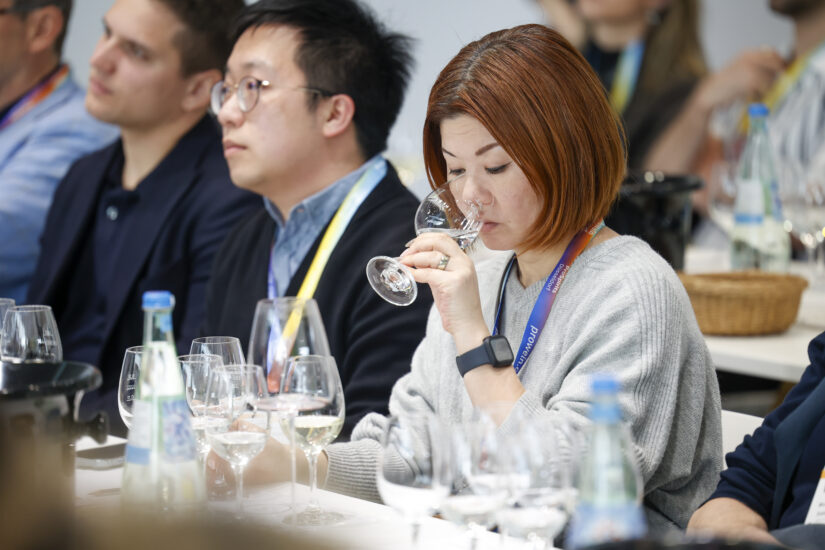
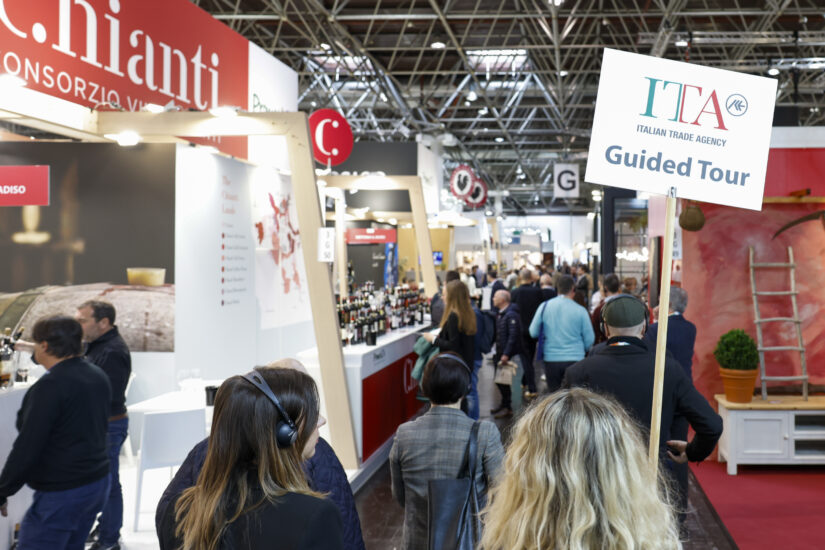
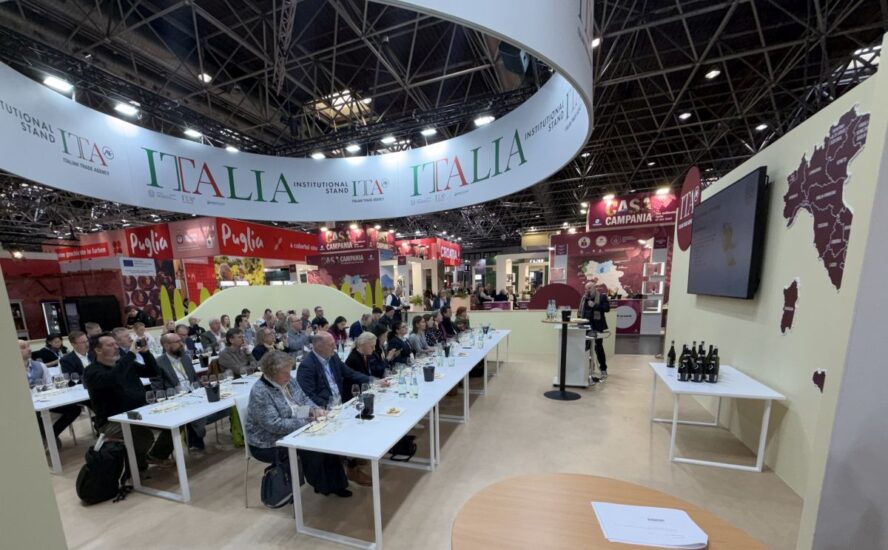
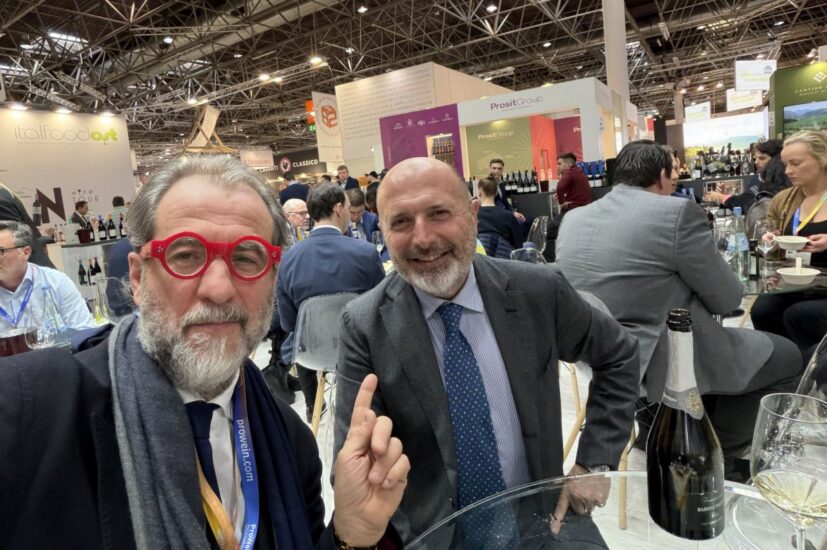
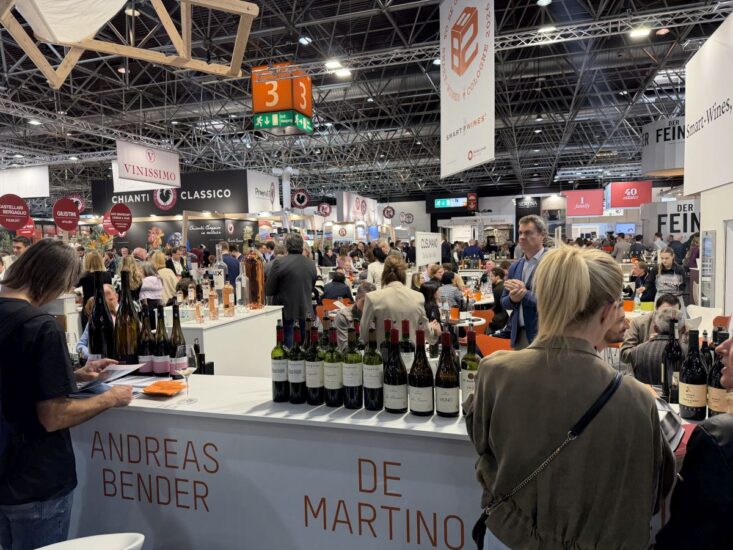
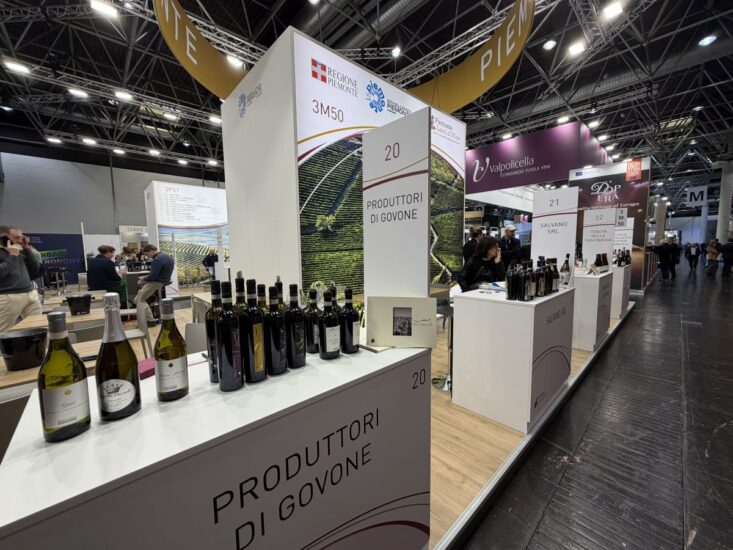
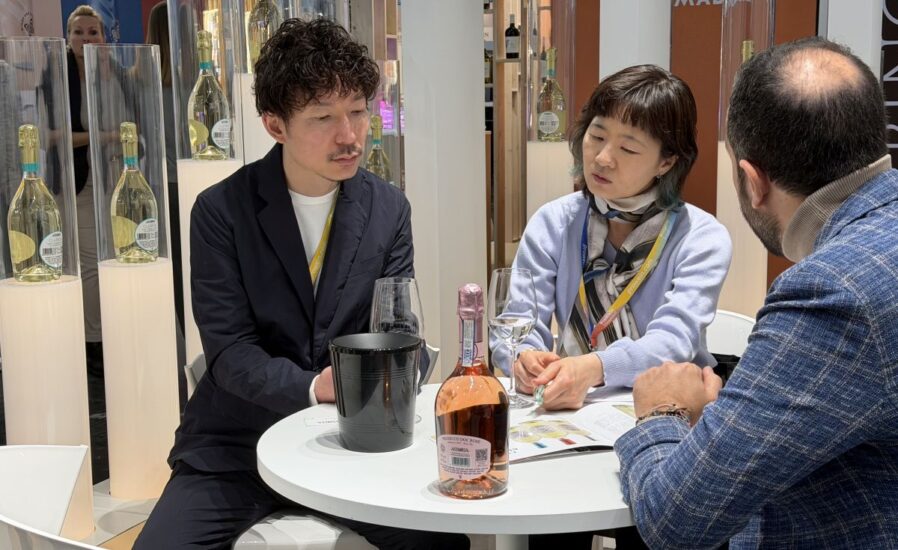
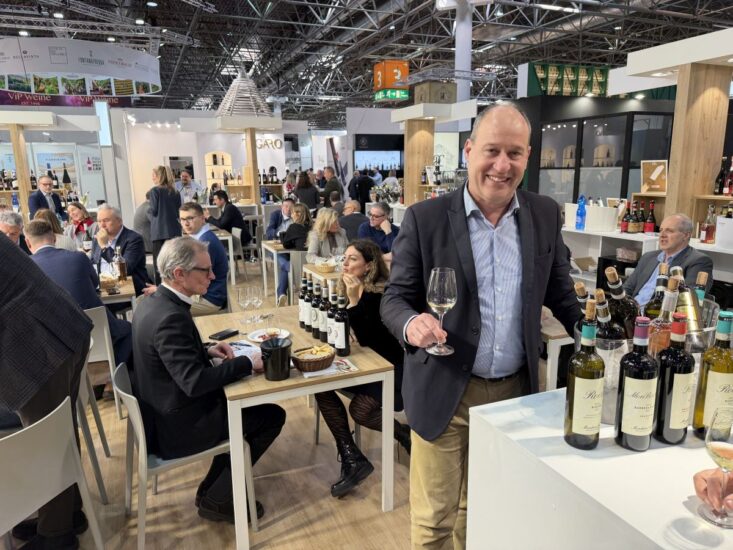
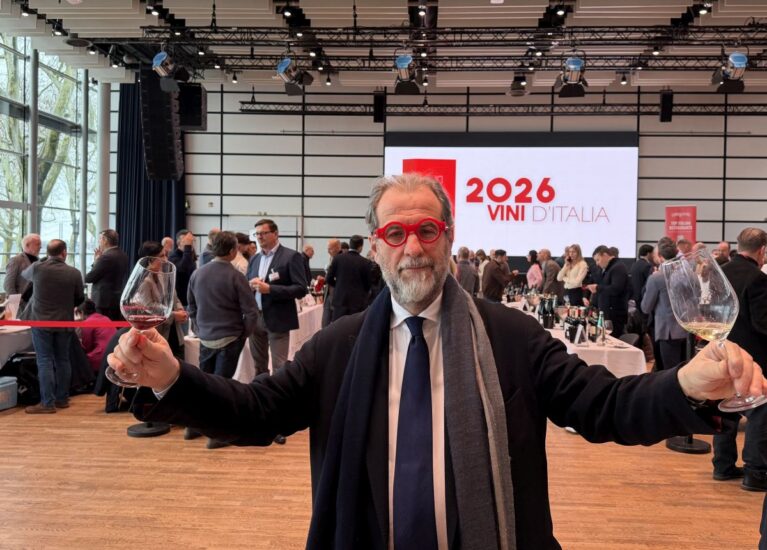
The problems in the wine market are evident and well known, and they should not be hidden. But there is no need to panic, because they can be addressed by analyzing them and looking for new opportunities. This requires greater flexibility from companies, more attention to costs than in the past, but also continued investment in promotion and market presence, starting with trade fairs themselves. These events must continue to be attended, perhaps even more than before, but in a lighter, “smarter”, practical, and less costly way. Or at least with fewer resources dedicated to the “show” focusing instead on the more practical aspects of trade. Keeping in mind that today, more than ever, no market, large or small, established or emerging, can be neglected. This leads to a sentiment which is not unrealistically optimistic but concretely proactive, emerging from ProWein, which closes today in Düsseldorf. Over the past three days, the WineNews staff gathered impressions from many key figures in Italian wine and the trade, German professionals first and foremost, but not only.
It is a fair, moreover, where despite lower numbers of exhibitors and professional visitors, commercial contacts were still plentiful for those who prepared properly. A fair which perhaps no longer has the same “worldwide” vocation as a few years ago, but still focuses on an important European area, which, for Italian wine alone, Germany leading, accounts for over 4 billion euros in exports. And which, as it is evident and confirmed in a conversation with WineNews by Marius Berlemann, ceo of Messe Düsseldorf, is returning somewhat “back to the roots” to its origins as a “regional” fair, dedicated especially to the German trade and neighboring countries (which for Italy alone means 400 million euros from Switzerland, 309 million from France, 260 million from the Netherlands, 217 million from Belgium, and also Sweden, Austria, Poland, Norway, and Finland, not to mention the nearby United Kingdom with 816 million euros, and other smaller Eastern European countries such as Estonia, Latvia, and Belarus, as well as partners currently affected by war but still potentially significant, like Russia and Ukraine).
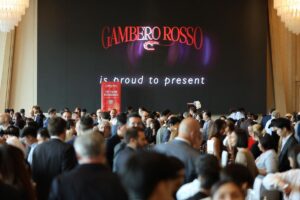
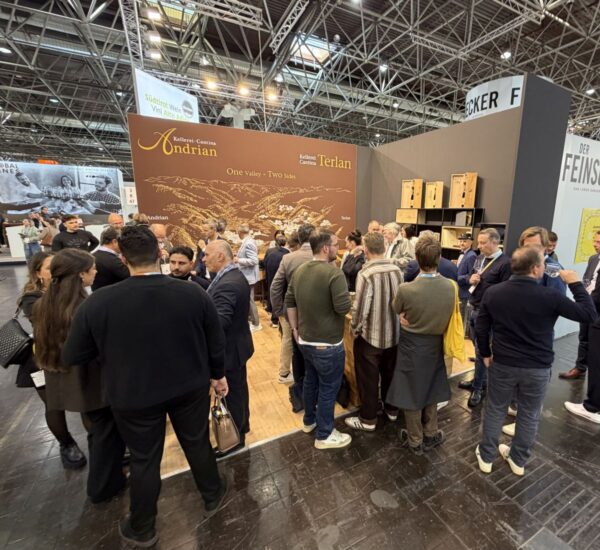
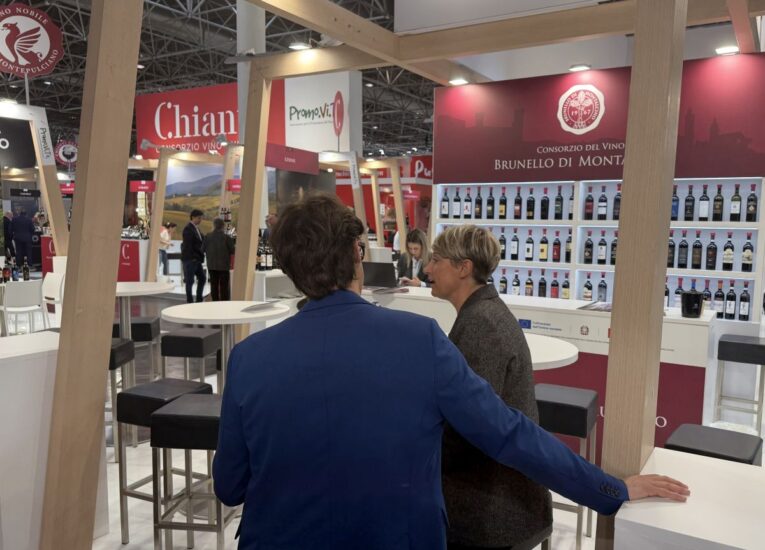
Walking through the expo over these three days, one aspect, possibly a sign for the near future, was clear: the largest flows of visitors and professional operators were attracted by the collective stands of German importers or distributors of reputable Italian wines, or by the collective stands of major corporate brands. Meanwhile, far fewer visitors were seen in “territorial” or consortium collectives, even important ones, except in a few rare cases. This is likely because, in a period of uncertainty like today, it is the brand, the name of the producer, the company identity which provides the most reassurance to the market across all territories, whether more or less important.
Copyright © 2000/2026
Contatti: info@winenews.it
Seguici anche su Twitter: @WineNewsIt
Seguici anche su Facebook: @winenewsit
Questo articolo è tratto dall'archivio di WineNews - Tutti i diritti riservati - Copyright © 2000/2026