


Sunday 20th of September 2026 - Last Update: 21:50






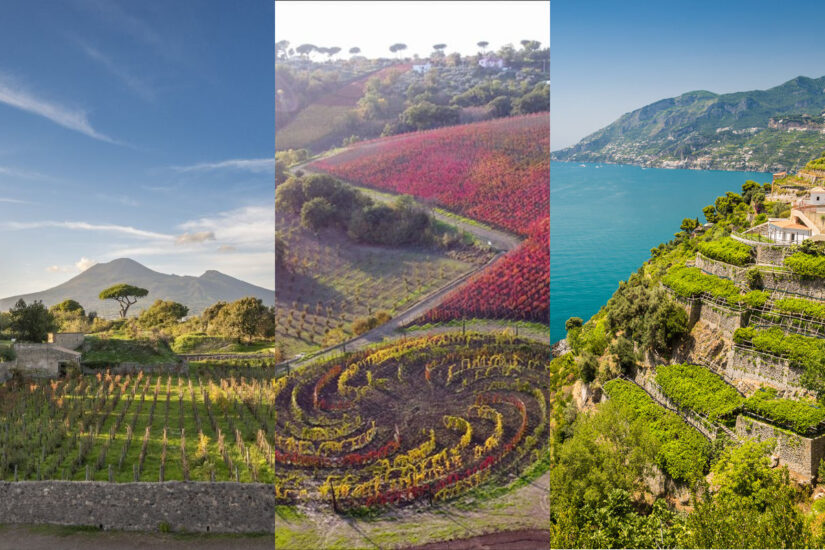
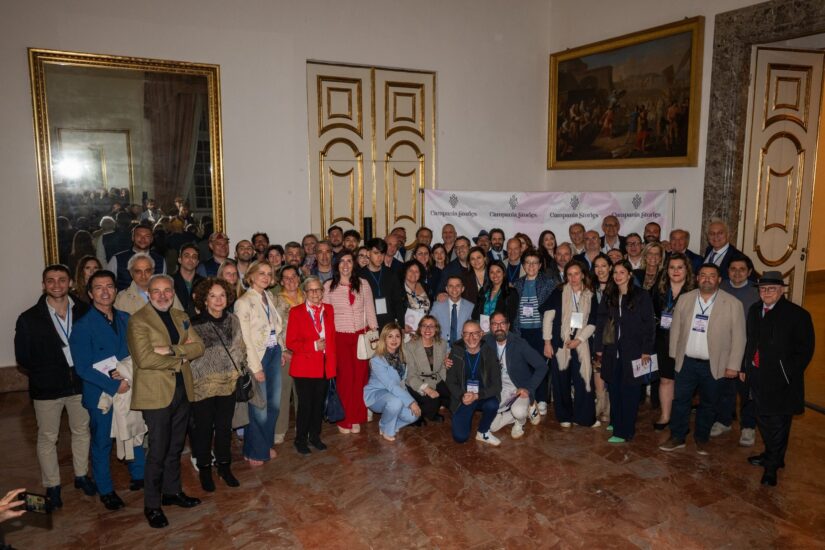



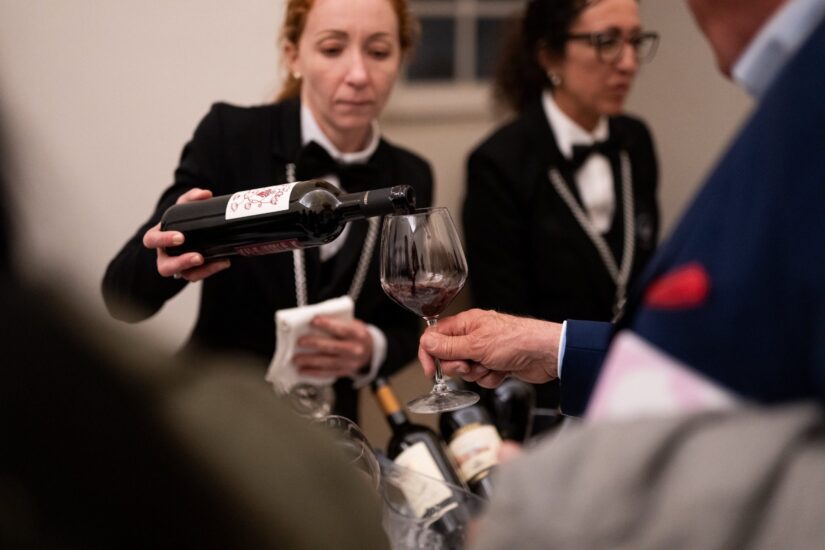
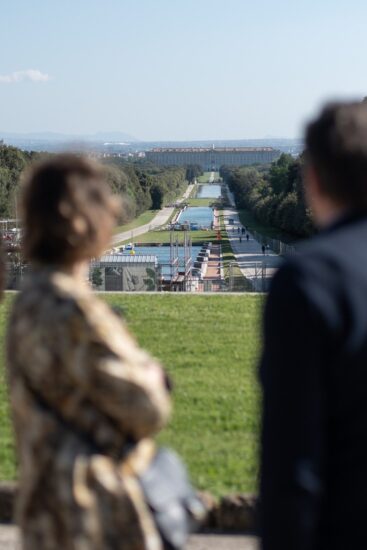

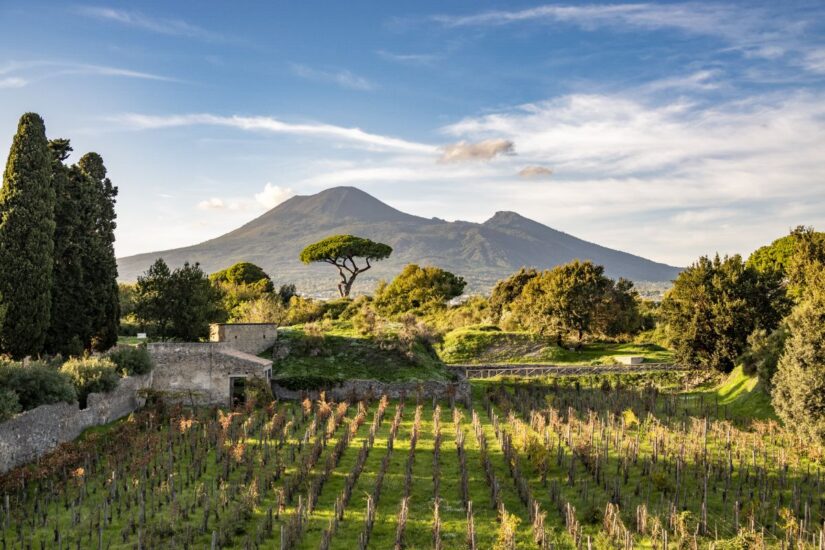
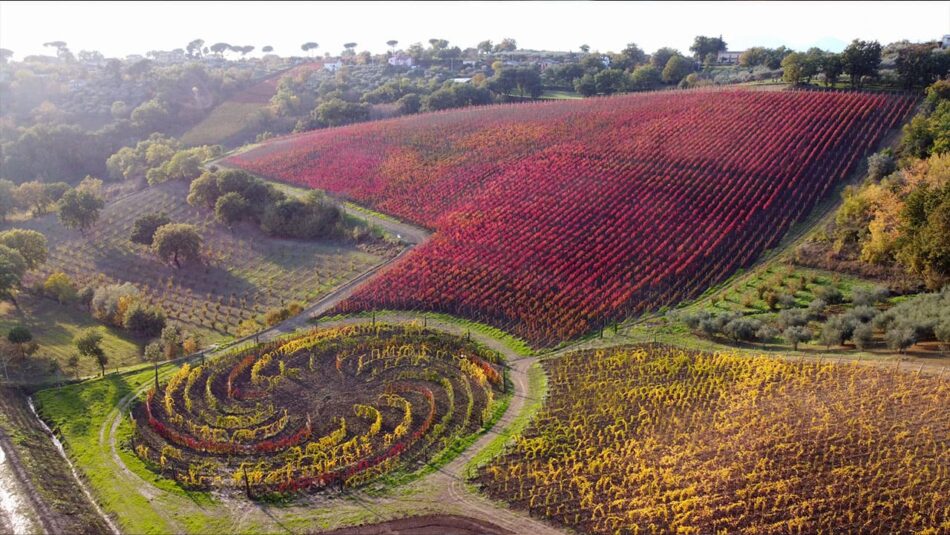
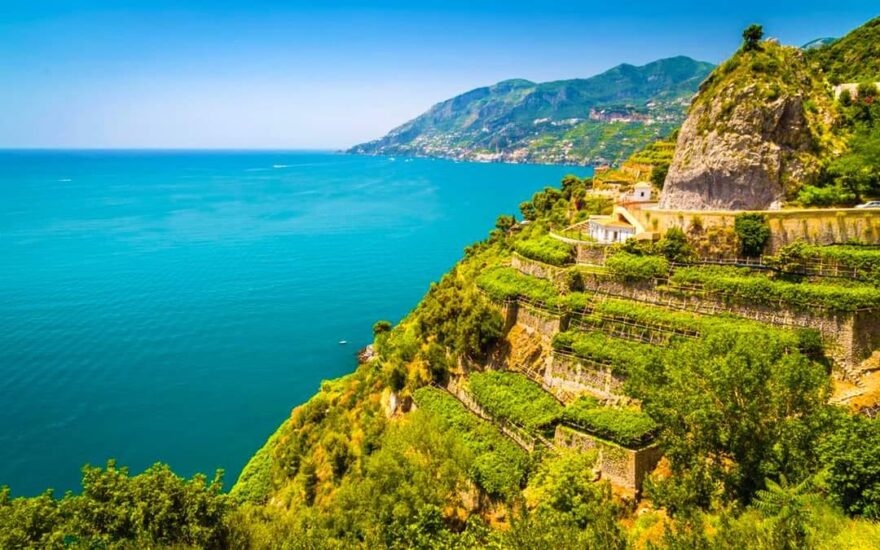
From Irpinia to Amalfi, from Mount Vesuvius to Ischia, from Sannio to Cilento, Campania wine heritage is a treasure chest of winemaking history which intertwines with the history of Italy itself and with historical and artistic landmarks of absolute value, from Pompeii to the Amalfi Coast, to name just two of the most famous examples. In addition to this, there is the ever-present Royal Palace of Caserta, a Unesco World Heritage Site and the venue of “Campania Stories” 2026, an event which, from April 23rd to 27th, cast a spotlight on the new vintages of the region’s wines, and in particular on the 2025 vintage. Overall, this vintage saw wineries experience a more regular year compared to the difficulties of recent seasons, marked by balanced climatic conditions, favorable temperature swings and sound vineyard management. These factors led to an increase in production (+13% compared to 2024, for a total of 696,000 hectoliters) and to healthy, high-quality grapes, as reflected in the glass by the 270 wines from 82 wineries tasted (including estates such as Ciro Picariello, Colli di Lapio, Di Meo, Donnachiara, Luigi Tecce, Pietracupa, Tenuta Cavalier Pepe, Tenute Capaldo – Feudi di San Gregorio, Villa Matilde Avallone, Antonio Mazzella, Marisa Cuomo, Montevetrano and San Salvatore 1988, among others). These producers act as standard-bearers for a wine region that in 2025 saw exports grow sharply against the national trend, with a solid +11.6% over 2024, reaching 46.5 million euros.
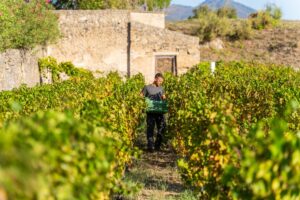
This figure further enhances the economy of Campania wine sector (which, also recently showcased at Vinitaly 2026, where we had the opportunity to taste many of its highlights, from Fonzone to Marisa Cuomo, from Feudi di San Gregorio to Quintodecimo, from Tenuta San Salvatore 1988 to Di Meo, ed), according to the latest Istat data cited by the organizers of “Campania Stories” 2026 (Miriade & Partners, with the support of the Campania Region, in partnership with Ais Campania and in collaboration with Consorzio Tutela Vini Caserta Vitica, the Royal Palace of Caserta and Assoenologi Campania), generates an estimated added value of between 150 and 170 million euros. Of this, more than 100 million euros derive from PDO and PGI wines, as recorded by the Ismea-Qualivita Observatory, confirming the growing weight of quality production in a Campanian wine sector (boasting 4 DOCGs, 15 DOCs and 10 IGTs) which accounts for around 4% of total Italian wine production. This widespread wealth derives from 26,000 hectares of vineyards (with the province of Benevento accounting for 40% of the region vineyard area, followed by Avellino with 24%), and from a wine supply chain that includes more than 470 bottling wineries registered with the Icqrf, as well as over 40,000 agricultural holdings with vineyard surfaces.
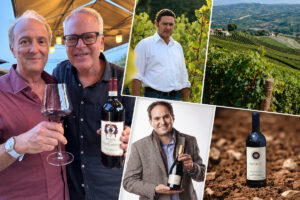
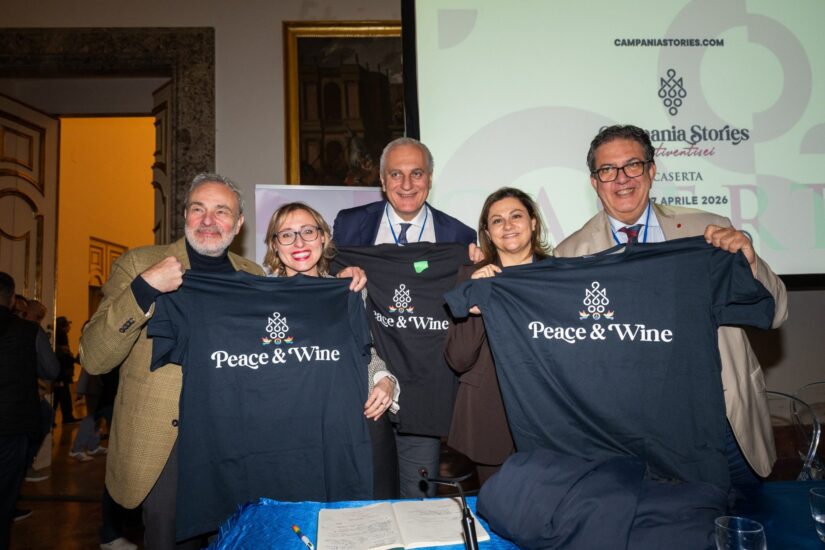
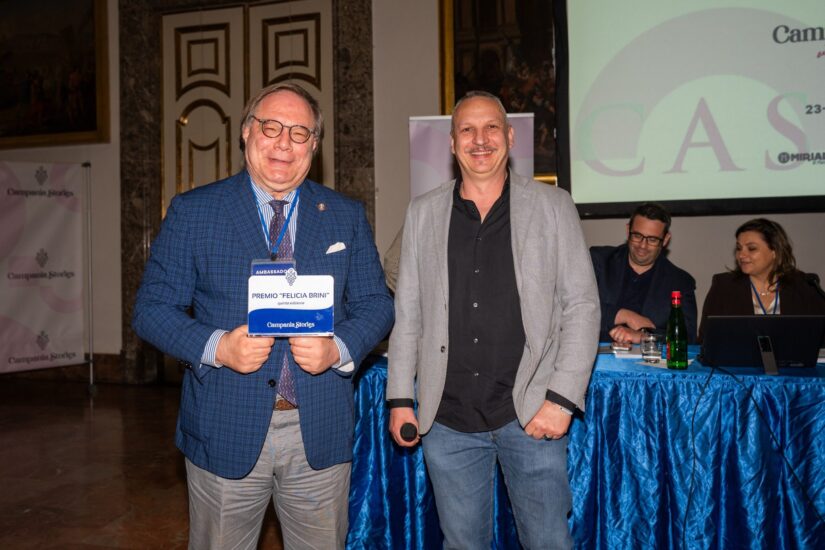
At “Campania Stories” 2026, as an event within the event, the “Felicia Brini” Award (dedicated to the Falerno producer who passed away prematurely in 2021, ed) was presented to one of the wine critics who best knows and communicates Italian wine around the world, Ian d’Agata, a “recognition which celebrates the contribution to the dissemination and international promotion of Campanian wine”. “Campania Stories” 2026 therefore confirms itself as a key occasion for the contemporary storytelling of Campania wines: a collective narrative bringing together territories, grape varieties and visions, helping to strengthen the region’s presence in the main global markets.
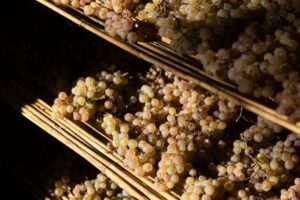
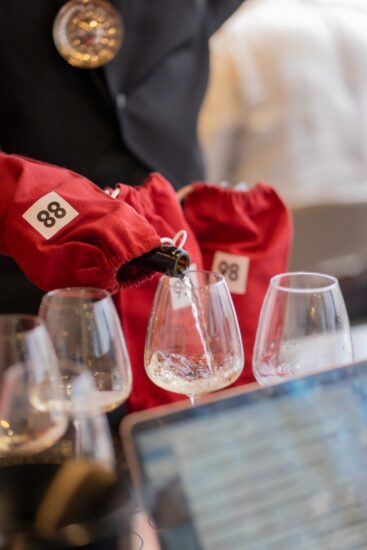
In the glass, judging from the wines in tasting (over 270 labels), the qualitative outlook points to fresh, aromatic and long-lived whites (particularly Fiano, Greco and Falanghina), while the red wines, thanks to optimal phenolic ripeness, appear structured, balanced and endowed with mature tannins, suggesting wines of great complexity.
Copyright © 2000/2026
Contatti: info@winenews.it
Seguici anche su Twitter: @WineNewsIt
Seguici anche su Facebook: @winenewsit
Questo articolo è tratto dall'archivio di WineNews - Tutti i diritti riservati - Copyright © 2000/2026