


Saturday 12th of September 2026 - Last Update: 11:47





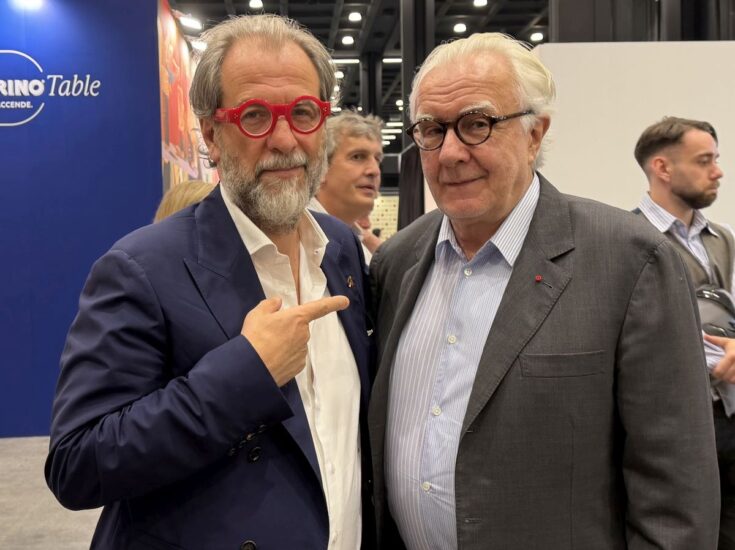
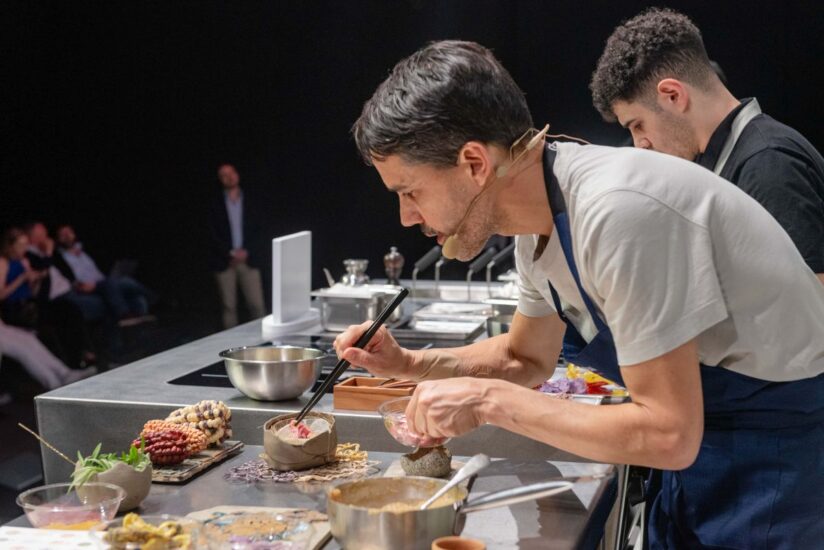
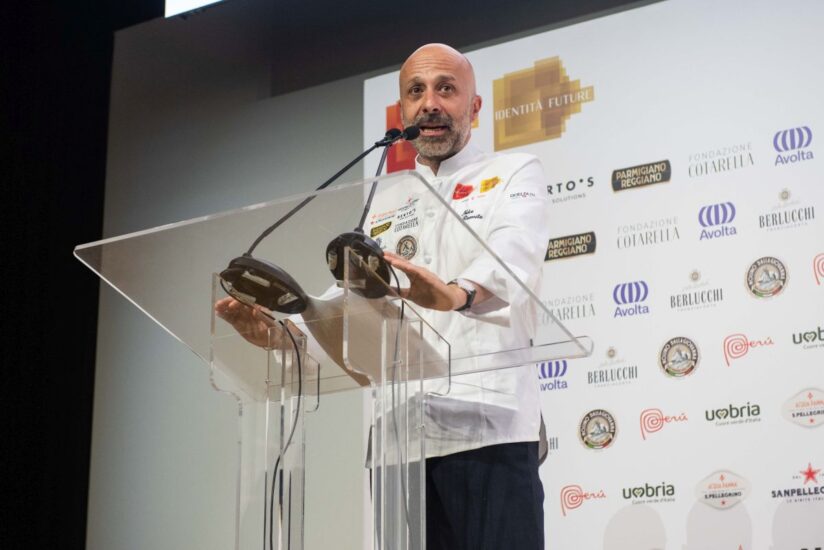
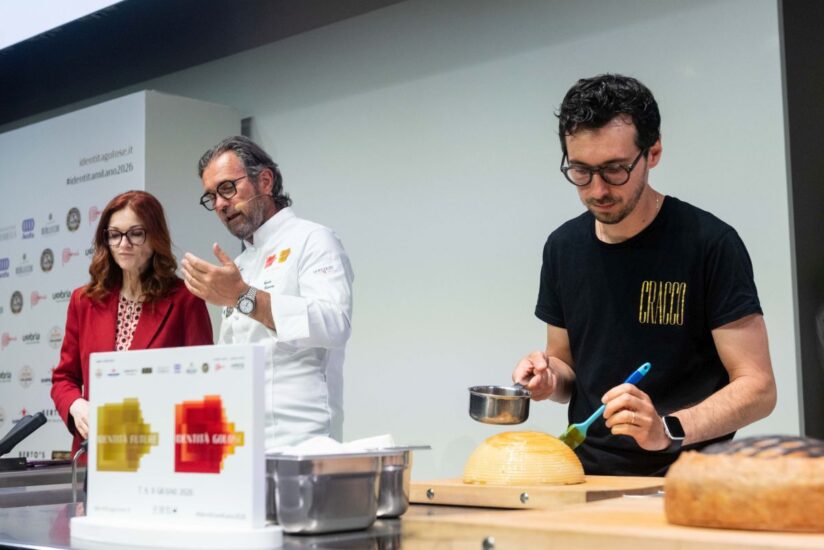
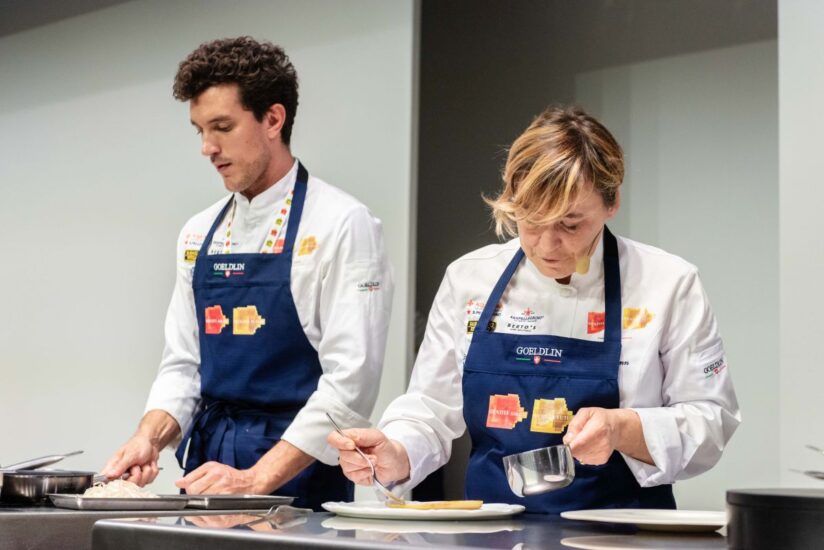
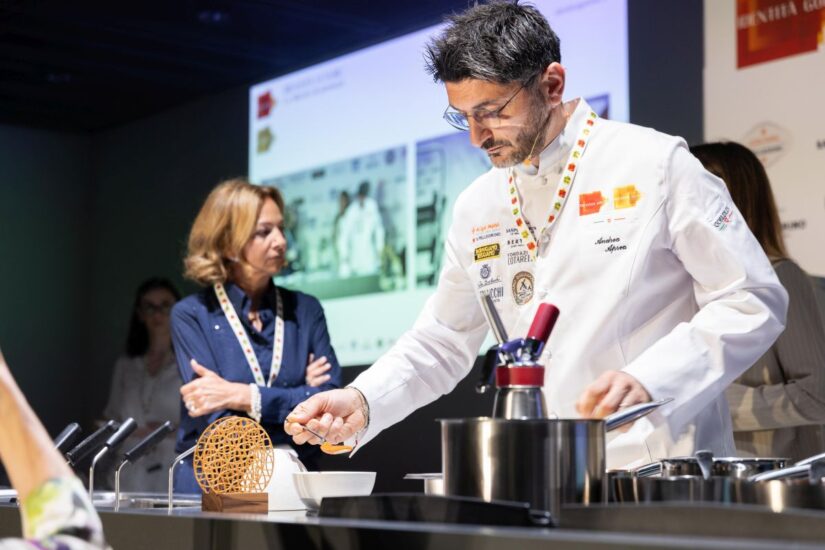
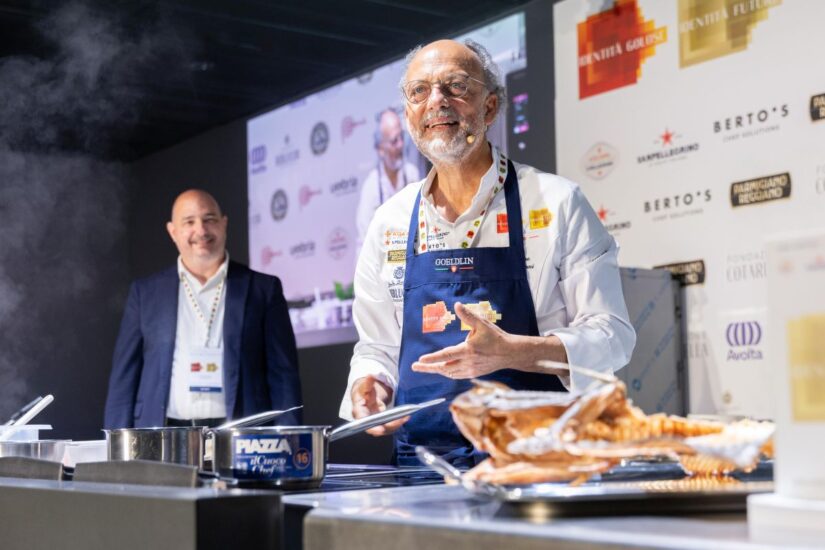
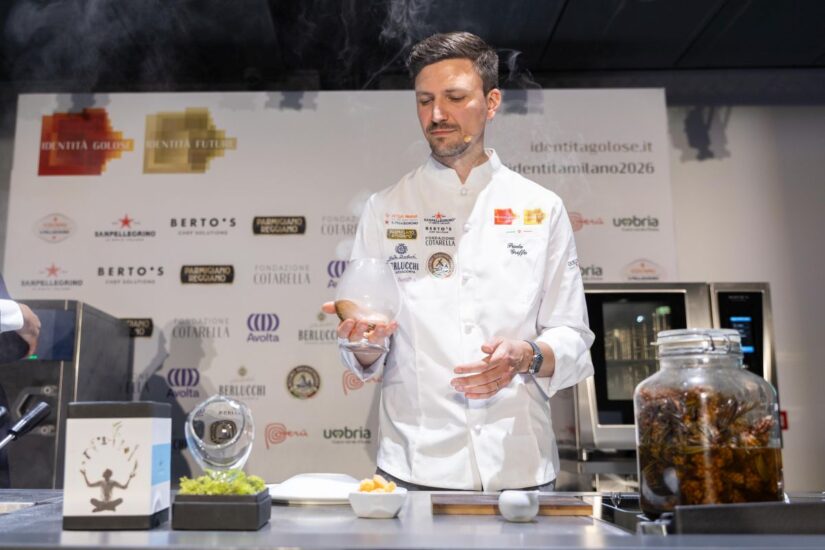
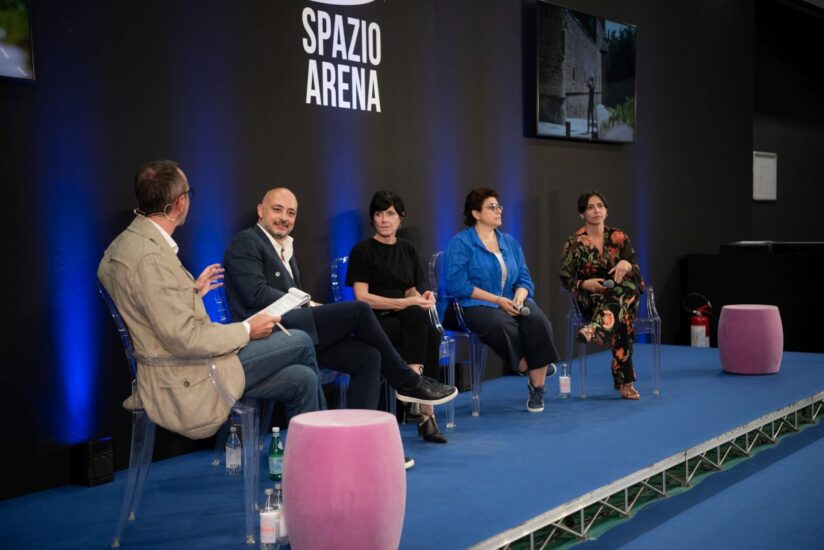
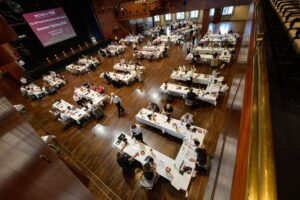
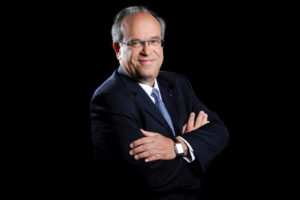
“Not too much, not too little,” or “in medio stat virtus” - “virtue lies in the middle”. Alain Ducasse is very clear when it comes to a highly current issue: wine consumption, at a time when the sector is facing declining consumption, new generations interested in other beverages, and increased attention to health. But it is not only a matter of moderation and awareness, and the invitation of the world’s most Michelin-starred Monegasque chef, and indeed one of the greatest chefs ever (14 Michelin stars across 20 restaurants), and much more than that in the history of global gastronomy, is precisely not to reduce the issue to a simple opposition. As he says, “the point is not to impose wine, nor to suffer its decline, but to learn how to serve it better, at the right temperature, in the right quantity, alongside smart alternatives when customers desire them”. This reflection was shared on the stage of Identità Milano 2026, the international congress of haute cuisine, pastry, mixology, front-of-house service, and hospitality founded by Paolo Marchi and Claudio Ceroni (closing today at Allianz MiCo North Wing, with WineNews as media partner), in discussion with Karim Soleilhavoup, ceo of Teritoria, the community founded by Ducasse in 1975 that brings together restaurateurs, hoteliers, and “sustainable” travelers, and Maddalena Fossati, editor-in-chief of the historic magazine “La Cucina Italiana”, among more than 100 speakers, including leading figures from the global food and wine world and culture, gathered to discuss “Identità Future: la Libertà di pensare” - “Future Identities: the Freedom to Think”.
A “legend” of global cuisine, Alain Ducasse, one of the dominant figures on the contemporary gastronomic scene, is far more than a chef: from haute cuisine to urban dining, at the helm of Groupe Ducasse Paris, he directs all of his countless restaurants spread from Paris across the world - where, it is said, the sun never sets - and nothing escapes him, from table to plate, in a pursuit of absolute quality as well as entrepreneurial excellence. This is well known by the Italian chefs he has mentored, from Massimo Bottura to Carlo Cracco, from Davide Oldani to Andrea Berton. Ducasse is also credited with having pioneered, within the restaurant world, a reflection on how we use the natural resources of our planet to feed ourselves toward a cuisine more in tune with nature, healthier, better for well-being, and more respectful of the environment - an increasingly urgent concern today - a need which is summarized in his famous “Naturalité” manifesto, which since 2014 has been “served” starting from his renowned restaurant at the Plaza Athénée in Paris, a true hub of culinary creation guided by nature, thanks to ethical and sustainable producers, products, and recipes of the highest quality, at the peak of their season”.
This is because, according to Alain Ducasse concept of hospitality, reminding us that it is a human and cultural act, “there is no model that can be replicated everywhere. Rather, there is the responsibility to listen to the territory, understand its culture, and build an experience with personality”, offering not only something suited to customers but also to the place itself. In an increasingly globalized world, identity makes the difference. This also redefines the idea of contemporary luxury, from possession to emotion: “the customer is not just looking for impeccable service - said Karim Soleilhavoup - they want to feel seen, heard, understood. It is this personalized attention that transforms a correct service into a memorable one”.
However, we are also living in an era in which contemporary haute gastronomy may have become excessively sophisticated, often losing itself in spectacle and, in the pursuit of special effects at all costs, getting trapped in a haze of technicalities that distance us from the pleasure of the table. In such a context, the mission of the modern chef is to return to being the interpreter of the generosity of the territory, of a cuisine which is more ethical, healthy, clear, and focused on essentials, enhancing the perfect raw ingredient at the peak of its season, rather than multiplying elements at the risk of suffocating the original message of the dish (a reflection also recently shared with Italian food historian Gianni Moriani, starting precisely from Ducasse philosophy, ed). “We are artisanal intelligence”, said Ducasse, referring to the boom of artificial intelligence, which “can help with management, administration, and organization. It can save time. But that time only has value if it is returned to hospitality and human relationships”.
A relationship which, recalled Maddalena Fossati, president of the committee promoting the recognition of Italian cuisine as Unesco heritage, unites Italians and French alike when it comes to the value of the table, which is conviviality, sharing, and a driver of social life. “Italians and French are competitive - said Ducasse - but always at high levels. And yet, there is no envy. On the contrary, France was happy about the recognition. We are Latins, we share a common taste for cuisine, wine, and the table”. Also for this reason, on an issue which concerns food and wine at every level, well summarized by Identità Golose, that eating well should become a more accessible right and not a privilege for a few, his recipe is simple: “cook more at home, choose simple products, and dedicate time to cooking”.
Copyright © 2000/2026
Contatti: info@winenews.it
Seguici anche su Twitter: @WineNewsIt
Seguici anche su Facebook: @winenewsit
Questo articolo è tratto dall'archivio di WineNews - Tutti i diritti riservati - Copyright © 2000/2026