


Thursday 2nd of April 2026 - Last Update: 18:41




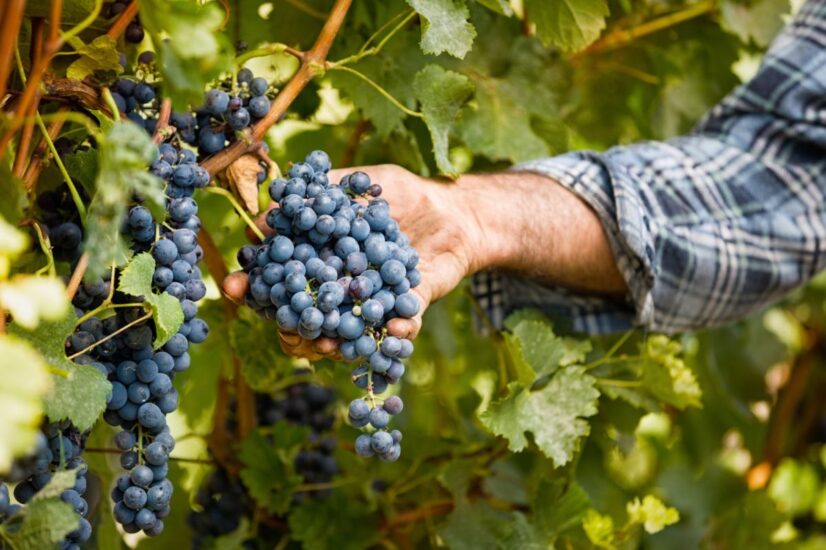
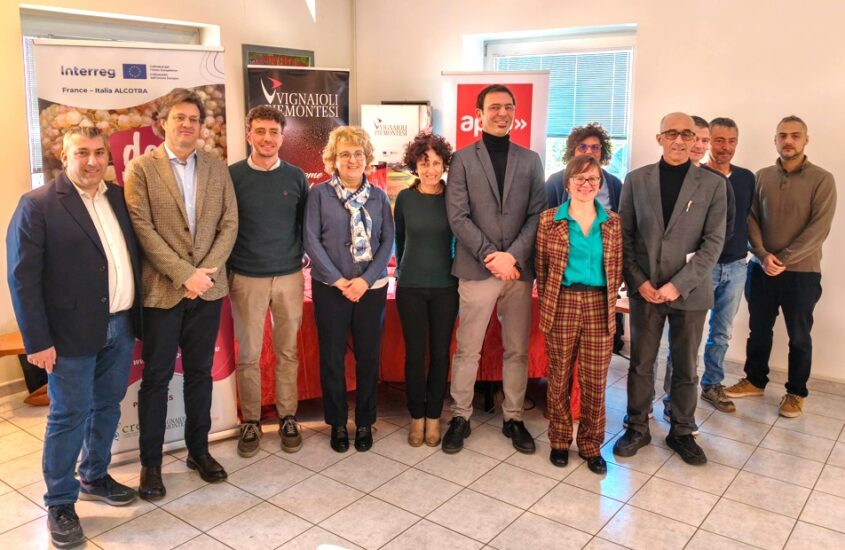
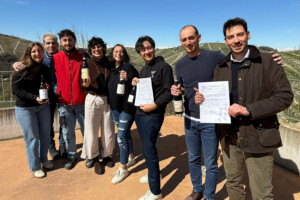
If the segment of dealcoholized wines can still be considered a market niche, there is no doubt that curiosity about these products has long been sparked among both producers and consumers. This is because no- and low alcohol wine is embarking on its own path, one which deserves close observation as it follows market trends. However, if the future of wine also depends on its ability to adapt to a changing world, it must do so without losing its identity. It is within this context that an interesting experimentation is taking shape in one of the most important regions for Italian and global wine such as Piedmont: for the first time, dealcoholization is being applied to single-varietal native vine varieties, namely Barbera, Dolcetto, Cortese, Moscato Bianco and Brachetto, with the aim of producing wines with zero alcohol content. This is the “Devin0” project, presented in recent days in Castagnito (Cuneo), which develops between Italy and France and is dedicated to the development and adoption of dealcoholization technologies through integrated activities of research, experimentation and training aimed at professionals and students.
The project, funded by the Interreg VI-A France-Italy Alcotra Program, is headed by Apro Formazione, which coordinates Consiglio Per La Ricerca In Agricoltura E L’Analisi Dell’Economia Agraria - Council for Agricultural Research and Economics (Crea), Vignaioli Piemontesi Sca - Piedmontese Vine Growers Agricultural Cooperative, and Centre de Recherche et d’Expérimentation sur le Vin Rosé - Research Center of Experimentation on Rosè wine.
“Devin0” is a project which aims to address the ambitious goal of responding to two major challenges which are redefining the wine sector: climate change and evolving consumption patterns. In recent years, explain the promoters, rising temperatures have accelerated grape ripening, leading to higher sugar concentrations and, consequently, wines with increasingly high alcohol levels. At the same time, the market is shifting direction, with growing interest in low-alcohol or fully dealcoholized products, especially among younger consumers and women. Non-alcoholic wines, according to estimates mentioned in the note by Apro and Vignaioli Piemontesi, are expected to reach a value of nearly 7 billion dollars over the next ten years, while the low-alcohol segment already exceeds 4 billion dollars.
The “Devin0” project operates both in the vineyard and in the winery: on the one hand, techniques are tested to naturally limit alcohol production; on the other, intervention takes place on the finished wine through advanced processes such as reverse osmosis, nanofiltration and vacuum evaporation, which are capable of removing alcohol while preserving the aromatic profile. The core of the research lies in experimental activities and sensory analysis. The wines obtained, whether partially or totally dealcoholized, are studied in detail to understand their structure, aromas and qualitative potential. The aim is clear: to identify the varieties best suited to this type of production, while maintaining varietal recognizability and a strong link with the territory.
Daniela Tornato, Technical Manager at Vignaioli Piemontesi, highlighted how current dynamics open up new prospects for the sector, while at the same time requiring specific skills, adaptability and innovation. “With the “Devin0” project - she explained - we will focus on identifying the best dealcoholization practices to obtain low- and no alcohol wines, but also to try to correct alcohol levels in particularly unfavorable vintages. The challenge will be to preserve varietal characteristics, intervening in a targeted way without distorting the identity of each grape variety. The objective is to obtain a dealcoholized wine with a clear and recognizable identity, capable of expressing the language of Piedmont”.
According to Antonio Bosio, director of Apro Formazione, this is “a project of great value for our territory. In an area historically devoted to wine production like ours, it is essential to be able to interpret ongoing changes, supporting companies with concrete tools, training and research. This project moves exactly in that direction: supporting innovation without losing the connection with quality and identity that make our productions unique”.
Copyright © 2000/2026
Contatti: info@winenews.it
Seguici anche su Twitter: @WineNewsIt
Seguici anche su Facebook: @winenewsit
Questo articolo è tratto dall'archivio di WineNews - Tutti i diritti riservati - Copyright © 2000/2026