


Monday 14th of September 2026 - Last Update: 17:49







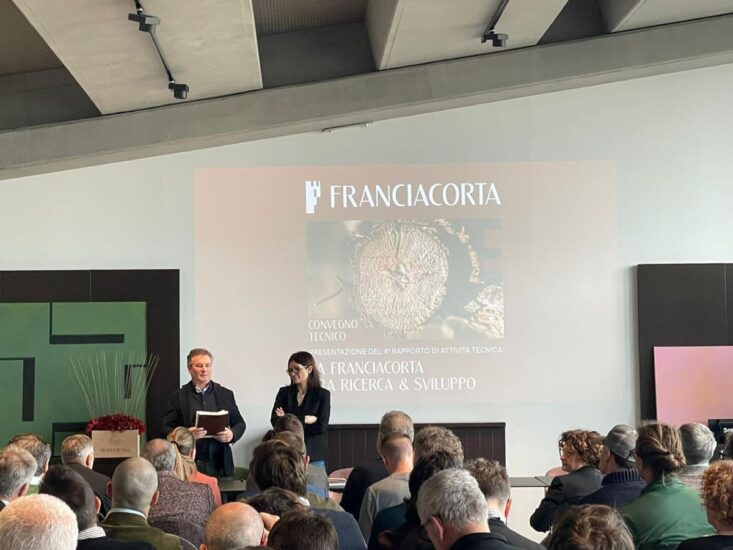
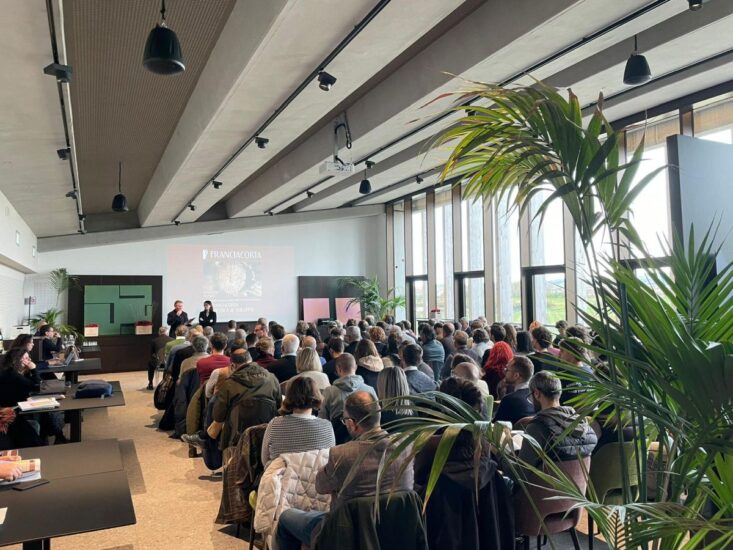
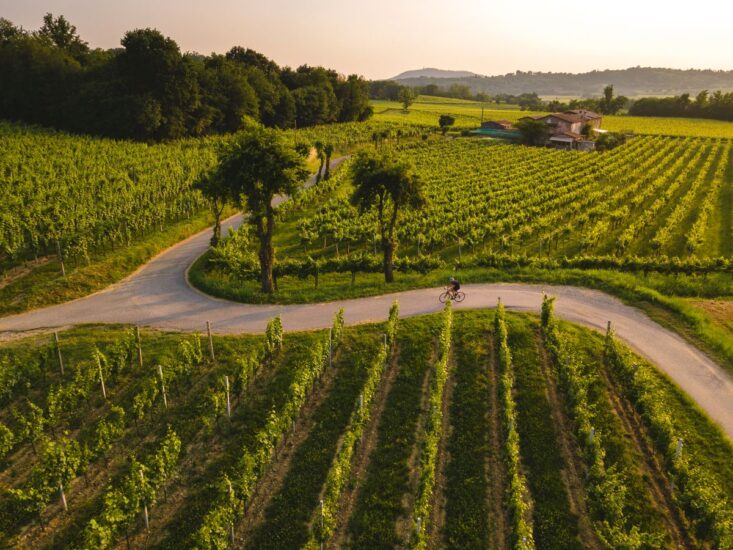
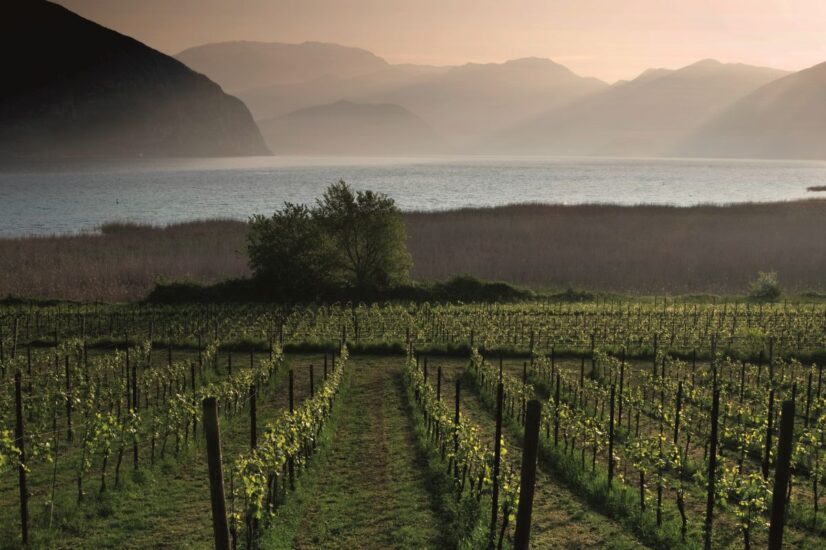
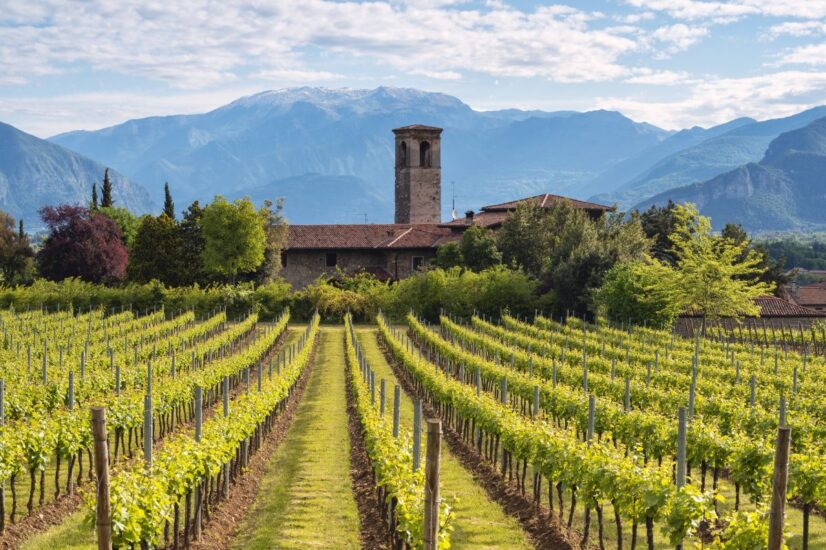
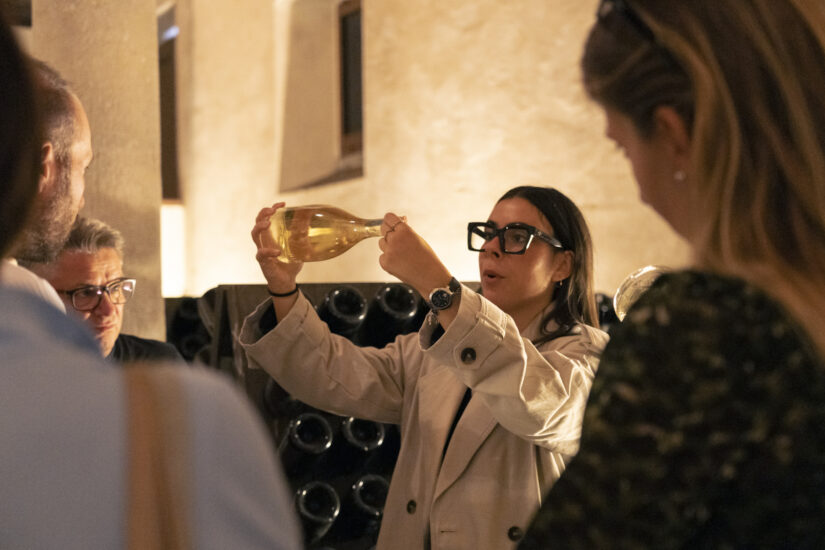

Franciacorta is one of the most significant and innovative territories in Italian sparkling wine, the first Italian wine produced exclusively using the traditional method of bottle refermentation to obtain DOCG status in 1995. It is supported by a Consortium founded in 1990 and currently chaired by Emanuele Rabotti, which brings together more than 120 wineries and represents one of the greatest assets of winemaking not only in Lombardy but nationwide. Innovation is one of the defining features of “Rapporto di Attività Ricerca & Sviluppo” 2026 - “Research & Development Activity Report” 2026, the edition No. 4 of a document which stands as one of the most important tools for understanding the technical and scientific evolution of the Franciacorta territory. The report offers an in-depth analysis of the 2025 vintage and of the main research activities shaping the future of Franciacorta viticulture. The publication, to which members of the Consortium Technical Committee contributed, coordinated by the Working Group and the Research & Development (R&D) Office, was presented yesterday in Cazzago San Martino at Monte Rossa Winery, one of the most representative and high-quality producers in Franciacorta.
Climate, vineyard protection, sustainability, and microvinification are the main open dossiers of the Franciacorta denomination, examined in the “Research & Development Activity Report” 2026, which consolidates an approach basing on the integration of data, continuous monitoring, and scientific experimentation. Over the years, Franciacorta has progressively established itself as a true laboratory of viticultural innovation, capable of interpreting the agronomic and wine dynamics of the territory with scientific rigor and transforming them into operational tools for producers. The Report also provides an up-to-date snapshot of the denomination. “Research - affirmed Cesare Bosio, vicepresident of the Franciacorta Consortium with responsibility for Research & Development - today represents one of the most concrete tools through which Franciacorta builds its future. The work we carry out, from climate monitoring to agronomic and wine experimentation, stems from the need to offer producers increasingly advanced tools to interpret climate change, improve vineyard management, and strengthen the quality of our wines. This Report bears witness to a collective journey which brings together scientific rigor, data sharing, and a long-term vision for the sustainability of the denomination”.
Among the central themes, there is the agrometeorological analysis of the 2025 vintage, entrusted to Gabriele Cola of the University of Milan. The picture which emerges is that of a vintage broadly in line with the historical average, yet marked by strong seasonal variability. The most significant figure concerns the 2024-2025 hydrological year, which proved to be the wettest since 1997, with rainfall 35% higher than the average. In this context, grape ripening maintained a favorable balance between sugar accumulation and acidity, confirming the growing importance of climate monitoring and ripening curves in the interpretation of the vintage. During the presentation, attention was also drawn to the upcoming harvest. Cola emphasized that the most sensitive signal doesn’t so much concern the April-June period, which has remained substantially stable over the past 29 years, but rather the January-March trend, which, with an increase of around one and a half degrees Celsius, brings forward vegetative awakening and increases the risk of frost. The 2026 vintage itself, it was explained, already appears to show an advance of about one week compared to the average. Territorial monitoring is confirmed as one of the denomination most structured operational tools. In 2025, more than 285 phenological surveys were carried out and over 50 vineyards were monitored, while the plant protection bulletin recorded 39 issues over the course of the year, consolidating its role as technical support for grower decision-making. It is on this basis that the Consortium now interprets ripening kinetics, meteorological data, and the main vineyard criticalities.
One of the most significant chapters is devoted to downy mildew. In the contributions by Giuliana Maddalena and Silvia Laura Toffolatti, both from the University of Milan, the topic was addressed both from a modeling perspective and in terms of integrated plant protection. On the one hand, the study of oospore germination dynamics and the use of the Epi platform which processes meteorological data and infection risk, feeding into the bulletin distributed by the Consortium; on the other hand, the issue of resistance with a focus on the correct alternation of fungicide modes of action to avoid the uncontrolled selection of resistant strains. More broadly, the conference highlighted a line of work that moves beyond a reactive logic toward a more systemic and preventive approach to phytosanitary defense. The Report therefore refers to studies dedicated not only to downy mildew, but also to sap-sucking insects and the epidemiological dynamics of grapevine yellows, with the aim of improving the effectiveness of interventions while reducing their environmental impact.
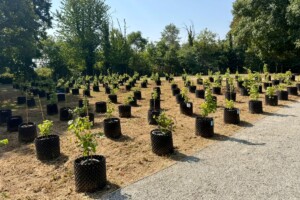
At the same time, as explained by Luca Facciano of the University of Brescia, environmental sustainability continues to represent one of the strategic pillars of research for Franciacorta. Projects developed in recent years investigate soil biological quality and vineyard biodiversity through advanced zoning protocols, while specific trials assess the use of biochar and natural biostimulants to improve soil fertility and vitality. In this context, initiatives aimed at reducing the environmental impact of viticulture are also ongoing, including projects dedicated to plastic-free vineyards and the development of digital tools for agronomic and phytosanitary management. Sustainability thus evolves from a project objective into a structural element of the denomination competitiveness, outlining a model of viticulture increasingly oriented toward regenerative principles.
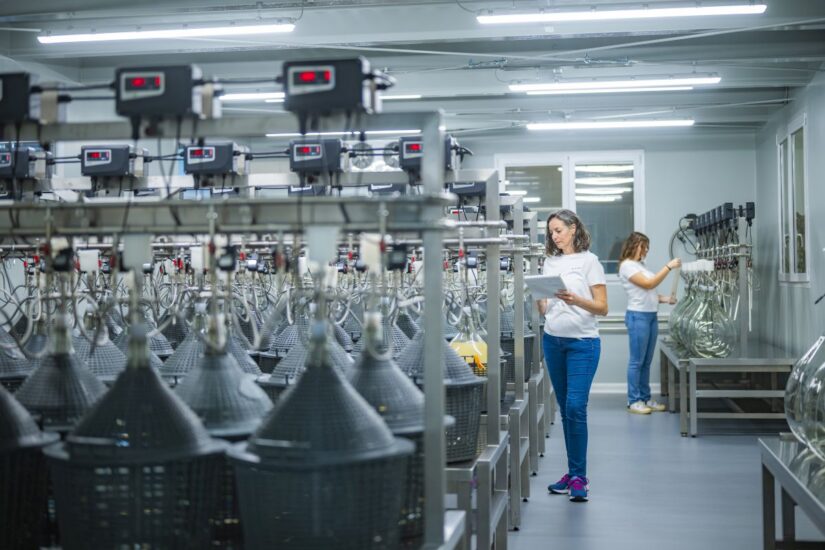
On the wine front, the conference confirmed the growing role of the microvinification laboratory as a tool for verification and experimentation. In 2025, micro-tirage activities and experimental harvests were carried out, accompanied by the development of standardized sensory protocols for qualitative monitoring of microvinifications. This area also includes studies on the potential of Erbamat and case studies from the GrapePress4.0 project applied to Chardonnay and Pinot Blanc. In addition, work on the standardization of the sensory panel designed to reduce subjectivity in evaluation and on press-process markers was highlighted with the aim of defining guidelines useful for sparkling wine production.
Climate change represents a further central research area for the denomination. Through experimental vineyards and advanced irrigation management systems, technicians are developing agronomic models capable of ensuring production stability and grape quality even under increasingly more variable climatic conditions working in particular on the optimization of water resources and on vineyard adaptation to new environmental conditions.
Finally, the Report also provides an updated snapshot of the structure of the Franciacorta vineyard area. In 2025, the total vineyard surface reached 3,546.3 hectares, with 2,744.6 hectares of Chardonnay and 678.6 hectares of Pinot Noir. Particularly, Pinot Noir has strengthened its share of the total vineyard area over the past decade, rising from 14.8% in 2014 to 19.1% in 2025, with an increase of around 273 hectares.
Overall, therefore, the “Research & Development Activity Report” No. 4 offers, concludes the note, the image of a denomination which entrusts scientific knowledge as one of its strategic pillars. Through an articulated network of agronomic studies, wine experimentation, and climate monitoring, Franciacorta strengthens its ability to address contemporary environmental and production transformations, while keeping wine quality and territorial sustainability at the core.
Copyright © 2000/2026
Contatti: info@winenews.it
Seguici anche su Twitter: @WineNewsIt
Seguici anche su Facebook: @winenewsit
Questo articolo è tratto dall'archivio di WineNews - Tutti i diritti riservati - Copyright © 2000/2026