
Saturday 12th of September 2026 - Last Update: 11:47




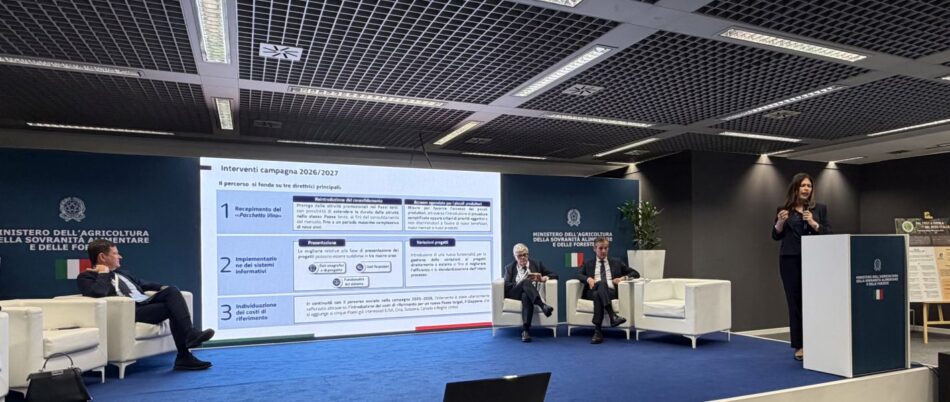
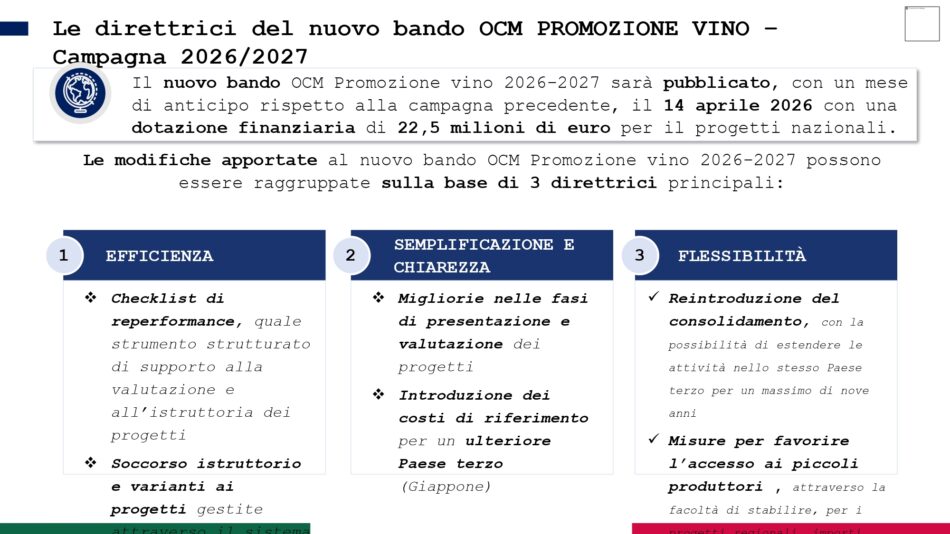
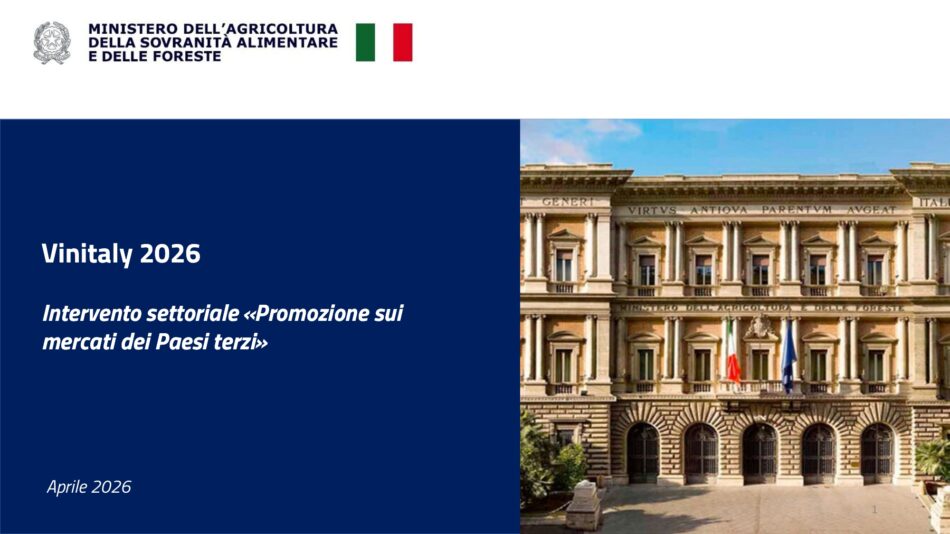
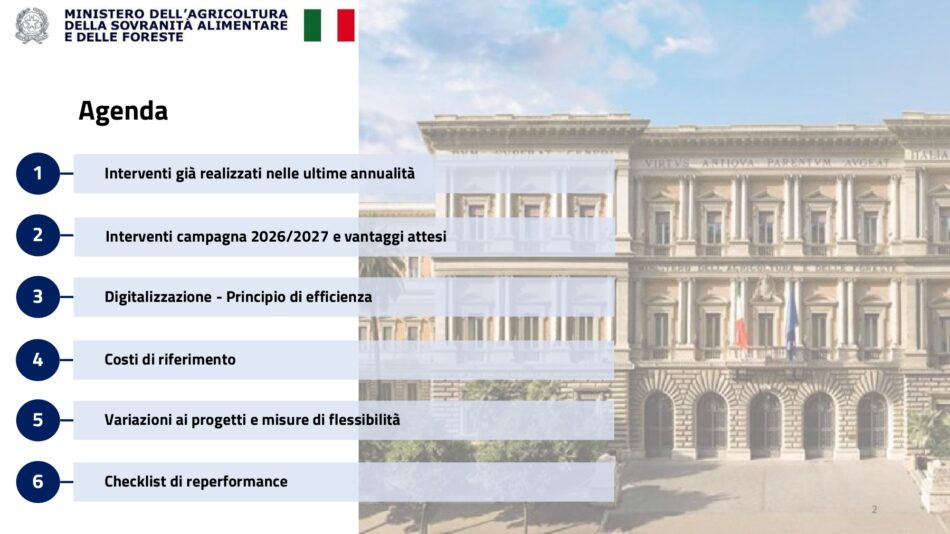
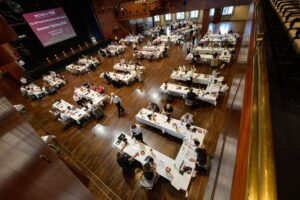
Despite a highly uncertain global scenario, the Italian wine sector continues to demonstrate its solidity and its leading role on international markets, a position which will be further strengthened by the new Ocm Promotion measure for the 2026-2027 campaign. This measure will make available total resources amounting to over 98 million euros, of which 22 million euros will be allocated to national programs, with the remaining share to be assigned through regional calls and multi-regional programs. These issues were discussed at Vinitaly 2026 in Verona during a meeting organized by Ismea in conjunction with the Ministry of Agriculture entitled “Il vino italiano dall’analisi di mercato alle politiche di settore - Il nuovo Bando Ocm Promozione del vino nei mercati dei Paesi terzi” - “Italian wine: from market analysis to sector policies - The new Ocm Promotion Call for Wine in Third-Country Markets”. The event was dedicated to analyzing the competitive landscape and the growth prospects for demand in foreign markets, also in light of the recent free trade agreements with Mercosur and India. On this occasion, the new call for the submission of wine promotion projects under the sectoral intervention dedicated to third countries was presented, offering operators an up-to-date overview of the opportunities available to support internationalization.
As illustrated by Tiziana Sarnari, head of the Geographical Indications Office at Ismea, “Italy has maintained its global leadership with a production of 44 million hectoliters (+0.7%) and exports totaling approximately 21 million hectoliters. With 7.8 billion euros generated on foreign markets, Italy has confirmed its position as the world second-largest exporter in value terms. This performance has been driven by quality: around 90% of exports consist of wines with a Geographical Indication, confirming a shift in consumption towards higher-value segments. Among the key drivers of demand, the role of wine tourism continues to consolidate, a phenomenon that, according to the most recent estimates, involves 18 million Italians and generates a value of 2.5 billion euros”.
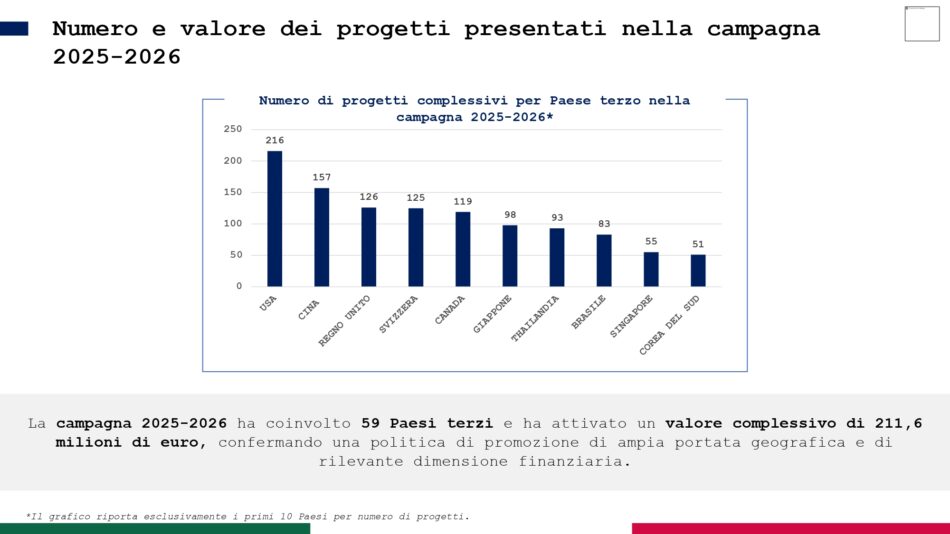
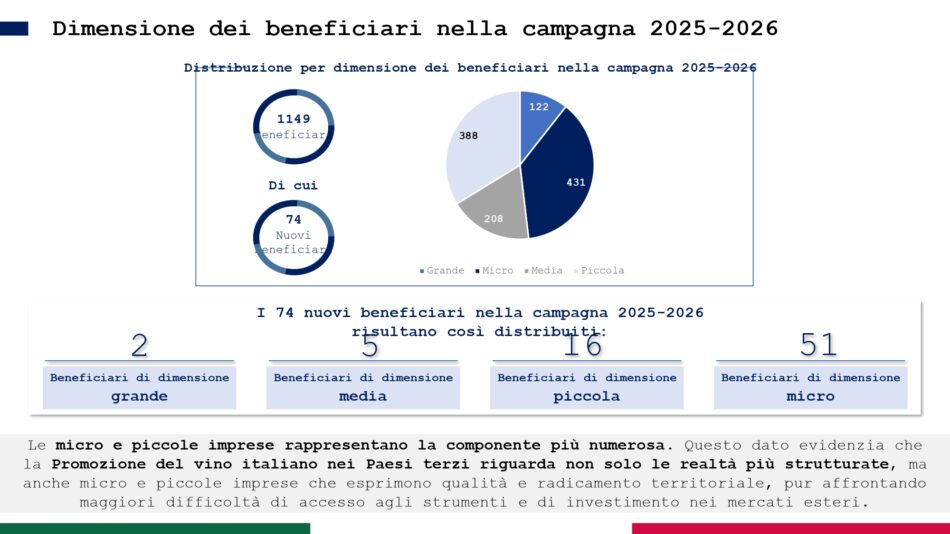
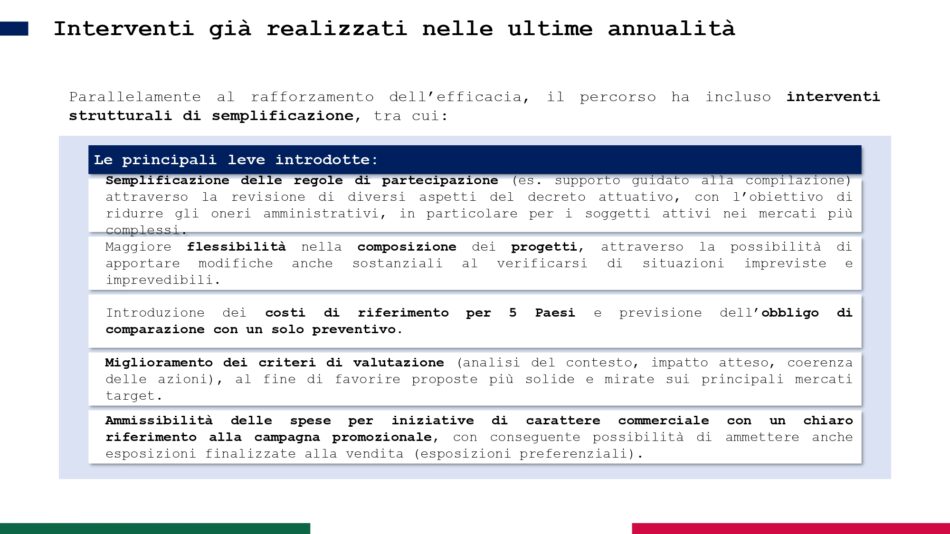
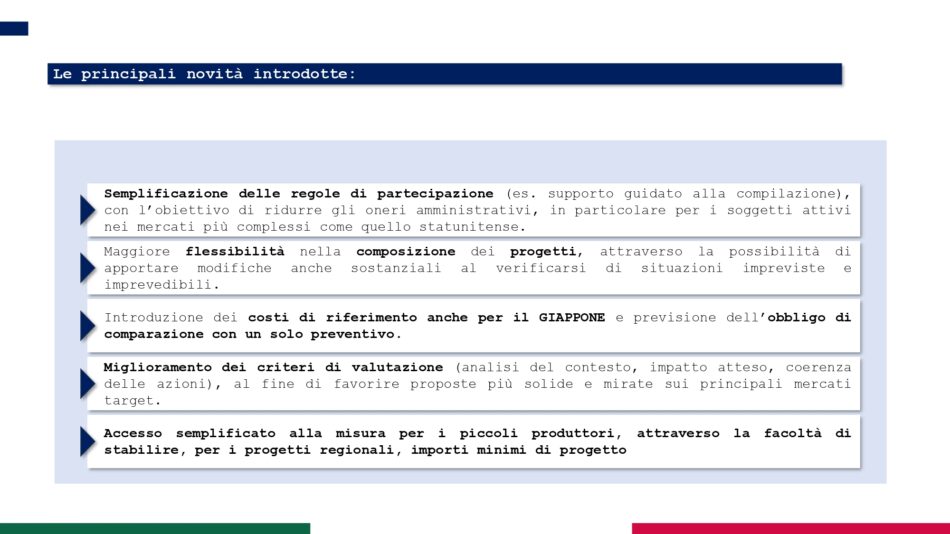
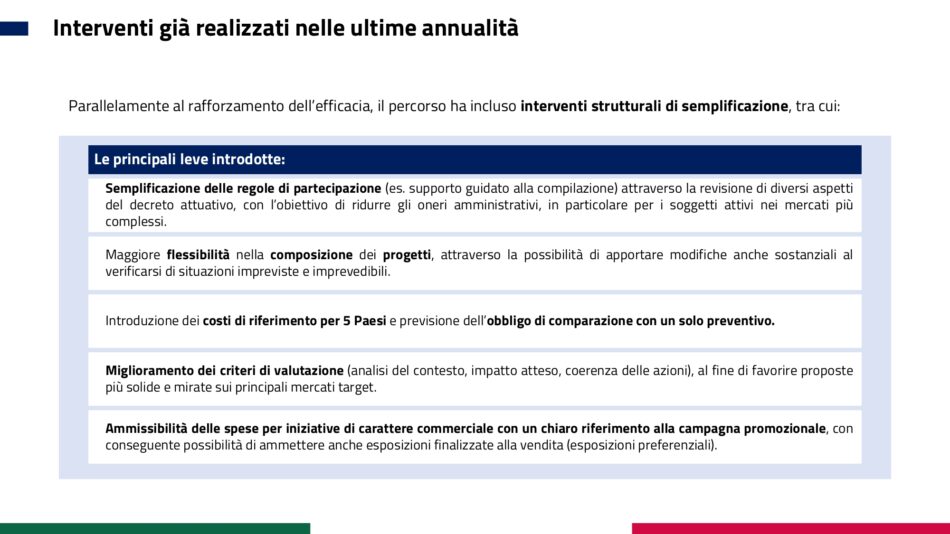
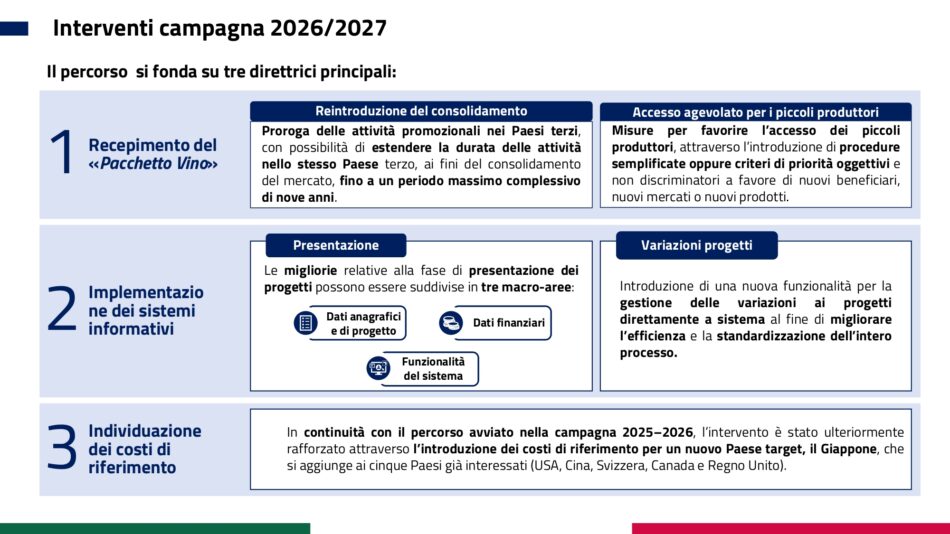
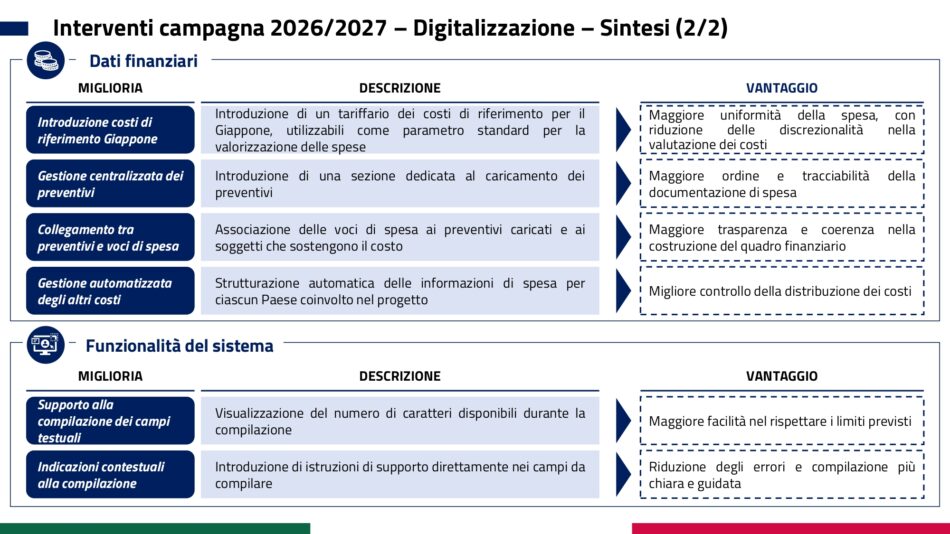
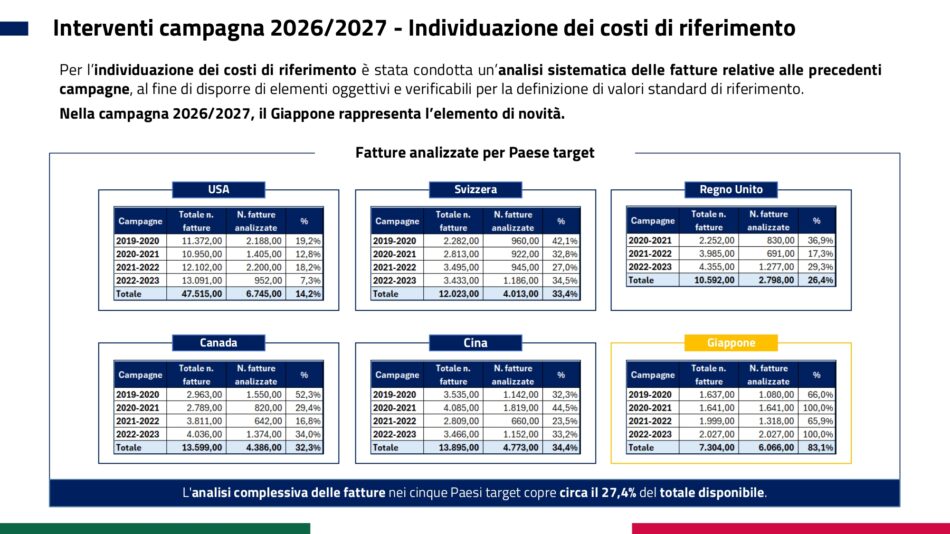
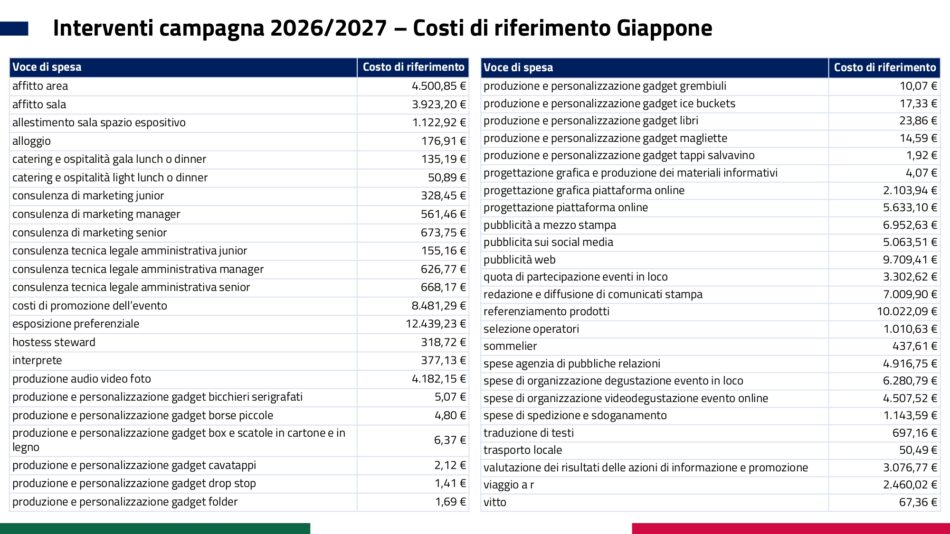
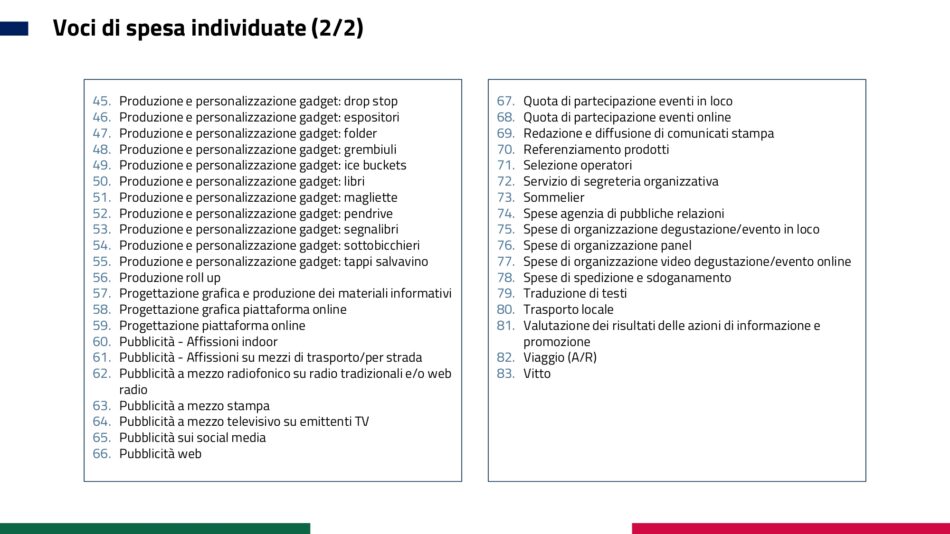
While the 2025-2026 campaign was extremely satisfactory, with the full utilization of available resources amounting to 211 million euros, producing significant effects on the sector, involving 59 countries and with a predominance of micro and small enterprises among the beneficiaries, the upcoming campaign begins under the best possible auspices. “With the new Ocm Wine Promotion Call 2026, we are continuing a process already launched over the previous two years together with all sector associations in order to make the support provided to our companies exporting to non-EU countries increasingly effective - declared Marco Lupo, head of the Department for Food Sovereignty and Equine Affairs at the Ministry of Agriculture - this year, we have further anticipated the publication of the call, so as to give operators more time to plan and implement initiatives. We have introduced additional flexibility to allow projects to be adapted in a highly complex international context, as well as simplifications in the application and reporting phases. The results achieved in recent years in terms of resource utilization and the appreciation received from the entire supply chain for the work carried out confirm that we are heading in the right direction and encourage us to improve every year”. The addition of an additional eligible country for promotion, Japan, and the abolition of the requirement to submit three quotations for each cost item has to be added, often from foreign suppliers, which had represented a particularly burdensome obligation for producers.
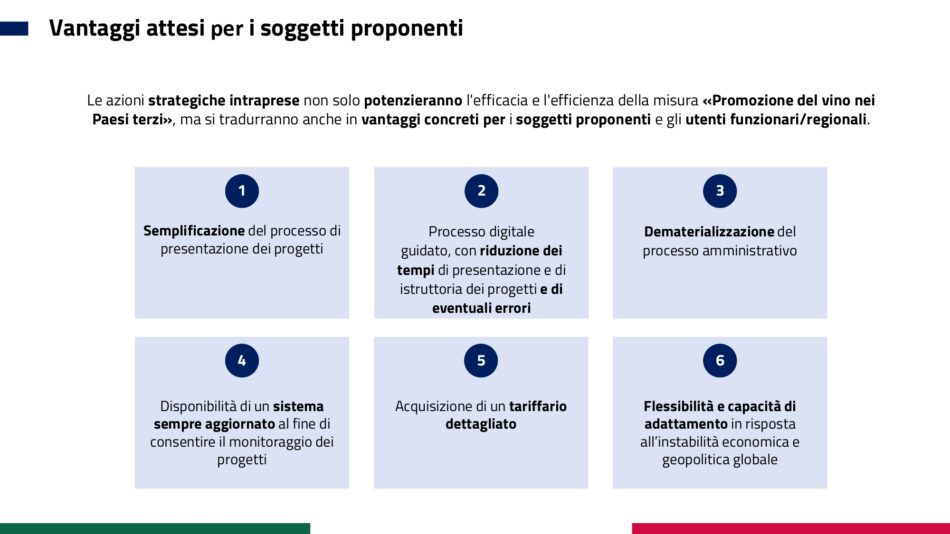
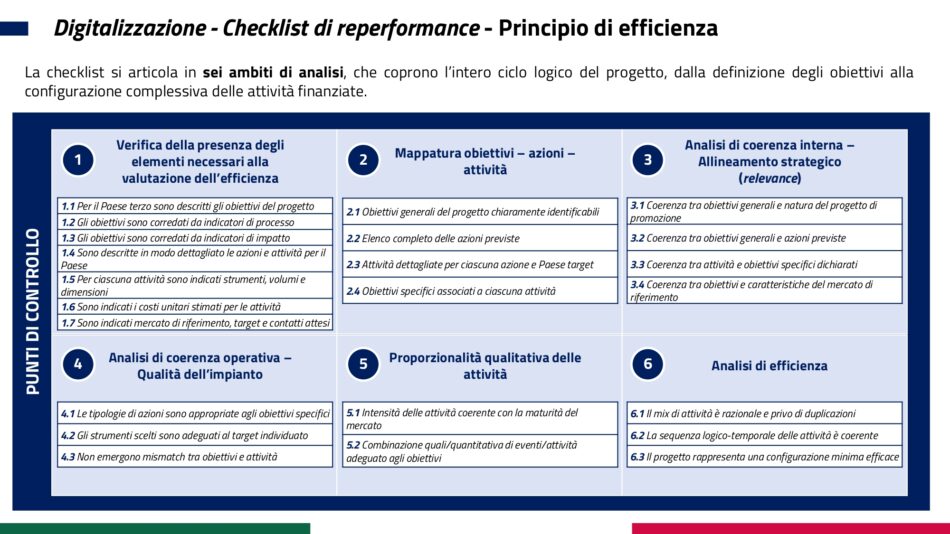
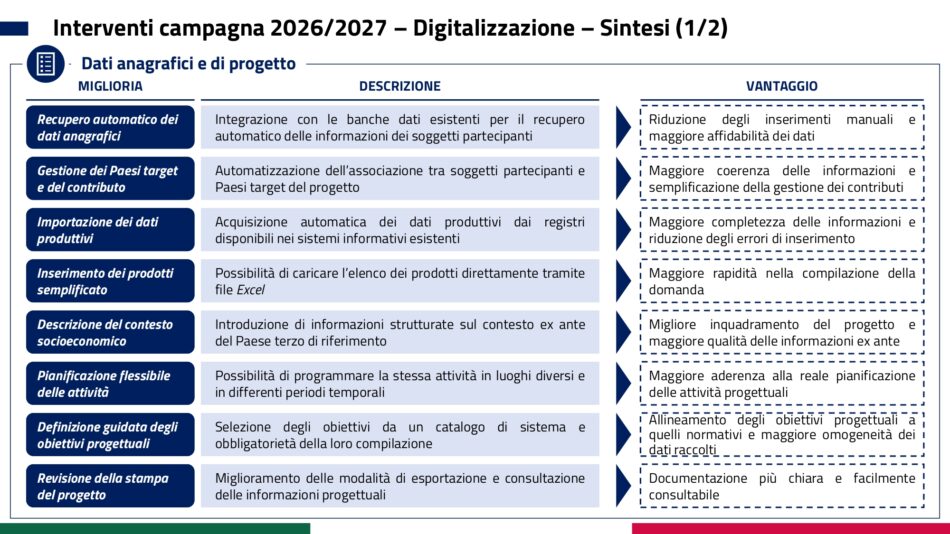
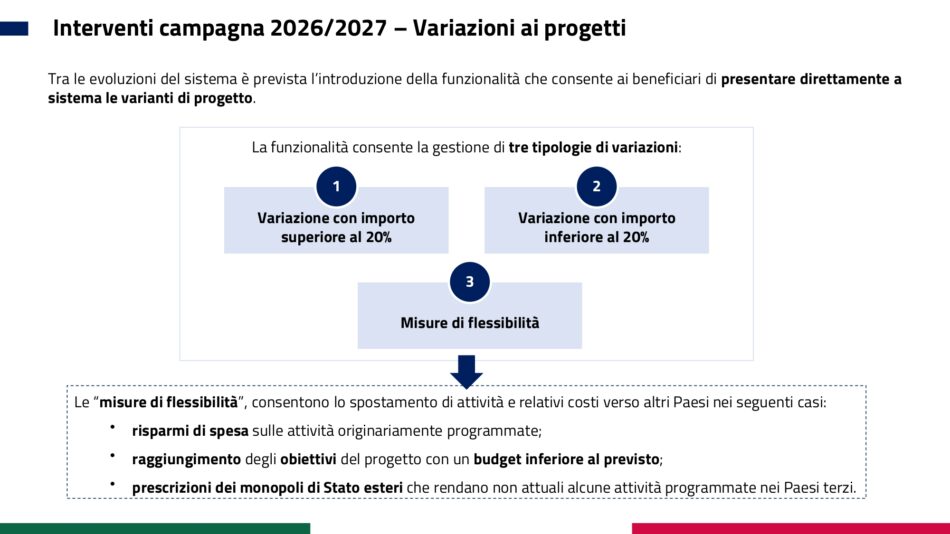
Further details on the innovations and the positive impacts for producers wishing to access the new Ocm Promotion measure for the 2026-2027 campaign were provided by Teresa Nicolazzi, director general of Agea-Bi at the Ministry of Agriculture. She emphasized that the significant new features introduced are the result of intensive collaboration between the Public Administration and producers, with the aim of simplifying procedures and offering concrete benefits to the wine sector. “Thanks to a careful analysis of projects from previous years and an advanced digitization process, applications for the Ocm Wine scheme are now simpler and more user-friendly - she explained - starting with the pre-loading of data. The system already contains beneficiary profiles, stock levels and wine information. Application forms are also assisted, with general and specific objectives pre-set to ensure consistency with regulations and to reduce errors. The uploading of quotations is unified, meaning that a single entry can be used for multiple expenditure items, with automatic valuation. Moreover, access for small producers is facilitated by allowing regions to set lower project thresholds. Amendments can be managed directly and swiftly through the platform, without the need for paper-based submissions. Greater flexibility is also foreseen in the event of geopolitical or market changes, with the possibility of reallocating budgets to other target countries”.
For the first time, the window for submitting applications has been brought forward, allowing producers to plan their promotional activities on international markets with greater peace of mind. This advance represents a further competitive advantage, especially in a context of dynamic and complex markets. These innovations, combined with the implementation of a more efficient digital system, aim to reduce the bureaucratic burden on wine companies, ensure faster evaluation processes and encourage the full participation of producers in the program for the promotion of Italian wine abroad.
Praise for the strengthening of support instruments such as the Ocm Promotion measure and for the synergistic work between institutions and the supply chain came from Livio Proietti, president of Ismea, who stressed that, in a complex global context, these elements are essential to consolidating Italy leadership and to supporting, in particular, smaller operators along their paths of internationalization and growth.
During the debate, the importance of the work carried out by the Ministry on the new Ocm measure was widely acknowledged. Luca Rigotti, president of the Wine Sector of Confcooperative (as well as president of the Copa-Cogeca Wine Group, the Mezzacorona Group and the Consorzio DOC delle Venezie), highlighted in particular the progress made in the digitization of procedures and the work carried out at European level with the “Wine Package”. He reiterated the need to continue along this path, alongside diplomatic efforts aimed at resolving the issue of tariffs in the US market, which is currently further constrained by an unfavorable euro-dollar exchange rate.
Rita Babini, President of Fivi - the Italian Federation of Independent Winegrowers, expressed her appreciation for the introduction of the option for regions to lower the minimum access threshold for Ocm projects, noting that this measure can foster greater inclusion of small producers. She also thanked the Ministry for its efforts in making the system fairer and more accessible.
With regard to growth prospects, Ismea director Sergio Marchi highlighted how free trade agreements, particularly those with Mercosur and India, could open up significant opportunities for the sector, starting with the immediate elimination of tariffs on sparkling wines. Although the area currently represents only a marginal share of European and Italian exports, growth prospects appear promising. In particular, a simulation on the Brazilian market shows savings for importers of around 0.66 euros per liter, a competitive advantage capable of stimulating new demand and supporting the expansion of Italian exports.
During the discussion, Gabriele Castelli, director of Federvini, while acknowledging the strong impact of tariffs, underlined the resilience of the Italian sector, which has recorded better performance than its main international competitors. This resilience, he noted, represents a solid foundation for confidently embracing the new opportunities offered by emerging markets.
In this context, the fundamental role of institutions was also highlighted, with particular reference to the work carried out by the Ministry of Agriculture in defining an Ocm call which is more closely aligned with the needs of businesses. Carmen Caruccio, Senior Policy Officer at Unione Italiana Vini - Uiv, also highlighted the strategic value of free trade agreements, underlining how they create fairer and more favorable access conditions to international markets, and how promotional measures in third countries represent the key tool for turning these opportunities into a tangible presence on global markets.
Finally, again with regard to the Ocm scheme, Silvana Ballotta, an expert in the Wine Promotion measure and manager of the consultancy firm Business Strategies, pointed out that the digital platform represents an important link between the application phase and the stages of project management and reporting, ensuring transparency, ease of access and administrative simplification.
Copyright © 2000/2026
Contatti: info@winenews.it
Seguici anche su Twitter: @WineNewsIt
Seguici anche su Facebook: @winenewsit
Questo articolo è tratto dall'archivio di WineNews - Tutti i diritti riservati - Copyright © 2000/2026