







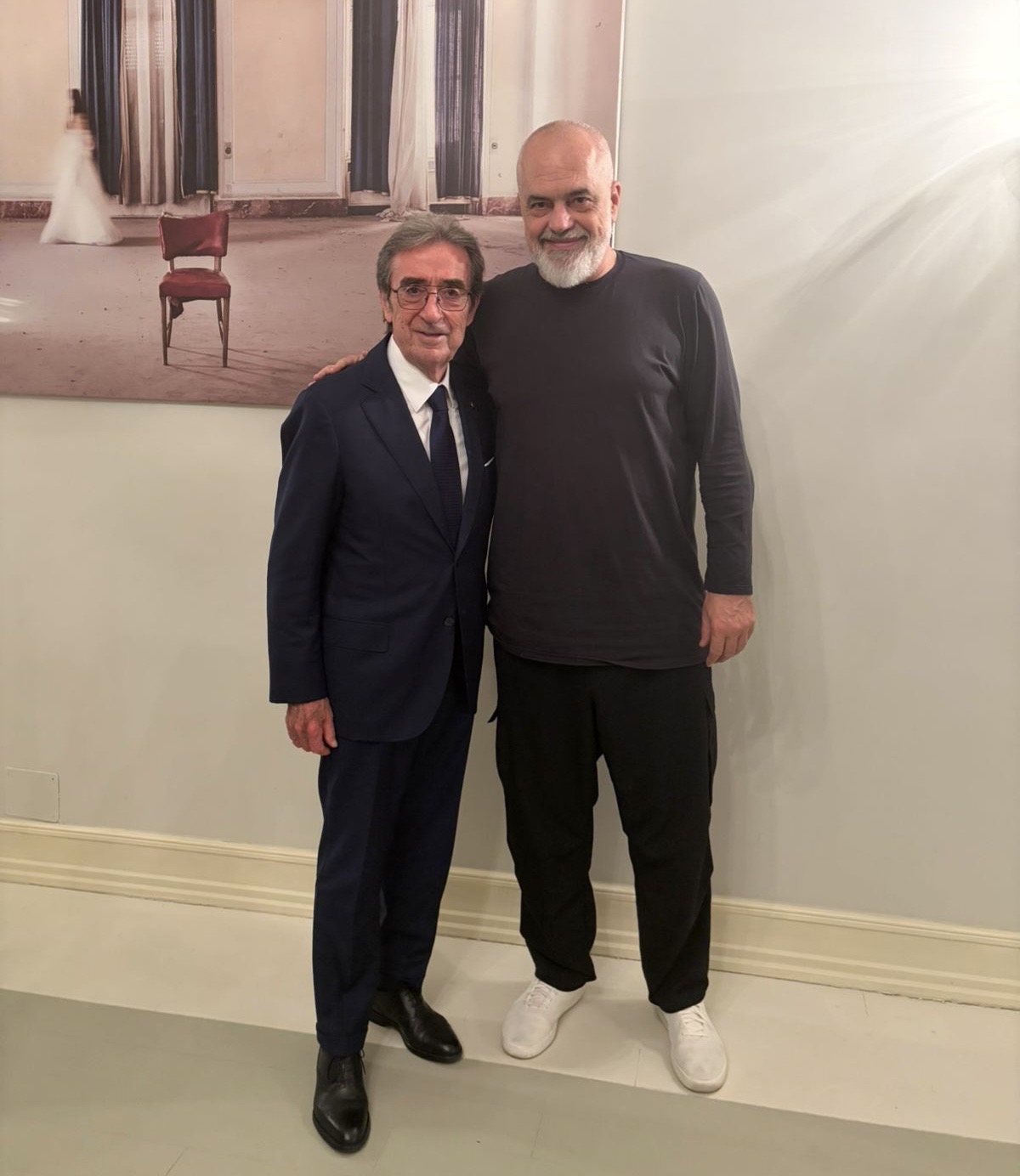
Albania looks to the Italian wine model and relies on one of the most renowned Italian enologists, Riccardo Cotarella, to modernize its viticulture: Cotarella, president of Assoenologi and consultant of more than 80 major wineries in Italy and worldwide, was personally chosen by Albanian Prime Minister Edi Rama. His task will be to improve the quality of the country wines and bring Albanian winemaking onto the international stage. In particular, Cotarella will focus on modernizing the sector through the selection of native grape varieties, training new generations of viticulturists and enologists, and carrying out research, including through scientific centers and experimental wineries. “A very demanding project, but with great potential”, explains Riccardo Cotarella to WineNews.
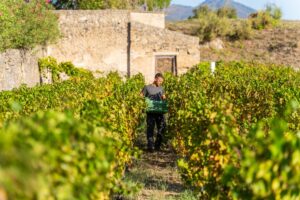
“I was directly contacted by Prime Minister Edi Rama, whom I have visited twice and with whom I have already established a relationship of mutual respect and friendship - explains Riccardo Cotarella to WineNews - the project is very challenging, as it first involves monitoring the territories - there are 3 or 4 very interesting areas in southwestern Albania. The country has a rich heritage of native grape varieties, both white and red. Once the grape varieties and territories are identified, vineyards will be planted, but in the meantime, rather than waiting 6 years, we will carry out experimental work. This land has great potential due to its exposure, soil, and other factors; as for the grape varieties, we will see. It is certainly a country which can make its mark in the wine sector: there is great pride, and wine also represents a symbol of rebirth. Everyone is enthusiastic, every day Albanian wineries contact me to carry out trials. For this project, I will rely on collaborators both locally and from Italy. It is a significant commitment, but I enjoy challenges and I am sure it will bring great satisfaction to them, as they are investing heavily in it”.
Indeed, Albanian Prime Minister Edi Rama, interviewed in recent days by deputy editor Luciano Ferraro in “Corriere della Sera”, said that this is not only a rebirth, but a restoration: “wine belongs to our history, our land, and our Mediterranean way of life. After the 1990s, it had to almost start again from scratch. Today we see families, young producers, enologists, and entrepreneurs rebuilding a story. The goal is to put Albanian wine on the map of Europe, not as a folkloric curiosity, but as a serious product of a Mediterranean country with native grape varieties, extraordinary landscapes, and a new culture of quality”.
The development program is designed for the long term: “the idea is to build a true Albanian wine identity”, declared Cotarella. The plan includes soil studies, climate analyses, and Dna investigations of grape varieties to verify their suitability for different areas. “It will also be essential to create a new experimental winery within the University of Tirana. A laboratory for soil and wine analysis will be established there, which should become a scientific and training center for the sector”, added Cotarella.
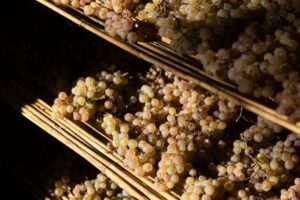
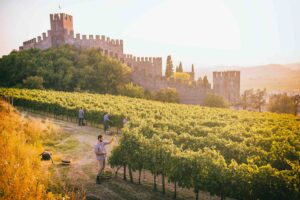
Particular attention is being given to traditional Albanian grape varieties such as Kallmet, Shesh i Zi, Shesh i Bardhë, Vlosh, and Puls. According to Cotarella, Albania has good conditions for producing distinctive wines with a clear regional identity. Currently, Albania has about 10,000 hectares of vineyards, many of which are still managed in a traditional way. At the same time, interest from international investors and producers in the country is growing. Riccardo Cotarella expects that the first results of the program could be visible within 2-3 years, while newly planted vineyards will require a period of 5-6 years before reaching regular production. However, Albania is also focusing on tourism, taking inspiration from Italy, as Prime Minister Edi Rama stated in “Corriere della Sera”: “Italy is a global school for wine, but above all it proves that wine is not just agriculture. It is landscape, culture, architecture, cuisine, family memory, tourism, exports, and national pride. But drawing inspiration doesn’t mean copying. Our wine must speak Albanian. Wine tourism is perhaps the most natural part of the project. Albania has a huge advantage: tourists are not only looking for the sea, but for experiences. They want to eat, drink, walk, and meet real people. Wineries can become gateways to territories: Berat, Përmet, Lezhë, Korçë, Shkodra, Elbasan, the Vjosa Valley, and even the surroundings of Tirana and Durrës. We don’t just want to sell bottles, we want people to experience the place from which those bottles arose”.
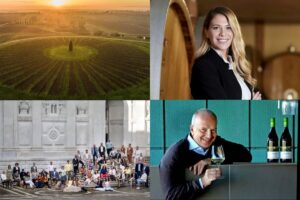
Riccardo Cotarella is one of the most authoritative Italian enologists in the world. Born in Umbria, in 1979 he founded the Falesco winery together with his brother Renzo (ceo of Marchesi Antinori, ed), which is now Famiglia Cotarella and headed by the third generation, the sisters Dominga, Marta, and Enrica. He is professor of Viticulture and Oenology at the University of Viterbo, consultant of more than 80 wineries in Italy and around the world, and president of Assoenologi.
Copyright © 2000/2026
Contatti: info@winenews.it
Seguici anche su Twitter: @WineNewsIt
Seguici anche su Facebook: @winenewsit
Questo articolo è tratto dall'archivio di WineNews - Tutti i diritti riservati - Copyright © 2000/2026