

Wednesday 28th of October 2026 - Last Update: 17:39



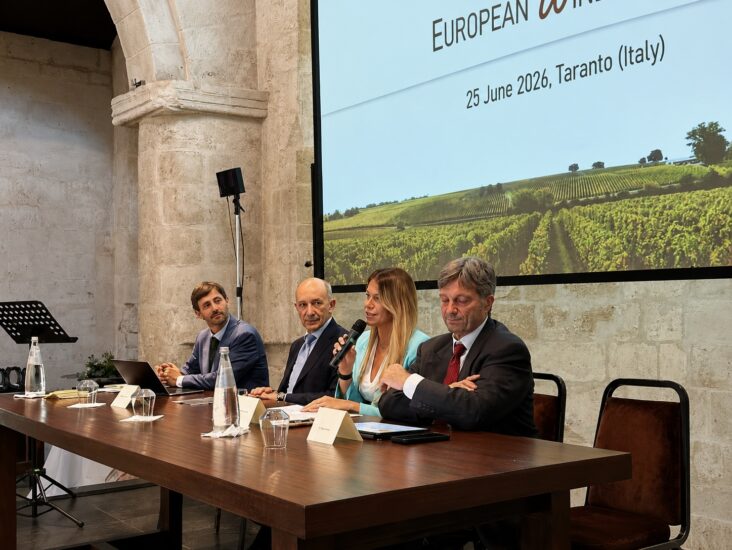
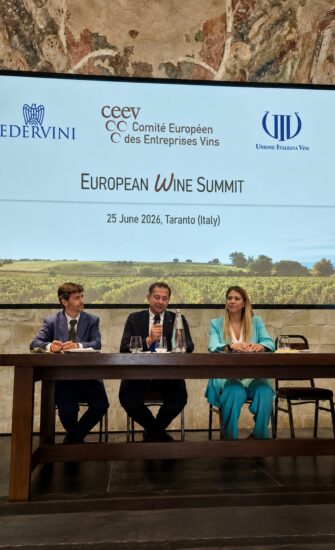
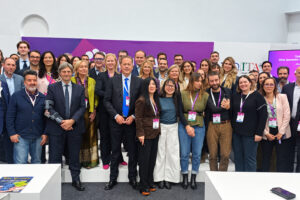
The European wine sector aims to look beyond its challenges, charting a new future that necessarily depends on synergy and collaboration between businesses and national and European institutions, based on an awareness of the value, not only economic, but also cultural, environmental, and in terms of identity, that wine holds for the European Union. This message was strongly reiterated today at the European Wine Summit, organized by the Comité Européen des Entreprises Vins (CEEV, which represents 25 organizations from 13 EU member states, as well as Switzerland, the United Kingdom, and Ukraine, and accounts for 90% of EU wine exports), led by Marzia Varvaglione, in collaboration with its Italian members, Federvini and Unione Italiana Vini (UIV), held today in Taranto, Puglia, with a strong institutional presence (from the EU Commissioner for Agriculture, Christophe Hansen, to Minister of Agriculture Francesco Lollobrigida, who spoke via video message, from ICE President Matteo Zoppas to numerous members of the European Parliament and representatives of the Italian wine industry (and preceded yesterday by a technical session hosted at the historic Leone De Castris winery, ed.).
The scenario is reflected in the numbers: consumption has fallen from 242 million hectoliters in 2016 to an estimated 208 million hectoliters in 2025, marking a 14% decline over the past decade. After reaching a record high of 38 billion euros in 2022, international trade is now stabilizing at around 33.8 billion euros annually. Yet, “in this context, the European wine model - which links local production to global markets through integrated supply chains - represents a fundamental element of resilience and competitiveness. By securing market outlets for their production, absorbing market volatility, and developing brands capable of establishing themselves beyond national borders, wine companies connect European wine-producing regions with consumers around the world, enabling thousands of producers to remain competitive in an increasingly challenging global economy. This integrated system, in which production, innovation, and demand work in synergy, supports the 130 billion euro contribution that the wine sector makes to the European economy”.
The focus was on strengthening the sector’s competitiveness, increasing the appeal of wine to consumers, adapting policy tools to current market dynamics, and the need for an evidence-based approach to health policies. It was also emphasized that recognizing the strategic role of wine businesses in the supply chain, strengthening access to international markets, implementing proportionate and harmonized regulations, and striking a better balance between sustainability goals and economic viability are essential elements for supporting the sector’s transition.
“We are not here to complain about our difficulties. We are here because we believe in wine. European wine embodies history, culture, terroir, craftsmanship, and conviviality. To ensure its future, we must rebuild our relationship with society, attract new adult consumers, and reaffirm the value of wine culture as an essential pillar of sustainability”, said CEEV President Marzia Varvaglione. Two topics were at the center of the debate: the future of the Common Agricultural Policy (CAP) and the adaptation of support measures for the wine sector, as well as the relationship between wine, science, and health policies. All participants reiterated “the importance of ensuring that future European policies support investment, innovation, and competitiveness, while preserving wine’s cultural and economic contribution to rural areas and European communities”, as well as the need to “maintain stable and predictable trade relations and strengthen the sector’s ability to respond to consumer expectations and the ever-changing dynamics of global markets”.
“European wine is much more than an agricultural product. It is part of our cultural heritage, our regional identities, and our rural economies”, emphasized Christophe Hansen, the European Commissioner for Agriculture and Food. “It embodies a body of knowledge passed down through generations. Today in Taranto, I wanted above all to hear directly from producers and understand the difficulties they are facing during a period marked by significant market, climate, and consumer-related challenges. This is precisely why we presented the “Wine Package”, to provide Member States and the sector with concrete tools to support adaptation and strengthen competitiveness. An open and ongoing dialogue between policymakers and the industry is essential for identifying long-term solutions for the European wine sector”.
“Today’s discussions confirmed a broad consensus across the entire wine supply chain and among policymakers: Europe needs a coherent, forward-looking strategy for wine. The sector is undergoing profound transformations, but it also has solid resources and significant opportunities. It is our collective responsibility to ensure that policy decisions support resilience, competitiveness, and sustainable growth”, concluded CEEV Secretary General Ignacio Sánchez Recarte.
Copyright © 2000/2026
Contatti: info@winenews.it
Seguici anche su Twitter: @WineNewsIt
Seguici anche su Facebook: @winenewsit
Questo articolo è tratto dall'archivio di WineNews - Tutti i diritti riservati - Copyright © 2000/2026