


Wednesday 28th of October 2026 - Last Update: 17:39






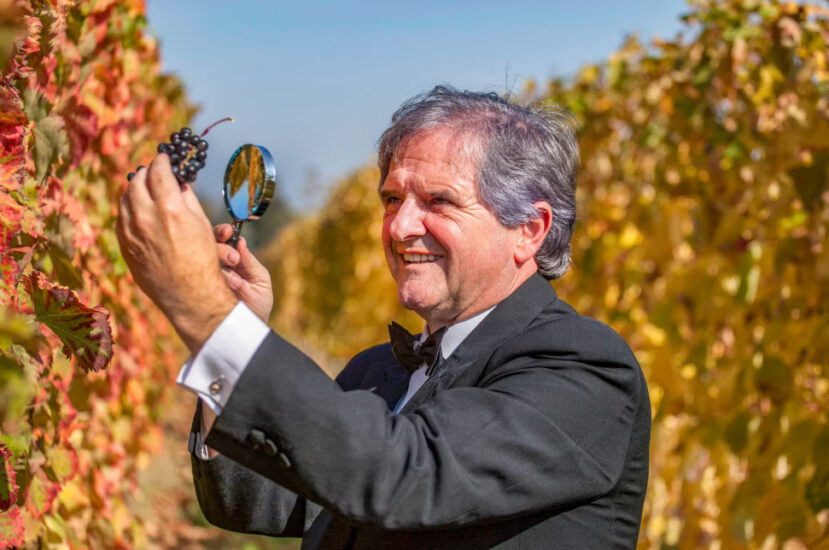
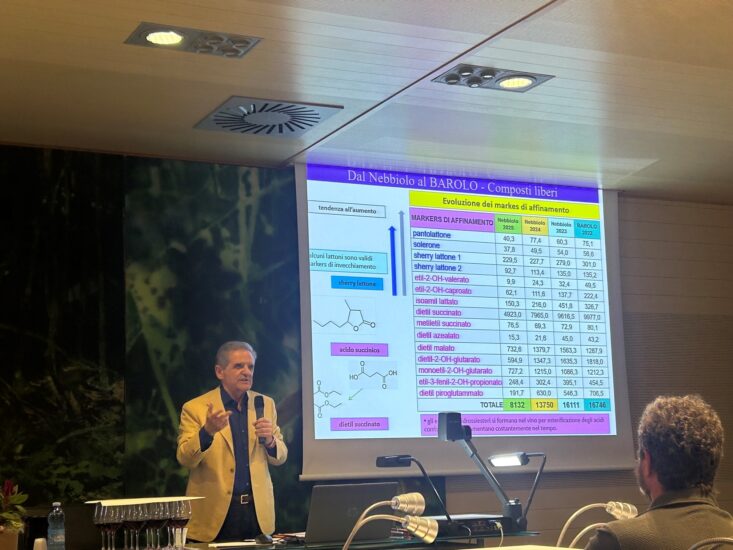
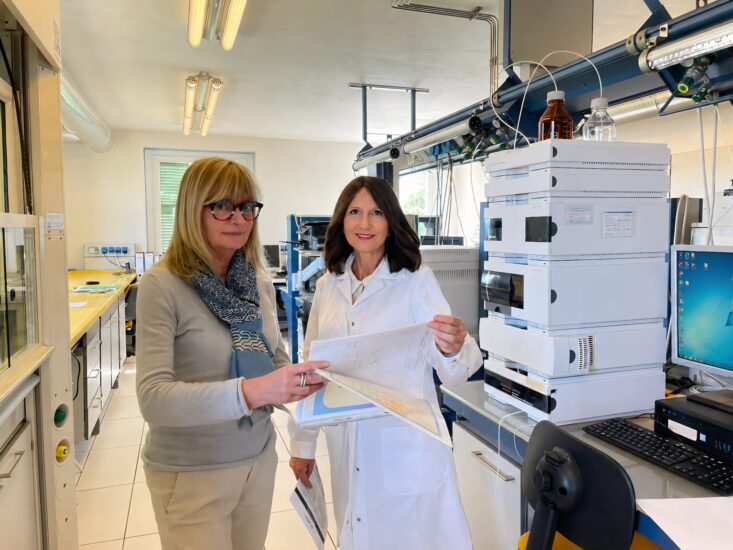
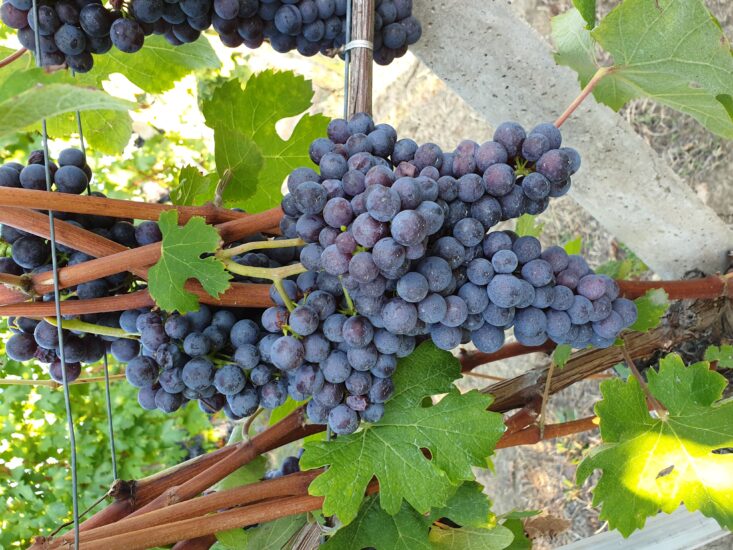
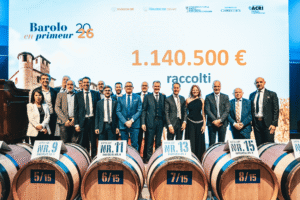
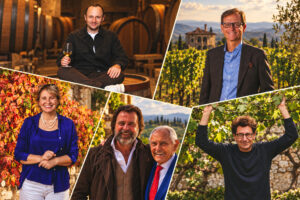
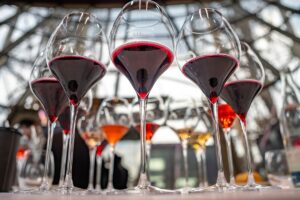
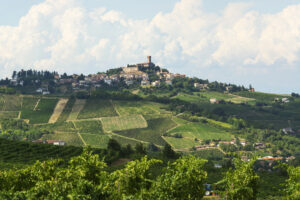
No longer “just” a palate delight offered through the noblest expressions of great wines, Barolo and Barbaresco first and foremost: Nebbiolo is now also discovering a potential benefit for health, thanks to its unique polyphenol profile and the possibility of being an “organic molecule applied in biomedicine”. It was discovered in a long research on the prince of Piedmont vines and among the most loved in the world, carried out by the Enosis Meraviglia Applied Research Centre for Oenology in Fubine, a world-class excellence led by Donato Lanati, one of Italy’s most accomplished and visionary oenologists, and his fellow oenologist Dora Marchi, presented in recent days at the technical tasting of the 2025 vintage Nebbiolo from Vigna Gustava, which grows around Grinzane Cavour Castle, whose wines will be featured at “Barolo en primeur” 2026, on October 23rd, the edition No.6 of the major charity auction organized by Cassa di Risparmio di Cuneo, Fondazione Crc Donare, and the Consorzio di Barolo Barbaresco Alba Langhe e Dogliani.
“The native Nebbiolo grape, which expert aging will transform into the symbol of Piedmontese winemaking excellence worldwide, which is Barolo, amazes and surprises beyond its hedonistic aspect. Its uniqueness, explains Donato Lanati, stems from its profound connection to its terroir, where the particular soil and climate conditions, combined with the grape’s genetic characteristics and human labor, favor the development of a wealth of phenolic and aromatic compounds that are difficult to reproduce in other wine-growing areas. This close relationship between grape variety and terroir gives Nebbiolo wines an unmistakable personality, characterized by elegance, structure, longevity, and extraordinary aging potential”.
The basis of this distinctiveness lies in the grape’s polyphenolic profile. “The grape skins”, adds Dora Marchi, “concentrate most of the molecules responsible for wine quality: anthocyanins, which determine the color of red wines; tannins, which contribute to structure, astringency, and aging potential; flavonols and phenolic acids, which promote color stability and provide high antioxidant activity”. Among the distinctive characteristics of Nebbiolo, therefore, explain Enosis Meraviglia, is its distinctive anthocyanin profile. “Unlike most red grape varieties, in which malvina predominates, Nebbiolo has a higher concentration of peonin, accompanied by high amounts of cyanin, delphinine, and their derivatives”, explains Marchi “this composition represents a true varietal signature and contributes to the characteristic chromatic evolution of Barolo. During vinification, anthocyanins are solubilized and, during fermentation and aging, they transform into new, more stable pigments, such as vitisins and other pyranoanthocyanins, which are essential for preserving the color in great wines destined for long aging periods”. Tannins also play a fundamental role. In addition to determining the typical sensation of astringency, they contribute to color stability, protect the wine from oxidative phenomena, and promote its aging. “As the years pass, the tannins tend to polymerize, becoming progressively less aggressive and giving the wine the softness and elegance that characterize great Barolo vintages,” emphasizes chemical analyst Patrizia Cascio.
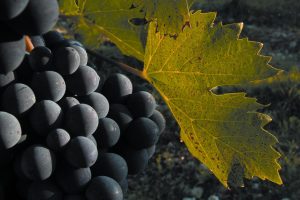
Nebbiolo grape skins are particularly rich in bioactive molecules, including quercetin, resveratrol, anthocyanins, and other bioflavonoids, known for their antioxidant, anti-inflammatory, cardioprotective, antibacterial, and antiviral properties. It is precisely for these characteristics, and especially for its polyphenolic content, that Nebbiolo has attracted the attention of biomedical research over the years.
“Studies have shown that polyphenolic extracts obtained from Nebbiolo skins possess particularly high antioxidant capacity, superior to that observed in other grape varieties”, Cascio emphasizes, “this activity is linked to the ability to neutralize reactive oxygen species (ROS), molecules involved in cellular aging processes and the development of numerous diseases. Controlling oxidative stress is currently a major area of interest in preventing cellular damage and in searching for new therapeutic strategies. In light of this, polyphenolic extracts have been developed using innovative green extraction techniques, subsequently characterized with spectrophotometric and chromatographic analyses”.
In collaboration with a national Oncology Research Center, these extracts were tested on tumor cell lines, demonstrating a significant reduction in cell proliferation and ROS production. “The results also highlighted an interesting synergistic effect with traditional chemotherapy drugs, opening up promising avenues for improving their efficacy and reducing their side effects in the future”, concludes Cascio. “This journey demonstrates how research, in this case specifically applied to a great traditional Italian grape variety, can lead to excellent results even in fields beyond winemaking”, says wine scientist Lanati, “thanks to research, Nebbiolo, a great flagship wine and hedonistic heritage valued worldwide, also proves to be a valuable source of natural biomolecules with high added value for the nutraceutical, pharmaceutical, and preventive medicine sectors”.
Copyright © 2000/2026
Contatti: info@winenews.it
Seguici anche su Twitter: @WineNewsIt
Seguici anche su Facebook: @winenewsit
Questo articolo è tratto dall'archivio di WineNews - Tutti i diritti riservati - Copyright © 2000/2026