


Monday 26th of October 2026 - Last Update: 15:22






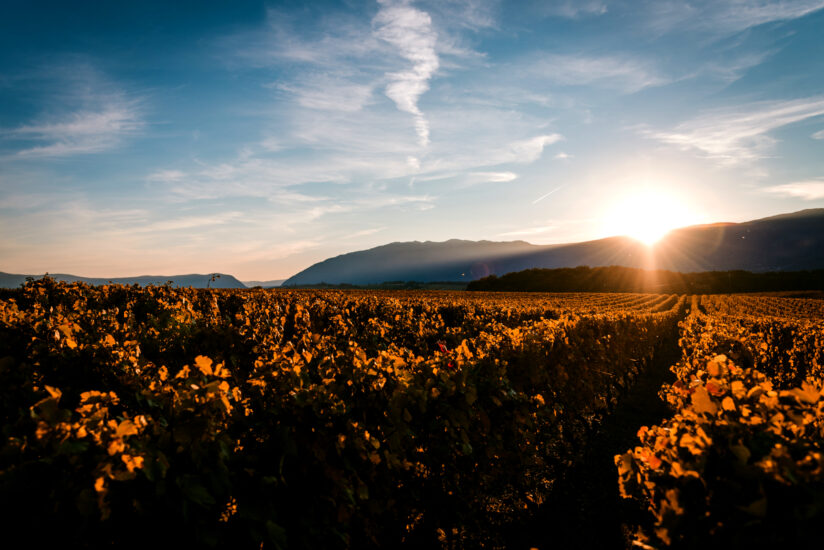

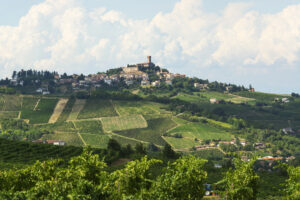
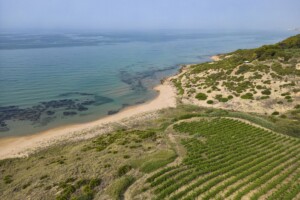
The heatwave which has been oppressing Europe for at least two weeks can’t be measured only in temperature records and health bulletins: in the countryside - in Italy, France, and other wine-producing regions of the Mediterranean - concern for the vineyards is growing. Temperatures above 35-38 Celsius degrees, with nights that never drop below 25 Celsius degrees, are putting plants under severe strain during a delicate phase of the season, the one preceding veraison. “For vineyards, it is not yet an emergency, but it depends on how long this abnormal heat lasts - explains Leonardo Valenti, professor of viticulture at the University of Milan and one of Italy leading experts, to WineNews - so far I have not detected problems related to stress; we will see what happens over the next 7-10 days. Fortunately, spring was good, in the sense that it rained enough and the soil has a good level of moisture. There is relatively little to do now: vegetation should certainly not be removed, as this allows the plant to benefit from the protection of the leaves, which help to mitigate the extreme temperatures we are reaching. As always, we have not implemented the policies that could have been useful, such as covering the grapes with nets or other systems, and therefore we face the typical problems of the season. In any case, the problem currently affects the Center-North more than the South”.
Talking to WineNews, Leonardo Valenti uses reassuring words about the effects of the record heat on vineyards: “so far I haven’t seen widespread problems related to stress. Of course, if it continues like this, something could emerge later, but for now let’s wait a few days before talking about a real emergency. At soil level there is good moisture (except in extreme soils, such as those very rich in sand): if we dig a hole in the ground now, thanks to the snow that fell in winter and the rain in spring, the soil still retains sufficient moisture”.
“There is relatively little to be done - continues Valenti - in the sense that there is always an active and a passive defense. Vegetation should certainly not be removed, so that the plant remains covered and protected by the leaves, which help to mitigate the extreme temperatures we are reaching. In my opinion, the problem concerns the Center-North more than the South, at least based on what I have seen: for example, last week in Basilicata there was nothing to report, even though it was very hot. The issue is always the same: we have not yet implemented the policies which could have helped, such as covering the grapes with nets or other systems, and therefore we are facing the typical problems of the season.
With these temperatures, the vine tends to shut down and stops photosynthesizing, entering a dormant state while waiting for better conditions. It depends on how long this situation lasts: even if it continues for a few more days - it seems that from the beginning of next week there will be changes in the weather - we will return to normal conditions and at that point there would no longer be any problems. As with everything, there is a limit beyond which one can’t go. That limit has not been reached yet. However, if it were to continue like this - and I sincerely hope it does not - we could face problems. “But we can talk about it again in about ten days”, concludes Valenti.
Copyright © 2000/2026
Contatti: info@winenews.it
Seguici anche su Twitter: @WineNewsIt
Seguici anche su Facebook: @winenewsit
Questo articolo è tratto dall'archivio di WineNews - Tutti i diritti riservati - Copyright © 2000/2026