


Monday 24th of August 2026 - Last Update: 12:04






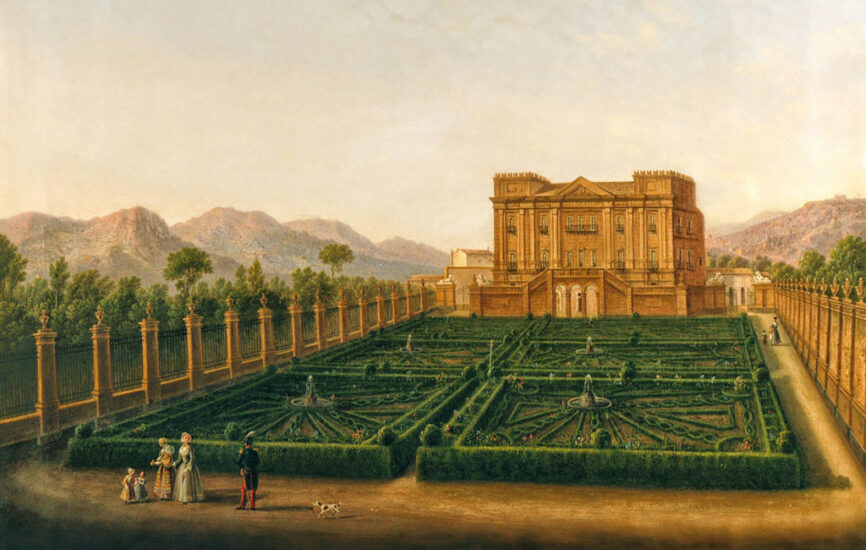

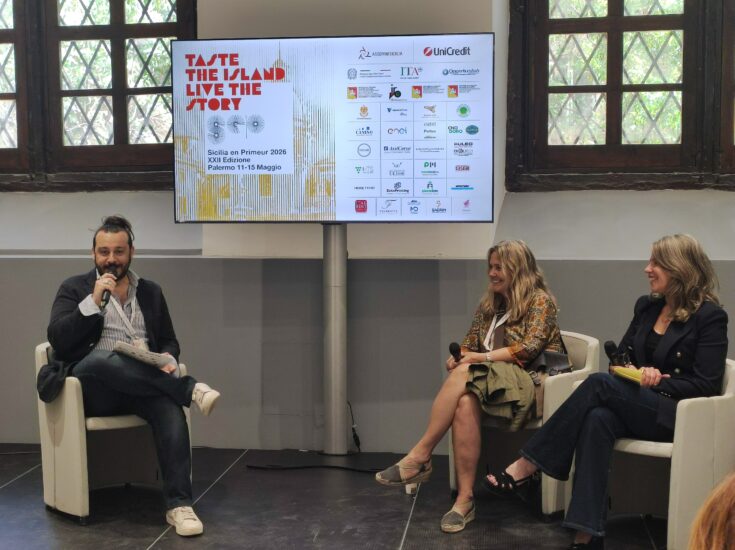
Are a saxophone and a console enough to bring art into the winery? What are the necessary conditions to bring these two worlds together? What are the insurmountable limits which one inevitably encounters? Can wineries become stable cultural hubs for art? How much does wine help amplify art? These are the questions that the talk “Vigna e cantina: paesaggio e contenitore culturale” - “Vineyard and winery: landscape and cultural container” tried to answer, featuring the prestigious participation of landscape architect Patrizia Pozzi (creator, among other things, of the agri-cultural park of Villa Tasca in Palermo and the redevelopment project of San Siro in Milan), and Agata Polizzi, art historian and independent curator (who has collaborated with the Mario Merz Foundation in Turin and Planeta, and is editorial director of “My Art Guide Italia”), together with food journalist Francesco Seminara, at “Sicilia en Primeur” 2026 by Assovini Sicilia, which concluded today in the heart of Baroque Palermo.
The conversation highlighted the ability of art - and the expertise it brings - to mend the relationship between agricultural landscape and winery; to enhance the value of the experience that wine enthusiasts seek in wineries; and to translate family and personal history, physical and emotional sensations, insights, and the landscape context into a visual creation that is accessible and understandable, especially through listening, teamwork, and the use of one body, all essential foundations for creating original and authentic projects.
“Wine contains history, family, places, experiences, and expectations that must be perceived and incorporated into the architectural project, remaining closely connected to the surrounding landscape”, explained the creator, among other things, of agri-culutal park of Villa Tasca in Palermo, and of the the San Siro redevelopment project in Milan Patrizia Pozzi, describing why, in her view, wineries have become patrons of the arts: “hospitality has grown enormously in Italy (and in Sicily in particular, ed) after 2010, and wine producers, who felt the need to create spaces that reflect and enhance their products, began to move toward building welcoming environments, helped by the intangible allure of wine that art and architecture can amplify”. Listening to the producer needs and vision, patience, immersion in the winery and vineyard context, attention to the details of the place as well as the relationship with the client, are all essential to identify the key elements on which to build the project. Alongside these, of course, there are skills not only in architecture but also, for example, in botany or anatomy, in order to work with nature rather than against it: “we must necessarily understand in order to act, allowing nature and the project to merge, overcoming the boundary that separates them”.
Acting also on the senses to create wonder, and allowing visitors to fully enjoy the experience, using something that (almost) all of us have: “today we are finally moving beyond the rule of “don’t touch” - explained art historian Agata Polizzi (with the active collaboration between the Mario Merz Foundation in Turin and Planeta, and editorial director of My Art Guide Italy) - the distrust that had developed toward art, which was not to be damaged”. In fact, interacting with artworks is essential to make contemporary art useful and understandable, to understand, empathize, and learn something new that one might not even imagine exists. Creating emotions also builds a connection, which is the ultimate goal of a winery: to be remembered and to bring visitors back. Allowing guests to experience something more, to be amazed by theater, exhibitions, and concerts held in the same places where they drink the wine in their glass, is a path that is far from obvious: “it requires planning and rigor, a process built on dialogue and exchange; it is a work of translation and mediation between artists, curator, and patron, bringing together different perspectives, visions, and desires. It is never a solitary, individual act. Whether it is an artwork, a building, or a garden - pointed out Polizzi - art in its many forms navigates together with the context, and the result must make the guest fall in love, spark curiosity, be intriguing, attract, and inspire dreams: only then does it succeed. And the console is, of course, only the most visible part, behind it lies a great deal of work and craftsmanship”.
Within all this, technology and digital tools are present, but they remain just that: tools. They can’t be a starting point, nor can one rely on them entirely. As a collective, intuitive, and listening-based process, turning vineyards and wineries into cultural containers must begin with the senses and ideas rather than technology, with all its limits despite its innovations. The use of pencil, eraser, and hands helps develop a sense of proportion, manual skill, and attention to detail and harmony. “However, I have noticed a return among young people to basic skills, to the emotion of using wax”, Pozzi concluded with relief suggesting that technology is not essential, but useful. The same applies to the art historian and independent curator, who considers it indispensable to work with craftsmen and artisans, only later translating a project digitally, one who is already highly material from the start, like installations designed with paper and tape.
A vision of art that places humans back at the center and in harmony with their environment, helping wine to do the same.
Copyright © 2000/2026
Contatti: info@winenews.it
Seguici anche su Twitter: @WineNewsIt
Seguici anche su Facebook: @winenewsit
Questo articolo è tratto dall'archivio di WineNews - Tutti i diritti riservati - Copyright © 2000/2026