


Wednesday 28th of October 2026 - Last Update: 17:39





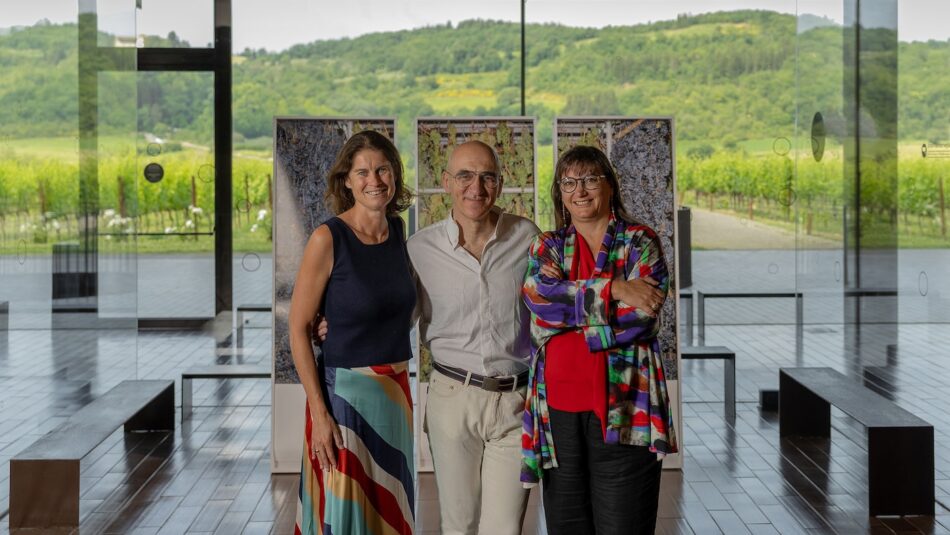
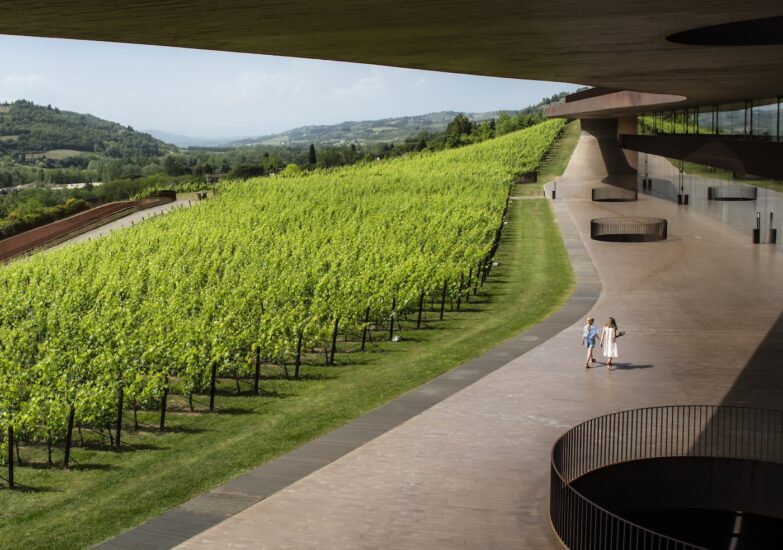
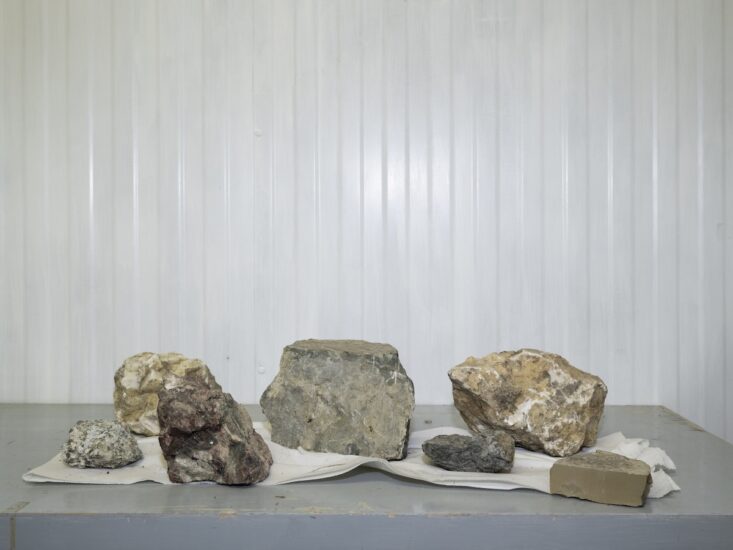
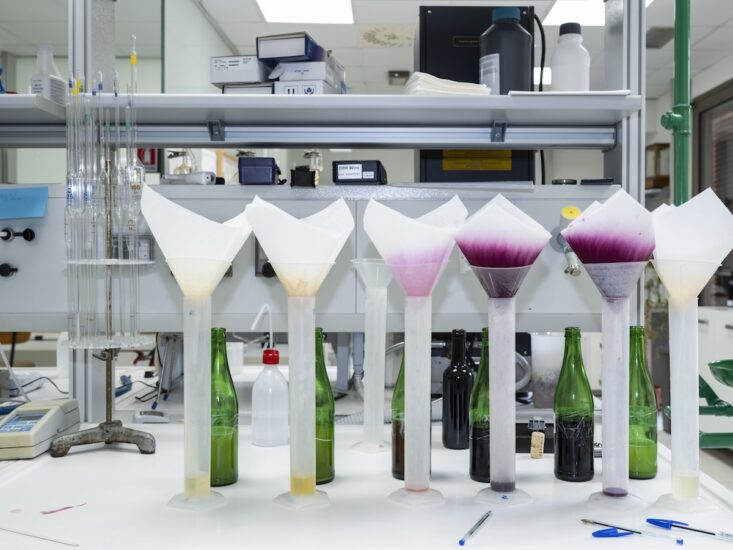
A strong and inseparable bond between wine and art, with leading made in Italy wineries not only collecting works by established and emerging artists, but often acting as patrons as well. Such as Antinori, one of the most important names in Italian wine, which since 2012, with the creation of the “Antinori Art Project” - the collection and platform dedicated to contemporary visual research - has entrusted art with the task of telling its story. The latest acquisition is the work “Sampling the Vineyard”, commissioned to photographer Armin Linke and curated by Ilaria Bonacossa, which now enriches the permanent collection of the Antinori Winery in Chianti Classico. This new work enters into dialogue, within the iconic and monumental estate in the heart of Tuscany, with pieces by Yona Friedman, Rosa Barba, Jean-Baptiste Decavèle, Tomás Saraceno, Giorgio Andreotta Calò, Nicolas Party, Jorge Peris, Stefano Arienti, Sam Falls, and Elisabetta Benassi.
The project for “Antinori Art Project” arises from a deep observation of the Antinori family estates, where centuries of winemaking tradition coexist with advanced agricultural technologies. Far from offering an aesthetic representation of the landscape, the work explores the vineyard as a complex system in which agronomic knowledge, scientific research, climate observation, and tradition are continuously intertwined. Rather than focusing on an idyllic image of the countryside, Armin Linke investigates the structure of knowledge that makes wine production possible in the 21st century, presenting the vineyard not just as an agricultural landscape but as a layered organism of expertise, practices, and decisions. “Inviting Armin Linke to work at the Antinori Winery in Chianti Classico arises from his ability to operate like an anthropologist of contemporary society through photography, documenting its transformations - comments Ilaria Bonacossa, curator of the Antinori Art Project since 2014 - through images which are both monumental and intimate, his work provides an effective portrait of the Anthropocene era”.
“Armin Linke is an international photographer who works like a sociologist, narrating contemporary reality and its transformations - explains Alessia Antinori, vicepresident of the family winery alongside her sister Allegra (with Albiera, the eldest, serving as president, ed) - the project arose from the idea of telling how climate change and modernization have transformed our activity while keeping it handcrafted. For this reason, Linke visited several times to photograph the winery in its different activities, capturing how it works. What emerges is a unique perspective capable of showing how tradition and innovation, nature and human knowledge, are inextricably connected in our family’s work. Certainly, a fundamental aspect of our company and our sector over the centuries is the human factor and how essential and indispensable it is. The photographs we selected demonstrate how craftsmanship can really make a difference”. For Linke, photography is a tool for fieldwork through which to observe the construction of contemporary society and the flow of information across different fields. His practice originates from the photographic image but develops mainly through direct interaction with people and contexts. By observing the reality of Marchesi Antinori, from historical archives to laboratories and daily work in the vineyards, the artist builds a new interpretation of contemporary viticulture, understood not simply as production but as the result of a complex structure of knowledge. In this perspective, wine becomes a metaphor for cultural and social construction: a product rooted in the land yet shaped by the intergenerational transmission of specialized skills, scientific research, and European regulations that guarantee its origin and authenticity. Linke also interprets the vineyard as a sensitive instrument capable of recording the geological and climatic history of a territory.
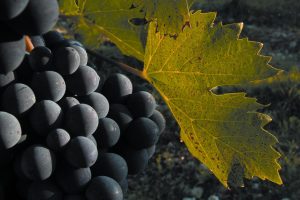
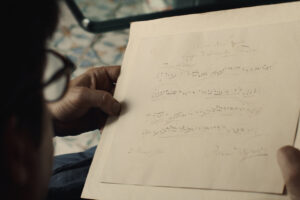
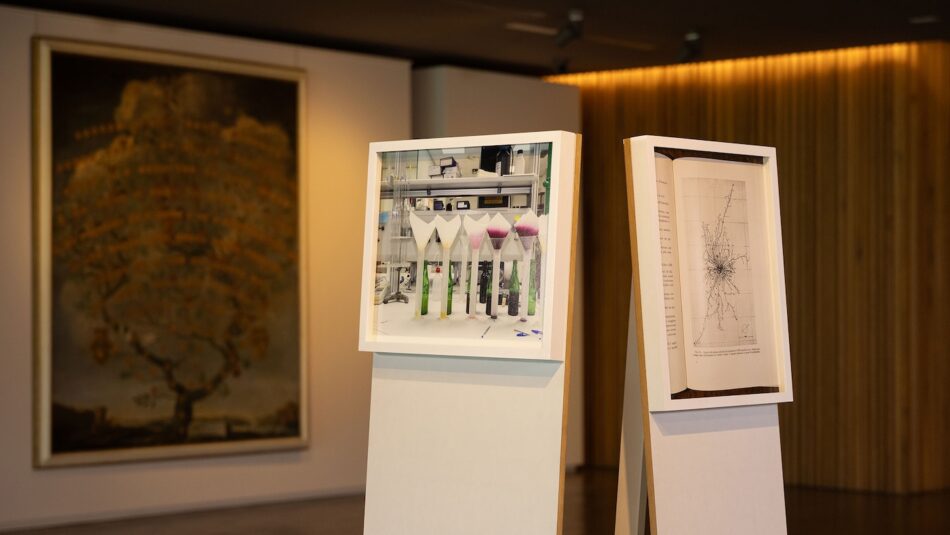
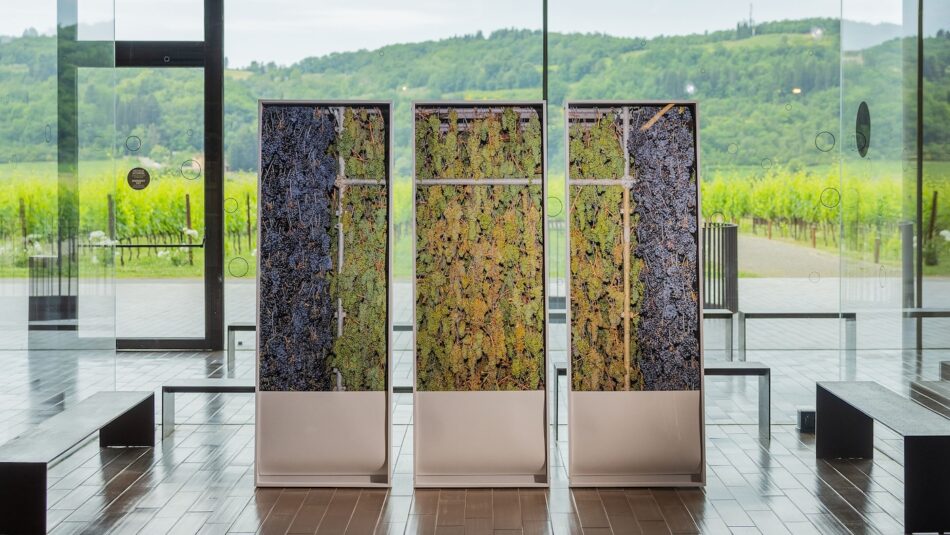
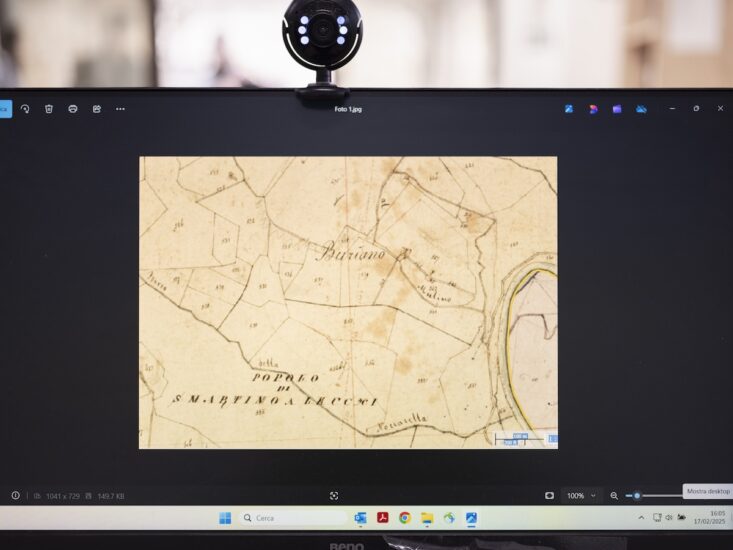
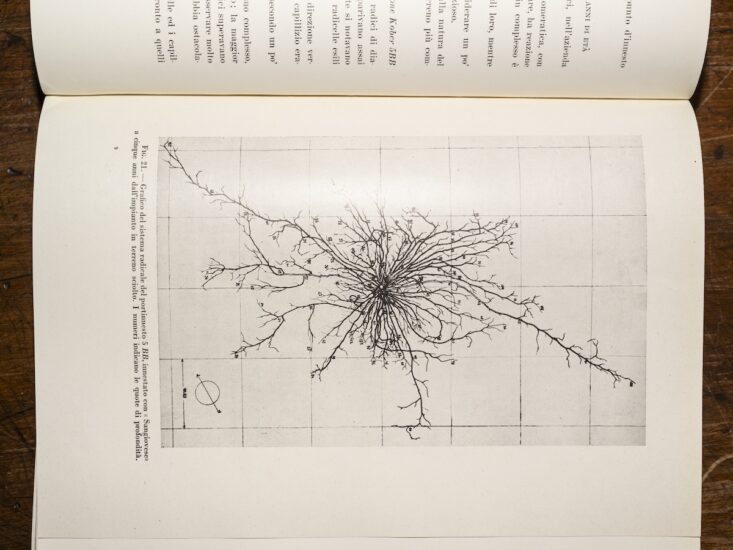
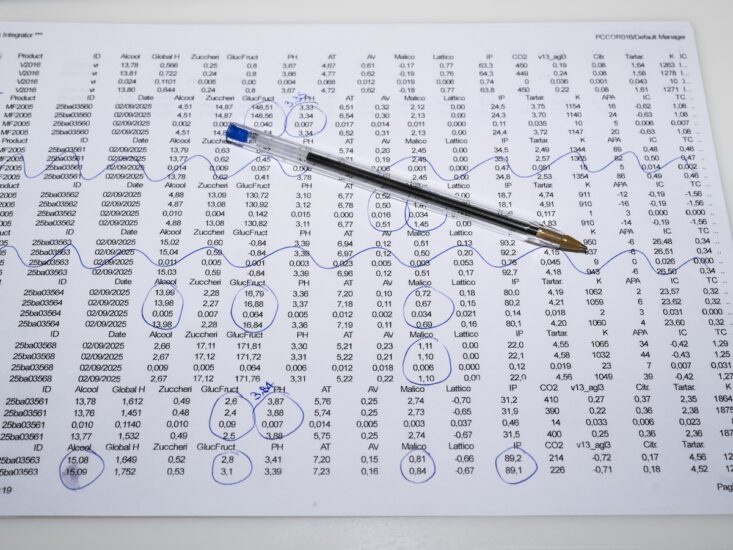
“I began to think of the vineyard not only as a place of production, but almost like a musical score, a cartographic score, a kind of antenna that records geological and climatic history - explains photographer Armin Linke - highlighting how it connects what happens underground with atmospheric forces”. The resulting photographic series reflects this layered system. Linke approaches plants and processes closely, abandoning panoramic views to focus on details that reveal the invisible organization of the vineyard, as if the plants themselves were observing those who work there. The images thus take on the form of maps, diagrams, and annotated systems, where data, gestures, and procedures intertwine. Historical maps and satellite images coexist with photographs of laboratories, where different batches of wine are analyzed in their qualitative parameters, and with traditional practices such as the preparation of Vin Santo, in which grape clusters take on an almost sculptural dimension. A central aspect of the project concerns the use of photography within agricultural processes: agronomists themselves use images to monitor plants and interpret the territory, making photography an integral part of the production system. In this sense, the work goes beyond the boundaries of traditional artistic photography, portraying the vineyard as a dynamic system in which scientific knowledge, environmental conditions, and human skills constantly interact. The images don’t simply describe the landscape but reveal its invisible structure, proposing a vision of viticulture as a form of cultural and ecological intelligence. In a context dominated by an aesthetic of immediacy, the project introduces a slower and more conscious way of seeing, one that privileges understanding over immediate visual impact. These photographs are not conventionally “beautiful”, but rather works that demand attention, conveying the complexity behind wine production and inviting viewers to suspend first impressions and question what they observe.
Copyright © 2000/2026
Contatti: info@winenews.it
Seguici anche su Twitter: @WineNewsIt
Seguici anche su Facebook: @winenewsit
Questo articolo è tratto dall'archivio di WineNews - Tutti i diritti riservati - Copyright © 2000/2026