


Monday 26th of October 2026 - Last Update: 15:22







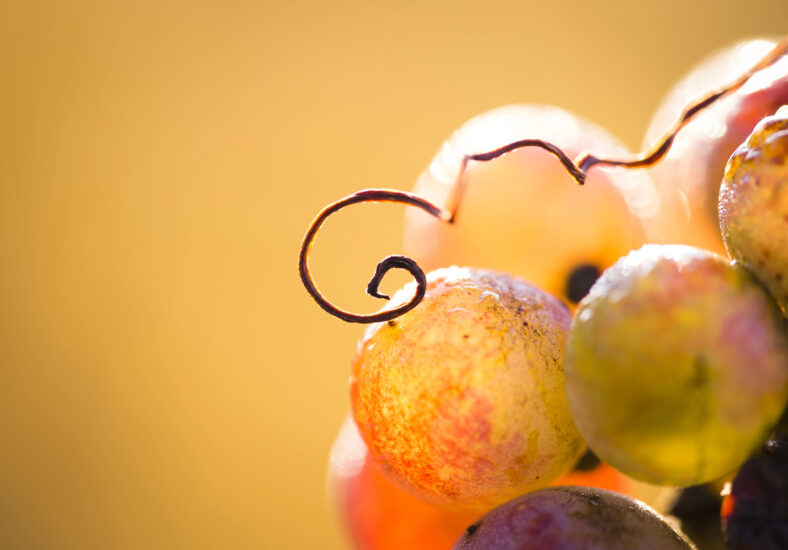
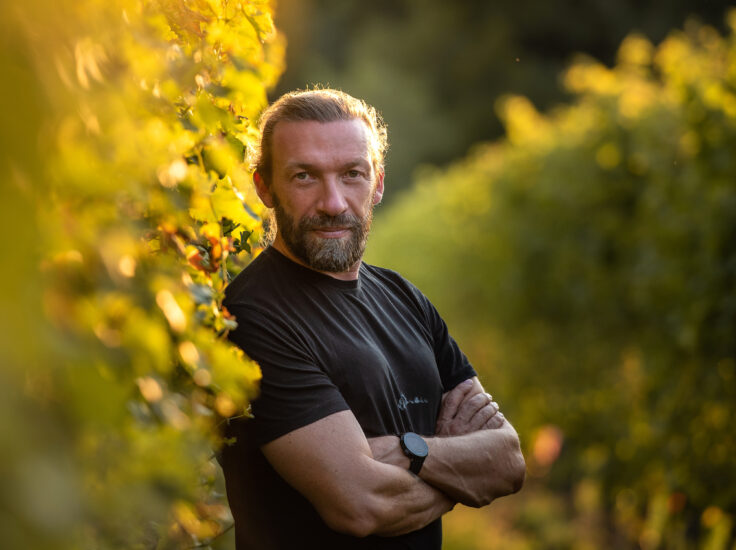

While we await the expected rains, which everyone hopes, will bring some relief but without causing damage from severe thunderstorms, hailstorms, and so on, the intense heat that has gripped Europe and Italy and has been making headlines for days has also been the focus of attention in the vineyards. And while there’s no need to speak of an emergency yet, while we hope the weather will be milder in the coming days, as Professor Leonardo Valenti, professor of Viticulture at the University of Milan and one of Italy’s leading experts, recently explained to WineNews, Giovanni Bigot, agronomist and creator of the “Bigot Index” which monitors the health of vineyards using various parameters, also says “don’t panic”, even if some problems are starting to appear. The heat problem is also being felt in the vineyards, which are unable to cope with the high evotranspiration demand that high temperatures generate. In general, with these climatic conditions - high temperatures and, in some cases, strong winds - many soils have lost almost 60 millimeters of water in 10 days, a third of average water reserves. Furthermore, excluding the rains that could arrive in the next few days, some drying and sunburn of some bunches is already occurring, and that is irreversible. Let’s say that serious damage isn’t yet widespread, but it’s starting to be visible. Especially in the North, while in the South, for example in Sicily, where I just returned from, vineyard conditions are decidedly better. Part of the problem is also linked to the fact that this strong heat wave did not allow the vines much time to acclimatize, as the first part of the season had generally been cool and rainy. The sudden heat has brought about some imbalances in the plants, the effects of which are beginning to be noticed”.
This, of course, doesn’t mean the 2026 harvest is compromised. But, Bigot emphasizes, “as always in difficult times, the differences between the older vineyards and the younger ones become evident, with the former adapting and self-regulating better than the latter; the differences are evident between those who have taken better care of the vineyard, the soil, the canopy, and have used shading nets effectively, and those who have not. And this is a problem that is emerging, because in a difficult market phase, some are even cutting back on “qualitative” vineyard management, and then the effects are visible compared to those who, instead, continue to invest despite everything. Because, by now, it’s clear that there are so many factors to monitor for good vineyard management. Every year there’s some “emergency” or situation to manage, and those who do so, over the years, bring together many important elements that are then incorporated into vineyard management. In any case, at this time, “there’s relatively little to do”, emphasized Professor Leonardo Valenti, “in the sense that there’s always an active and a passive defense. Vegetation certainly shouldn’t be eliminated, so that the plant remains covered and protected by the leaves, which serve a little to mitigate the extreme temperatures we’re reaching. In my opinion, the problem is more central-northern than southern, at least from what I have seen: for example, in Basilicata last week there was nothing to report, even though it was very hot. The issue is always the same: we haven’t yet implemented the policies that could have helped, such as covering the grapes with nets or other systems, and so we are running into the problems of this year. At these temperatures, the vines tend to freeze and stop photosynthesising, so they remain dormant, waiting for better times. It depends on how long this situation lasts: even if it continues for a few more days - it seems there will be some changes in the weather these days – we’ll return to normality, and at that point there won’t be any more problems. As with all things, there’s a limit beyond which we can’t go. We haven’t reached that limit yet, however, if it continues like this - and I fervently hope not - we could have problems.
Copyright © 2000/2026
Contatti: info@winenews.it
Seguici anche su Twitter: @WineNewsIt
Seguici anche su Facebook: @winenewsit
Questo articolo è tratto dall'archivio di WineNews - Tutti i diritti riservati - Copyright © 2000/2026